Number Tracing and Counting 1 to 20 Worksheets
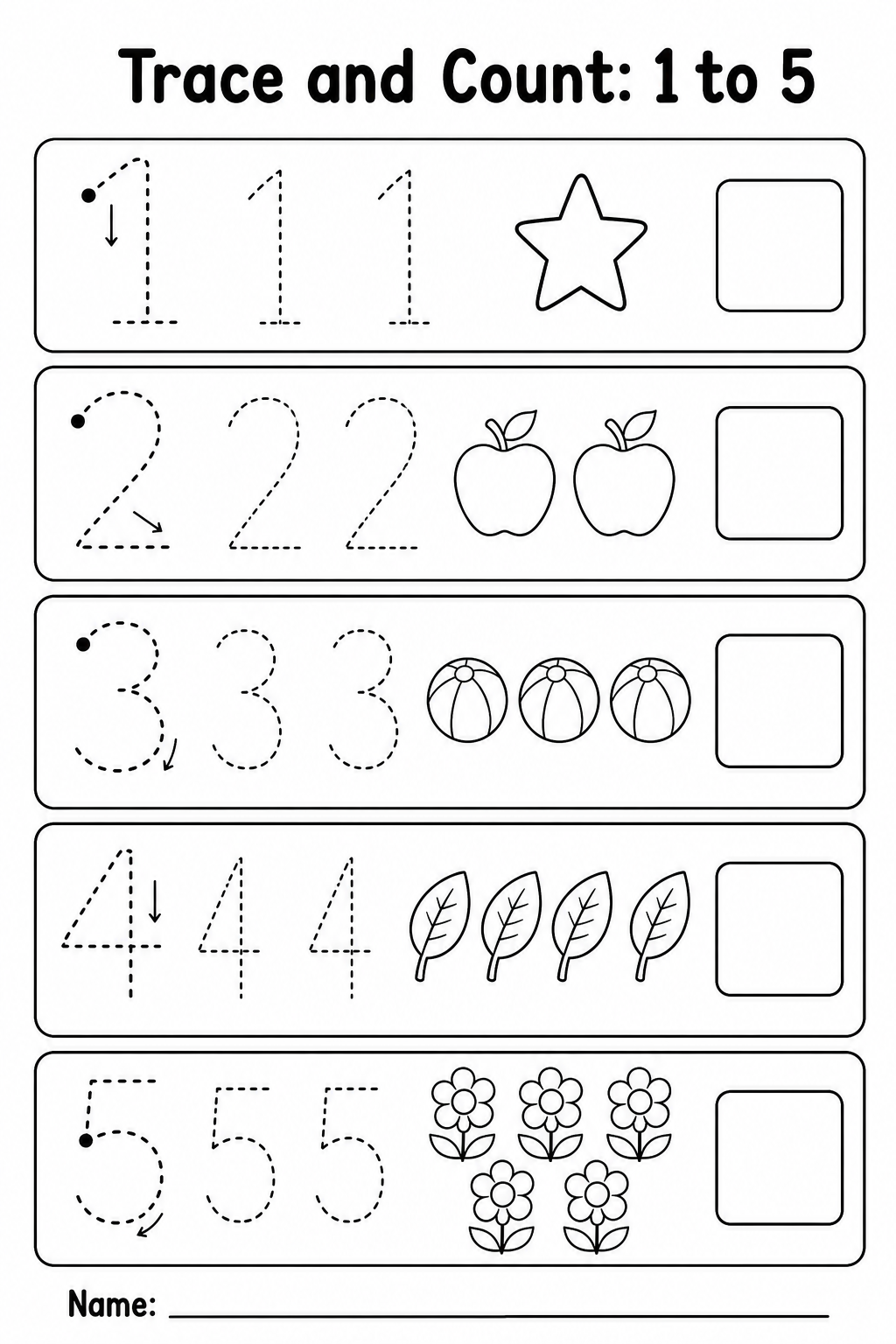
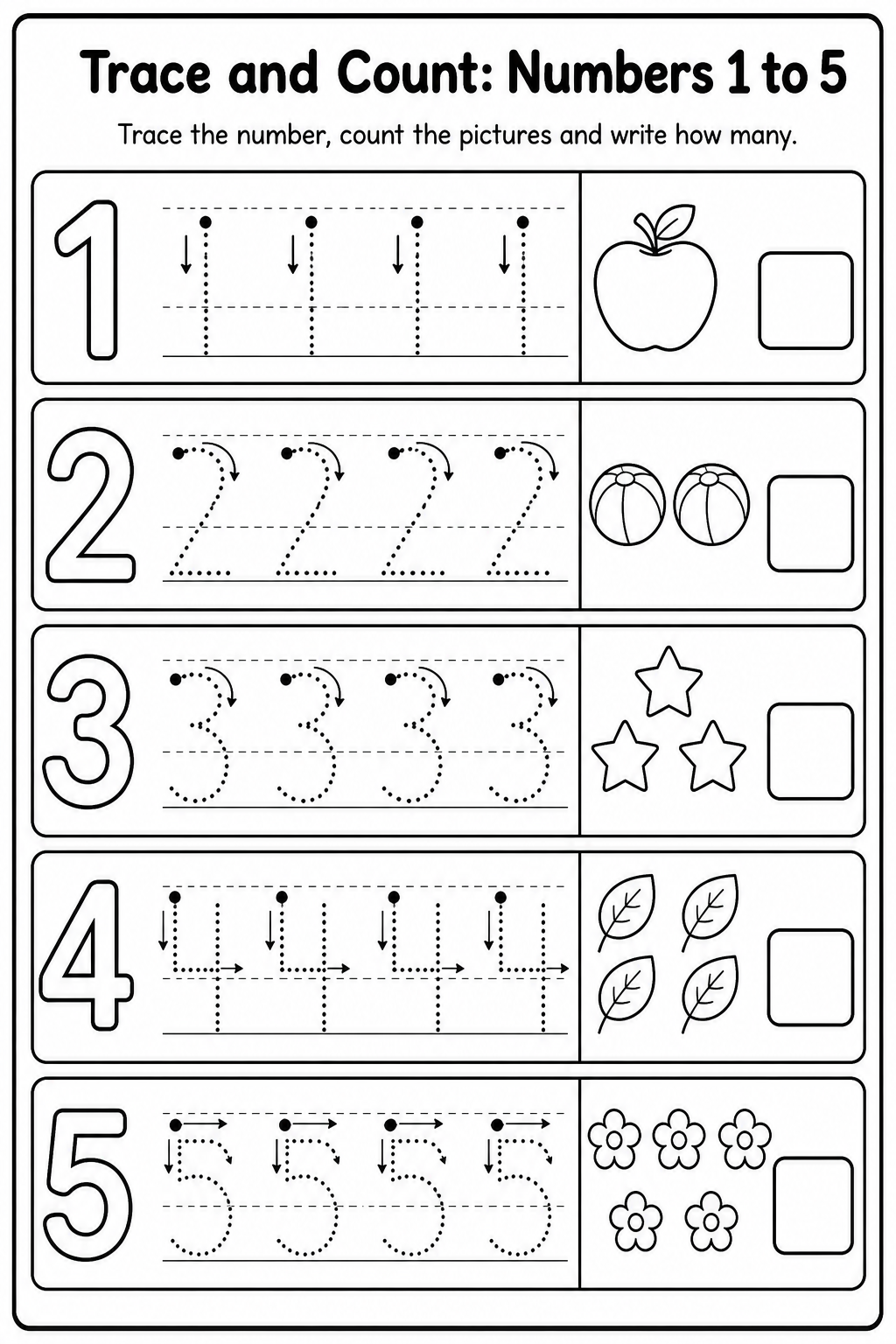
These free printable worksheets help young children learn the numbers 1 to 20 step by step. On every page, kids trace big dotted numbers, count simple pictures like stars, apples and balls, and then write the number on their own.
The pages move slowly from 1 to 5, then 6 to 10, 11 to 15 and 16 to 20, so beginners never feel rushed. Lines are large and well spaced, which suits little hands that are still learning pencil control. Print the set at home or in class and use one page a day.
How to play
- Download the worksheet pages and print them on A4 paper. One page a day works well for preschool children.
- Ask your child to trace each dotted number slowly, starting from the dot and following the arrow direction.
- Count the pictures in each row aloud together, touching one picture at a time, then write the matching number in the empty box.
- Check the answers together and colour the pictures for extra fun and fine motor practice.
While tracing and counting, your child builds three important early maths skills at once. First, number formation: following the dotted path trains pencil grip, hand control and correct stroke order, which later makes writing neater. Second, counting with one-to-one correspondence: touching each picture as they say a number stops the common habit of counting too fast. Third, number recognition: seeing the numeral, the word shape and the group of objects together helps children connect the symbol 7 with seven real things. Regular short practice of five to ten minutes gives better results than one long session, and praise for effort keeps children confident.
Frequently asked questions
What age are these number tracing worksheets best for?
Are these printable worksheets really free?
Should my child use a pencil or crayon?
How can I make counting practice more fun at home?
In what order should I print the pages?
More printable worksheets
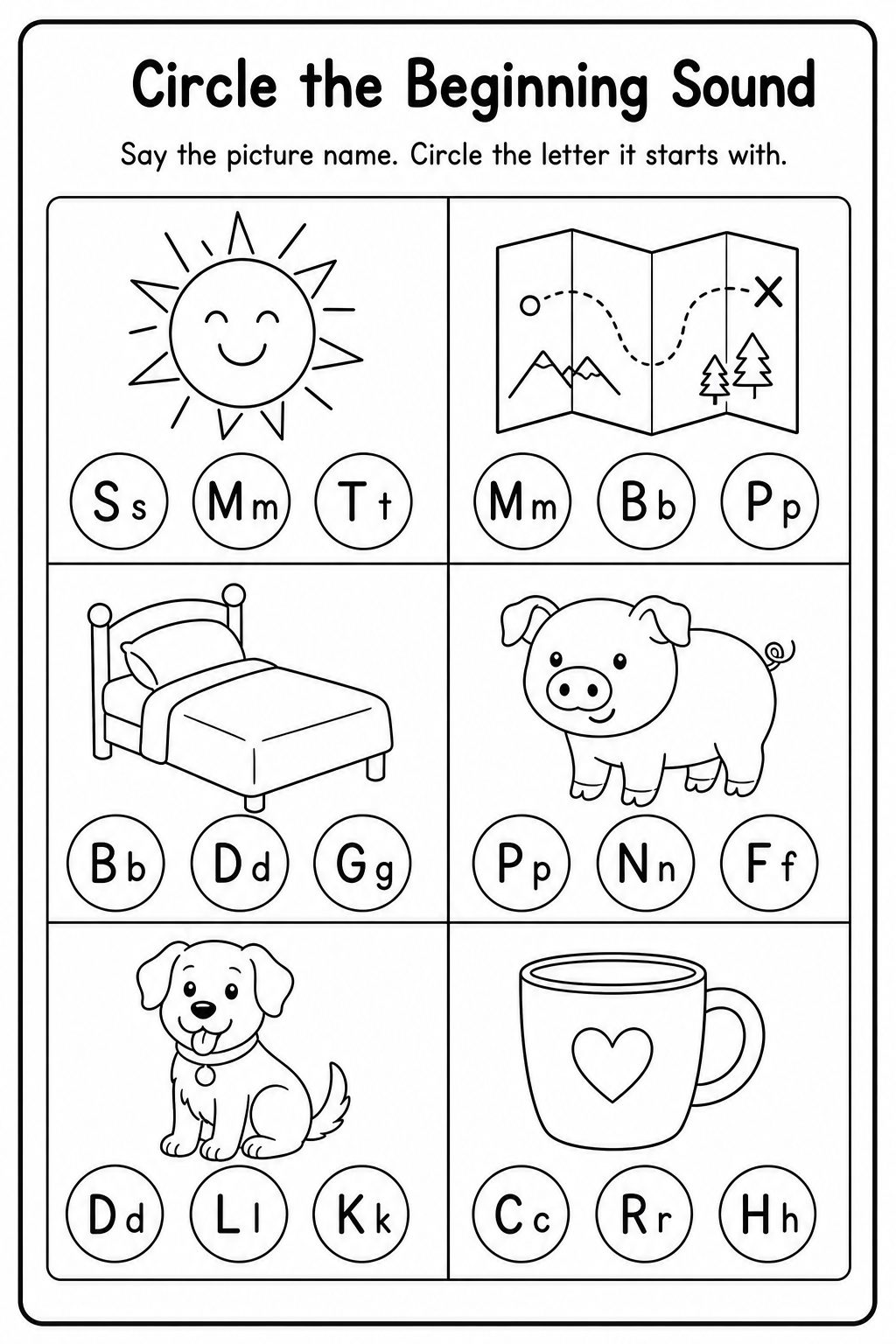 ⭐
Phonics Worksheets for Kids: CVC and Sight Words📄 Printable Worksheets · Age 5-6
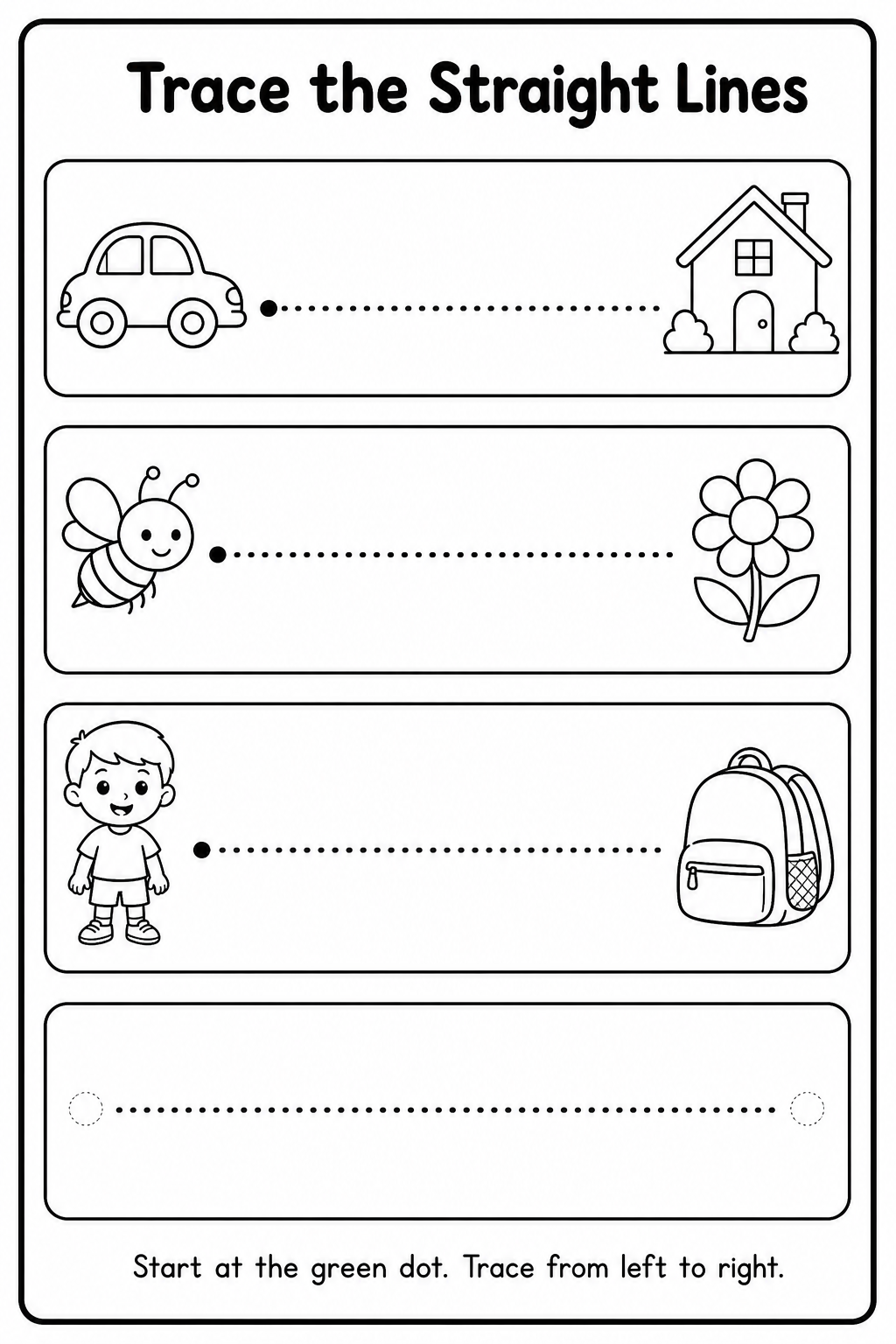 ⭐
Pencil Control Worksheets for Kids: Lines and Curves📄 Printable Worksheets · Age 3-4
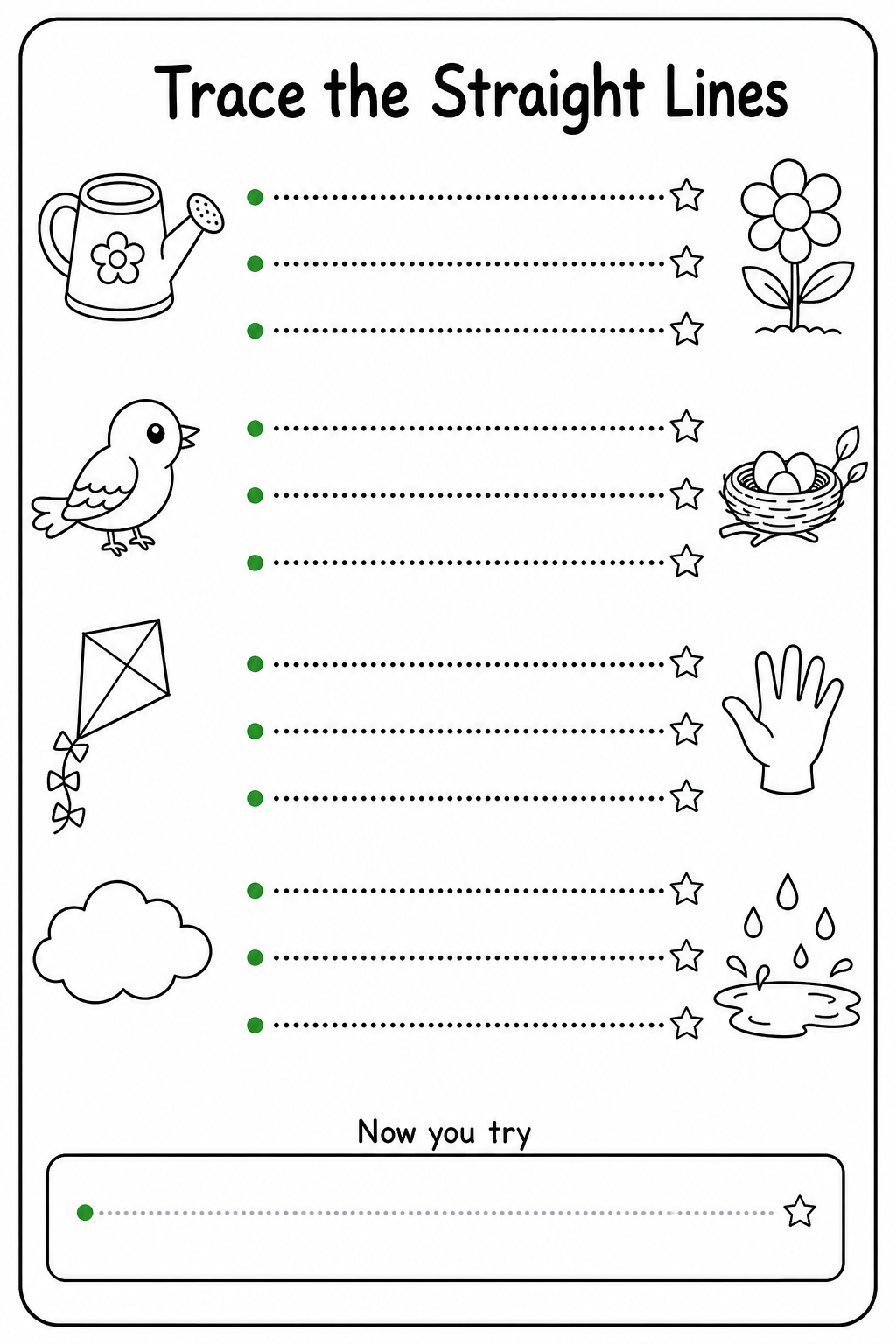 ⭐
Pencil Control Worksheets for Kids: Lines and Curves📄 Printable Worksheets · Age 3-4
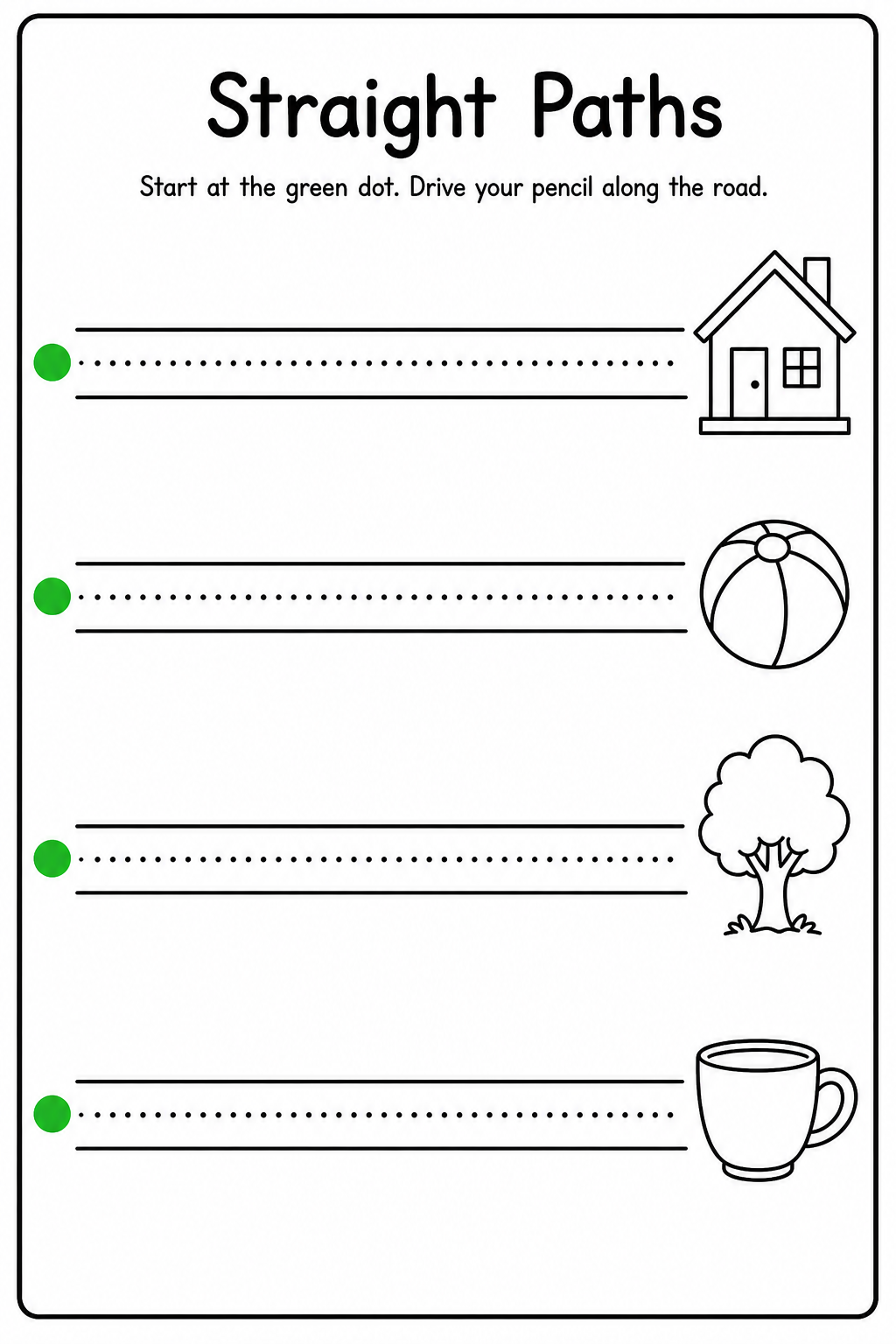 ⭐
Pencil Control Worksheets for Kids: Paths and Curves📄 Printable Worksheets · Age 3-4
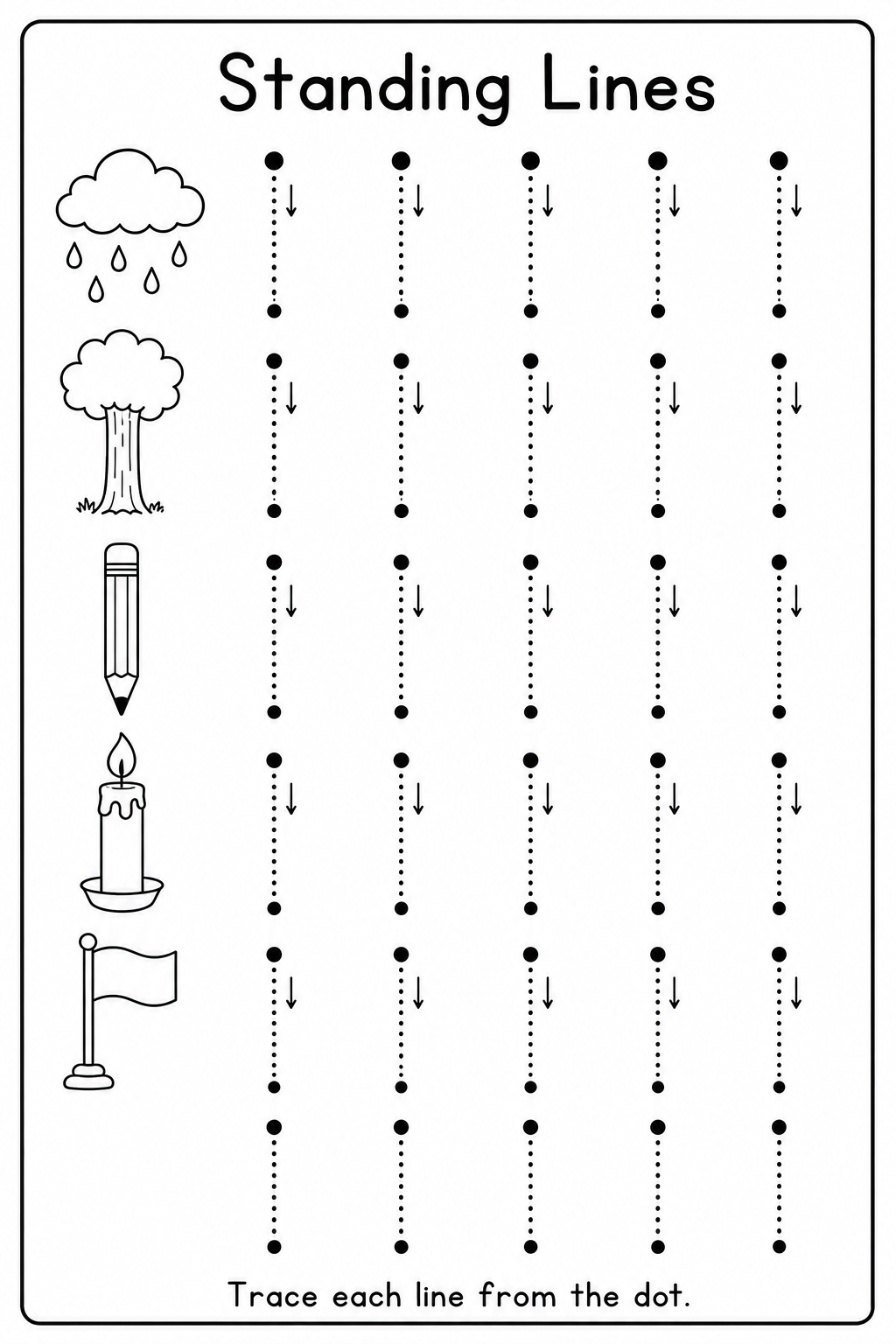 ⭐
Pre-Writing Lines Worksheets for Kids: Trace and Draw📄 Printable Worksheets · Age 3-4
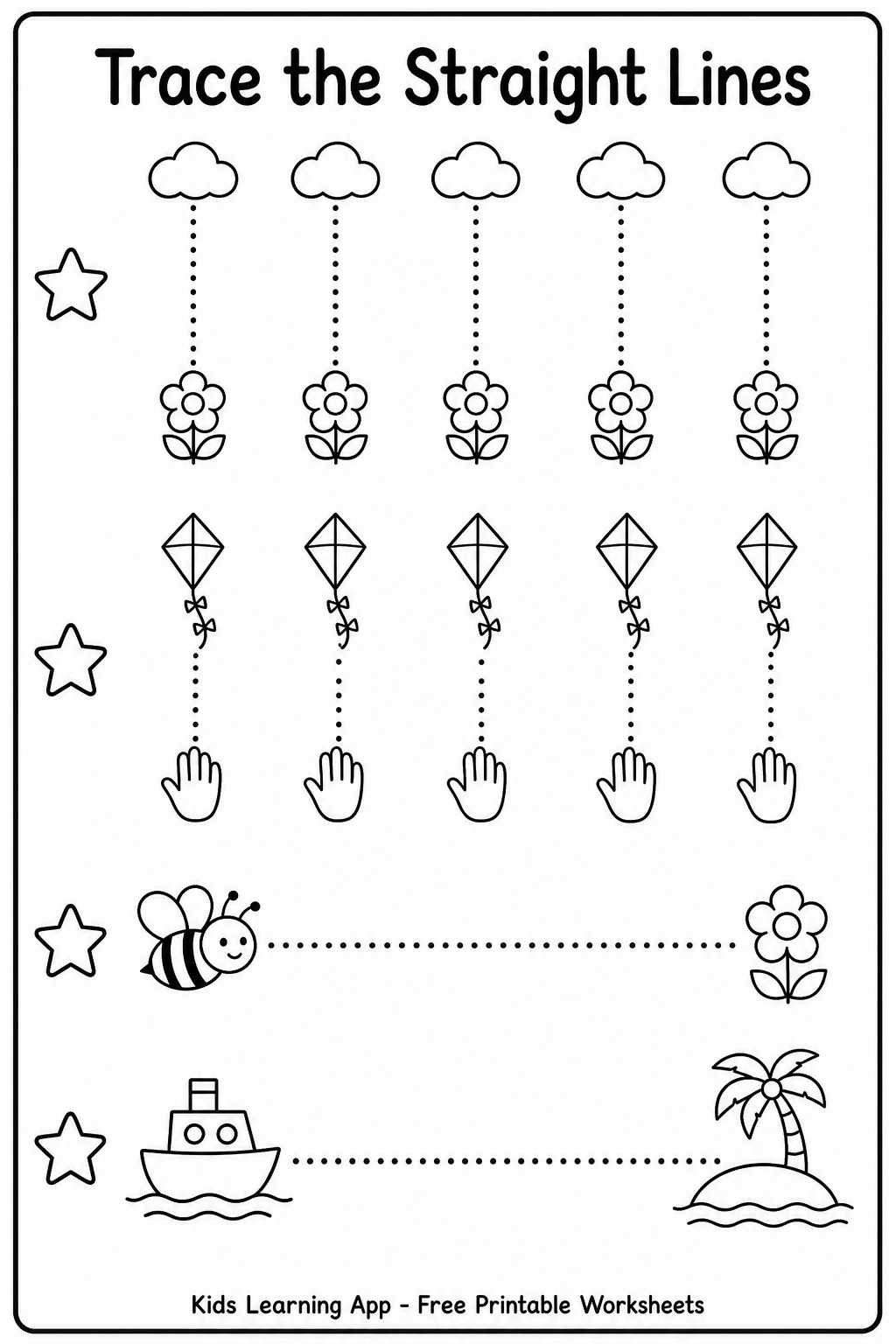 ⭐
Pre-Writing Lines Worksheets for Kids: Trace and Draw📄 Printable Worksheets · Age 3-4
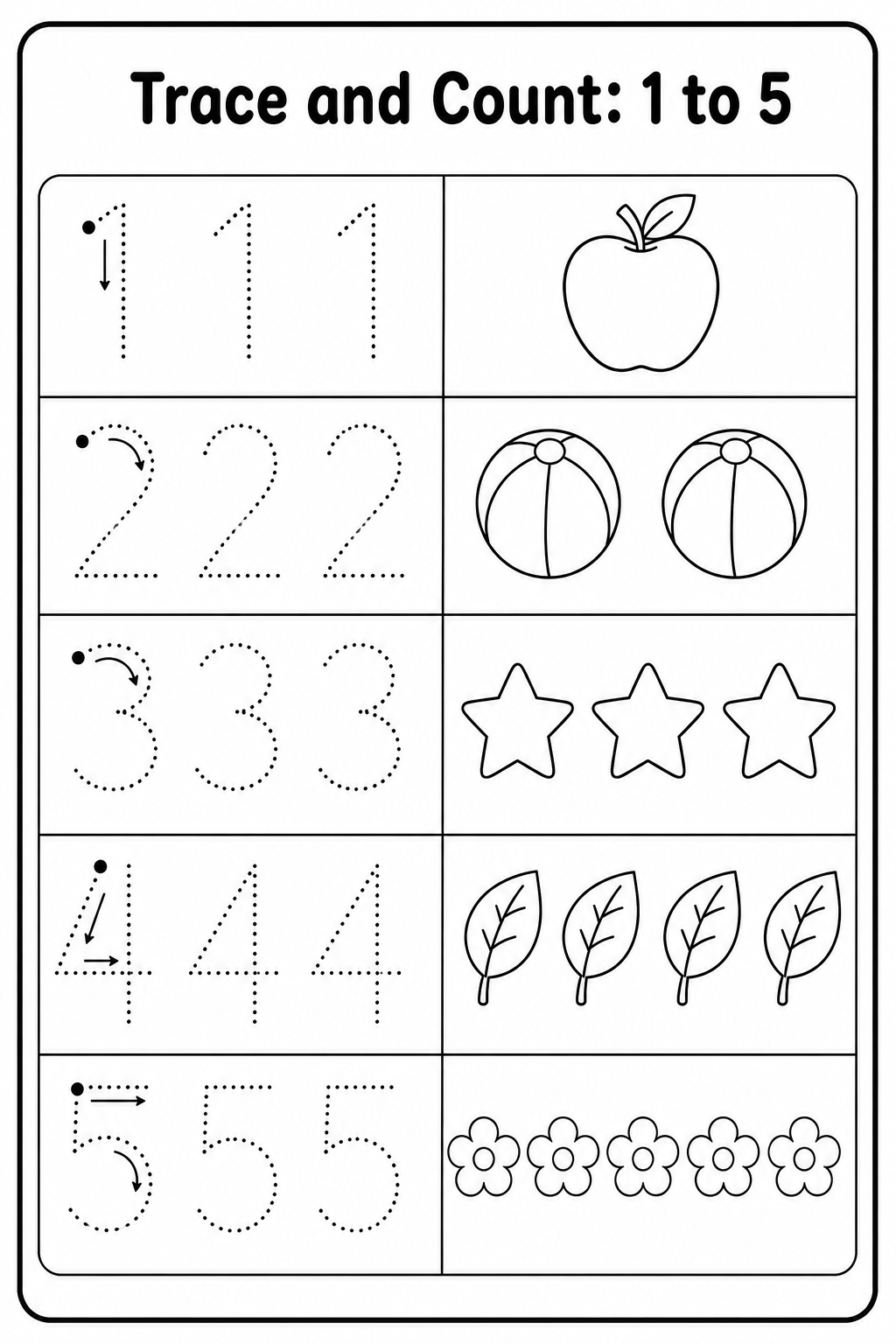 ⭐
Count and Trace Numbers 1-20 Worksheets for Kids📄 Printable Worksheets · Age 4-5
 ⭐
Numbers 1 to 20 Worksheets for Kids: Trace and Count📄 Printable Worksheets · Age 4-5
More Numbers activities
Updated 17 Nov 2026