🧒 Body Parts for Kids - Tap, Listen and Learn Free Activities
Body parts for kids becomes easy and fun when children can tap a picture and hear the word spoken out loud. On this page you will find six free activities covering the face, hands, fingers, feet and the whole body, plus a playful head, shoulders, knees and toes game. Every activity works on a phone, tablet or computer, and each one can also be printed as a worksheet for quiet table time, classroom circles or revision at home.
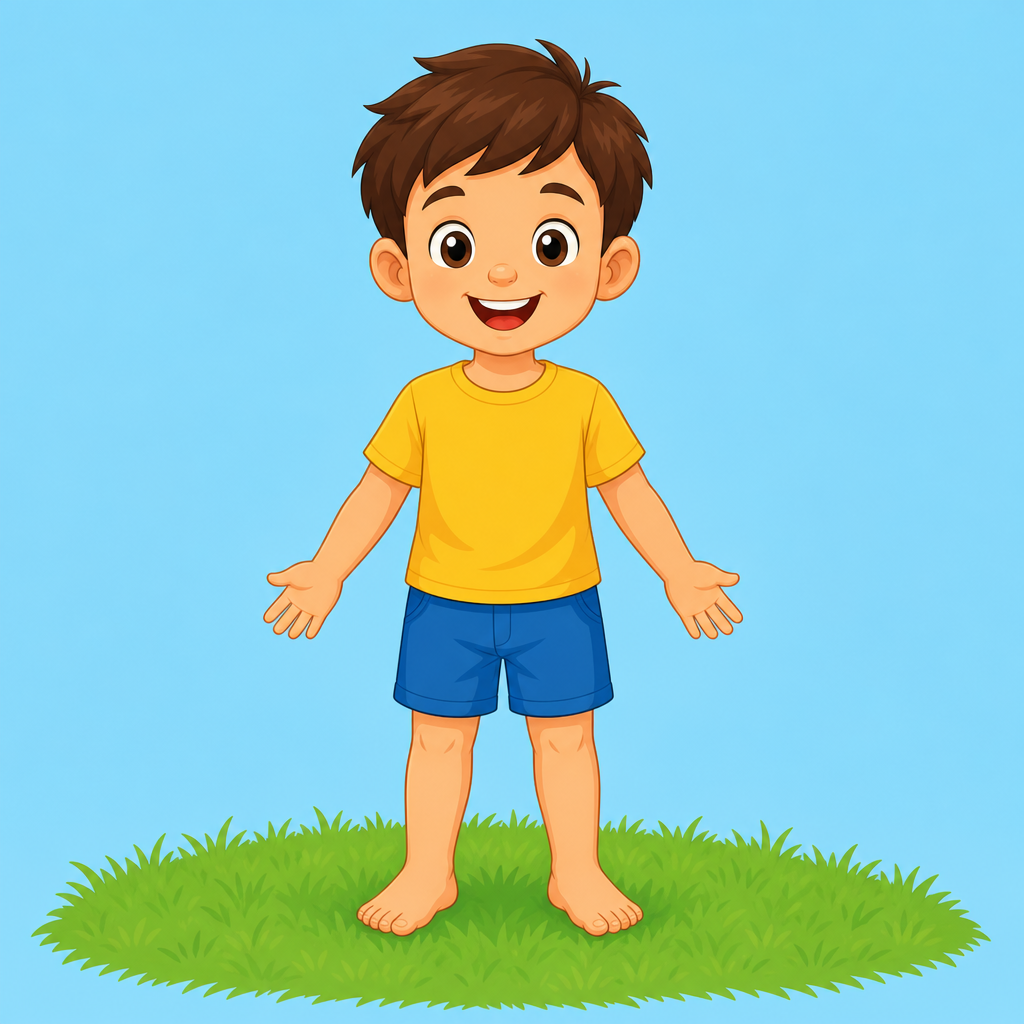 ⭐
Head Shoulders Knees and Toes Activity for Kids🧒 Body Parts · Age 3-4
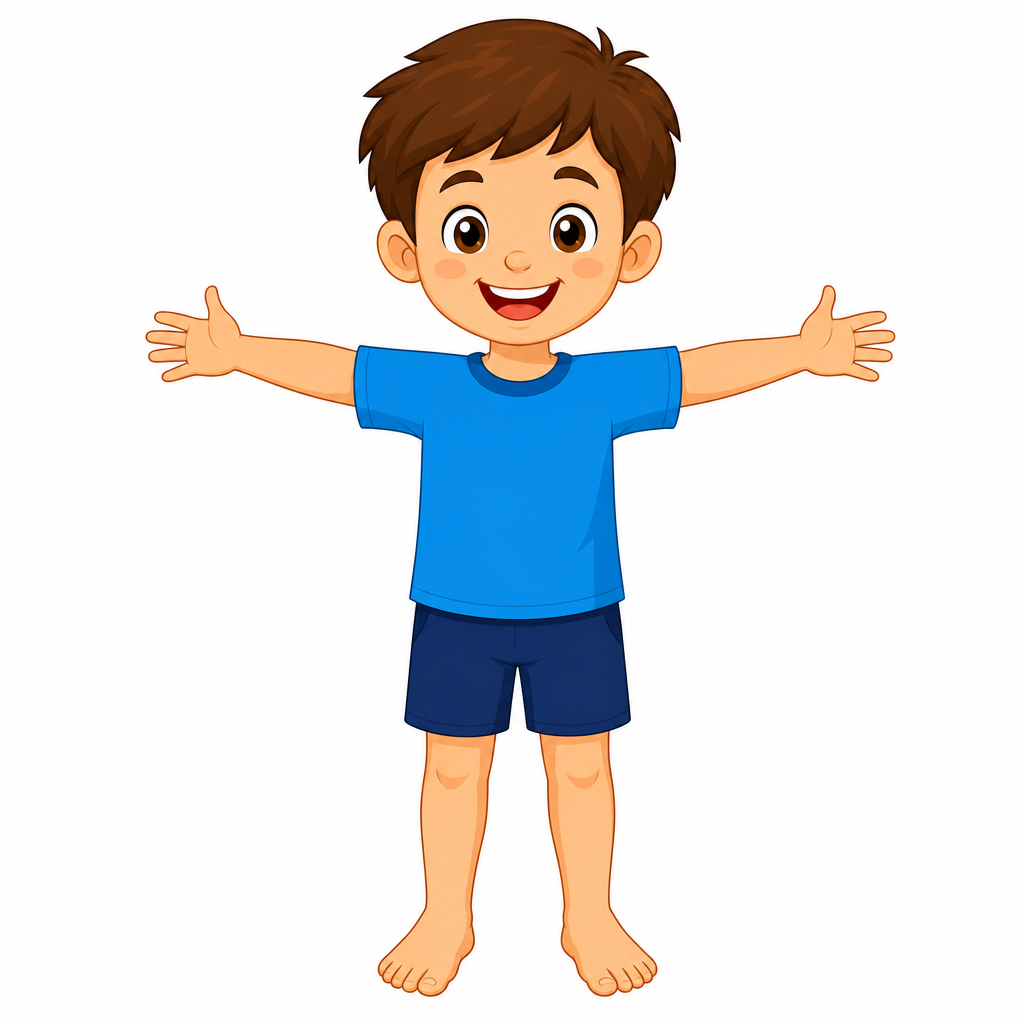 ⭐
Hands and Feet Tap and Learn Activity for Kids🧒 Body Parts · Age 3-4
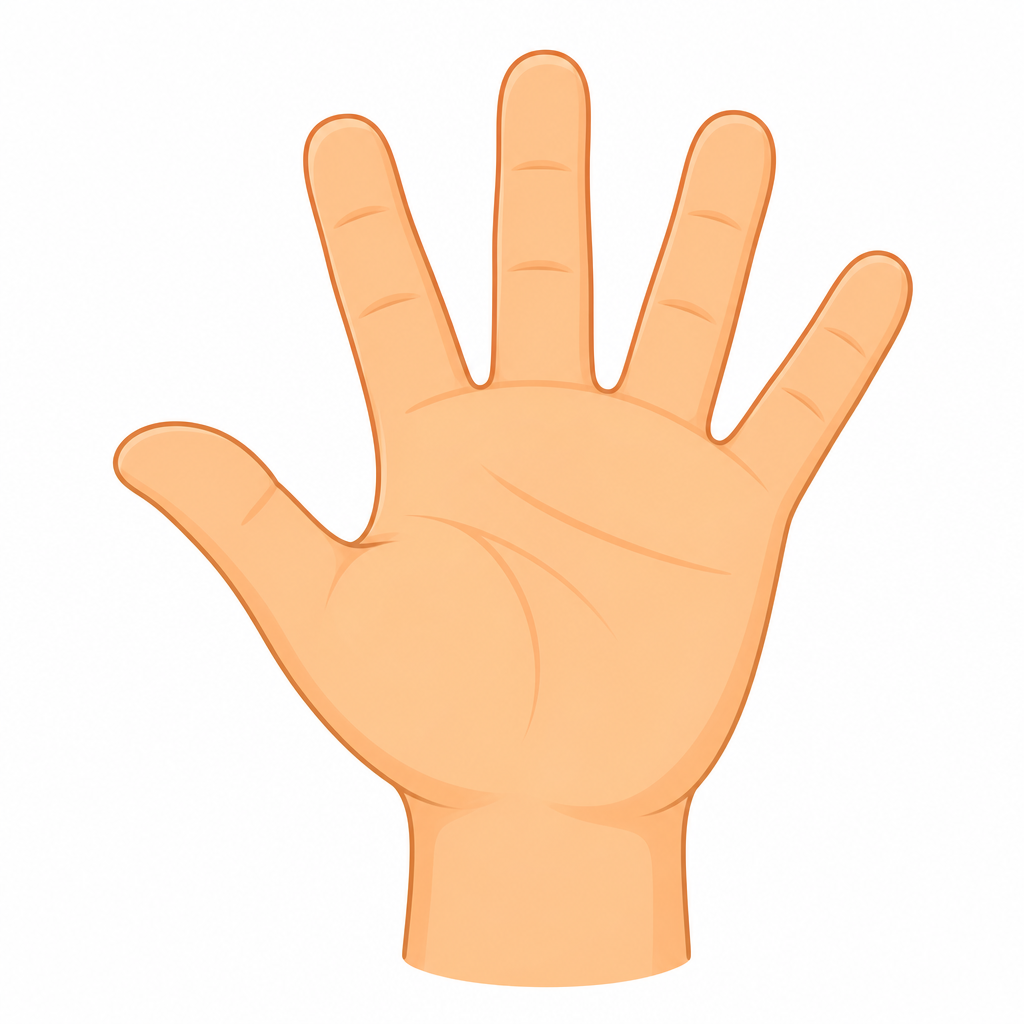 ⭐
Hands and Fingers Tap and Listen Activity for Kids🧒 Body Parts · Age 3-4
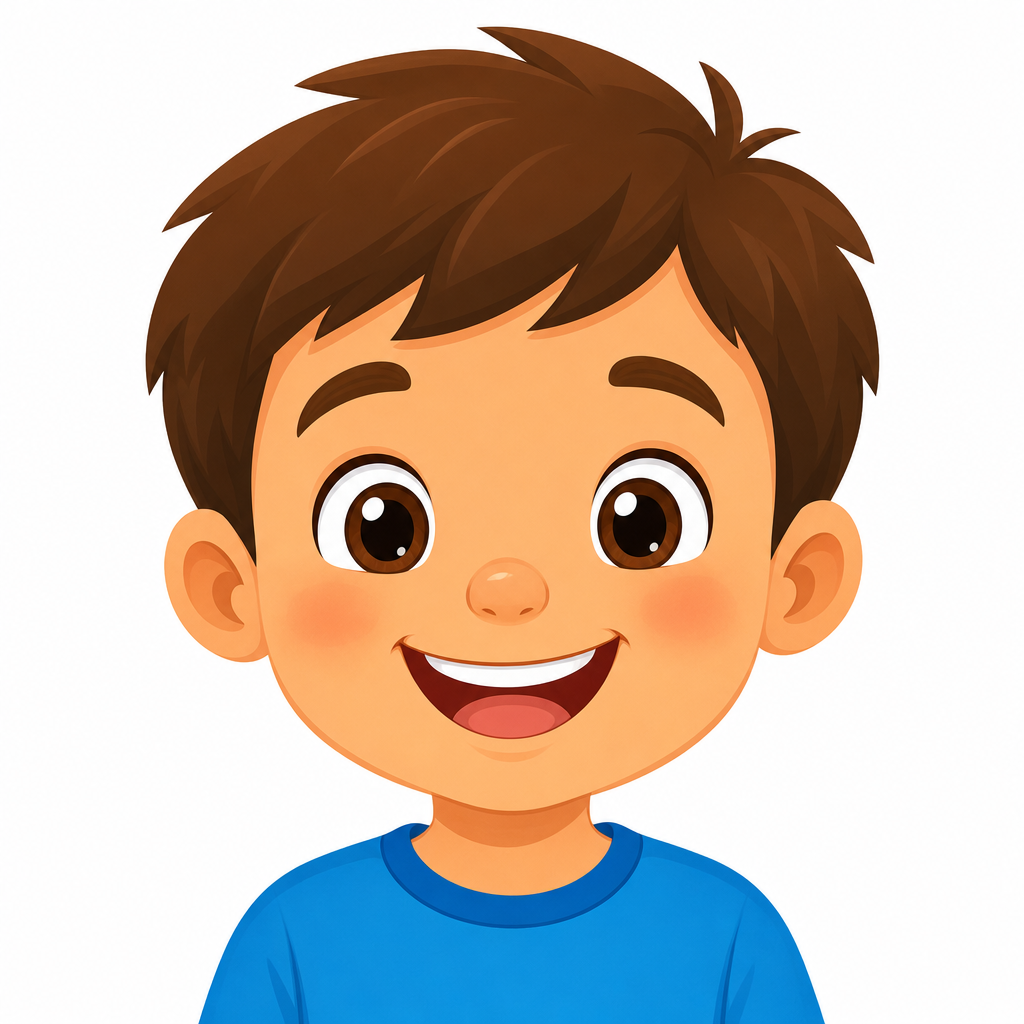 ⭐
Face Parts Tap and Learn Activity for Kids🧒 Body Parts · Age 3-4
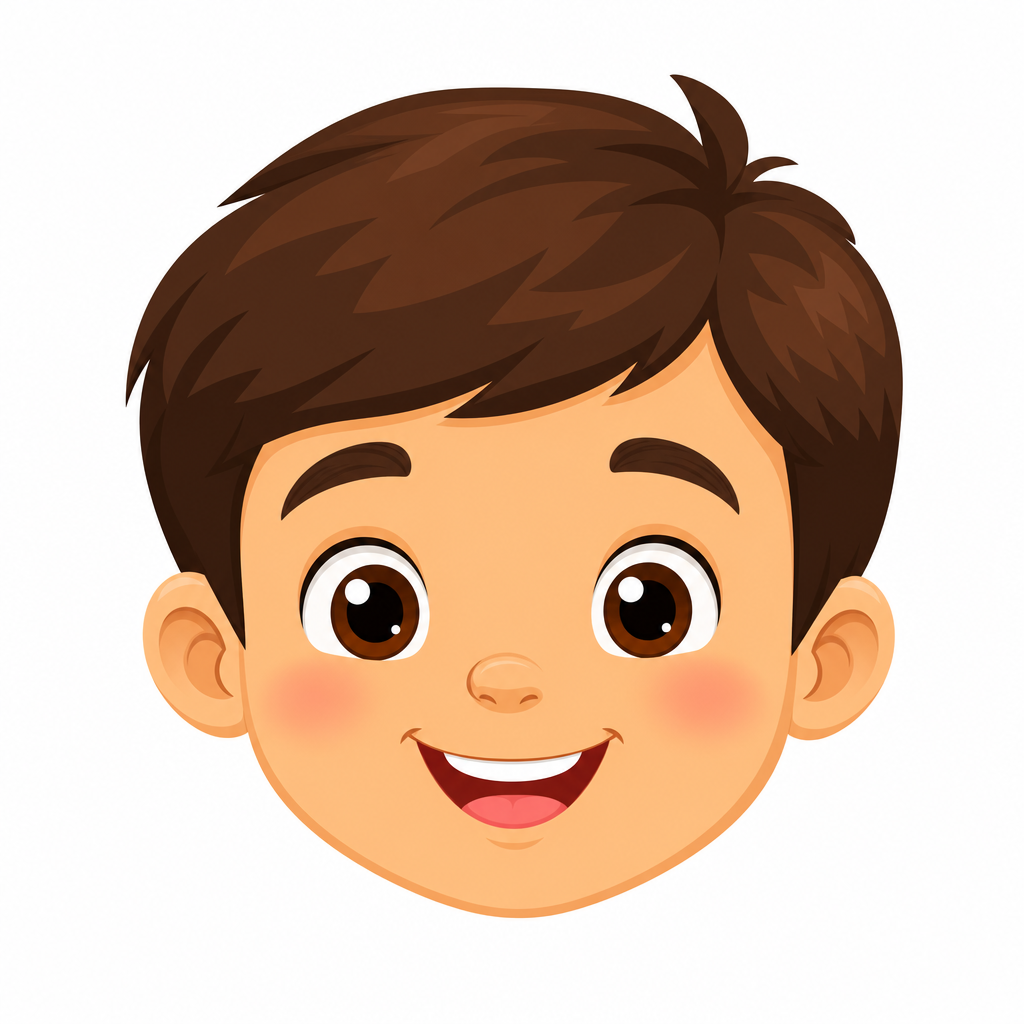 ⭐
Face Parts Tap and Listen Activity for Kids🧒 Body Parts · Age 2-3
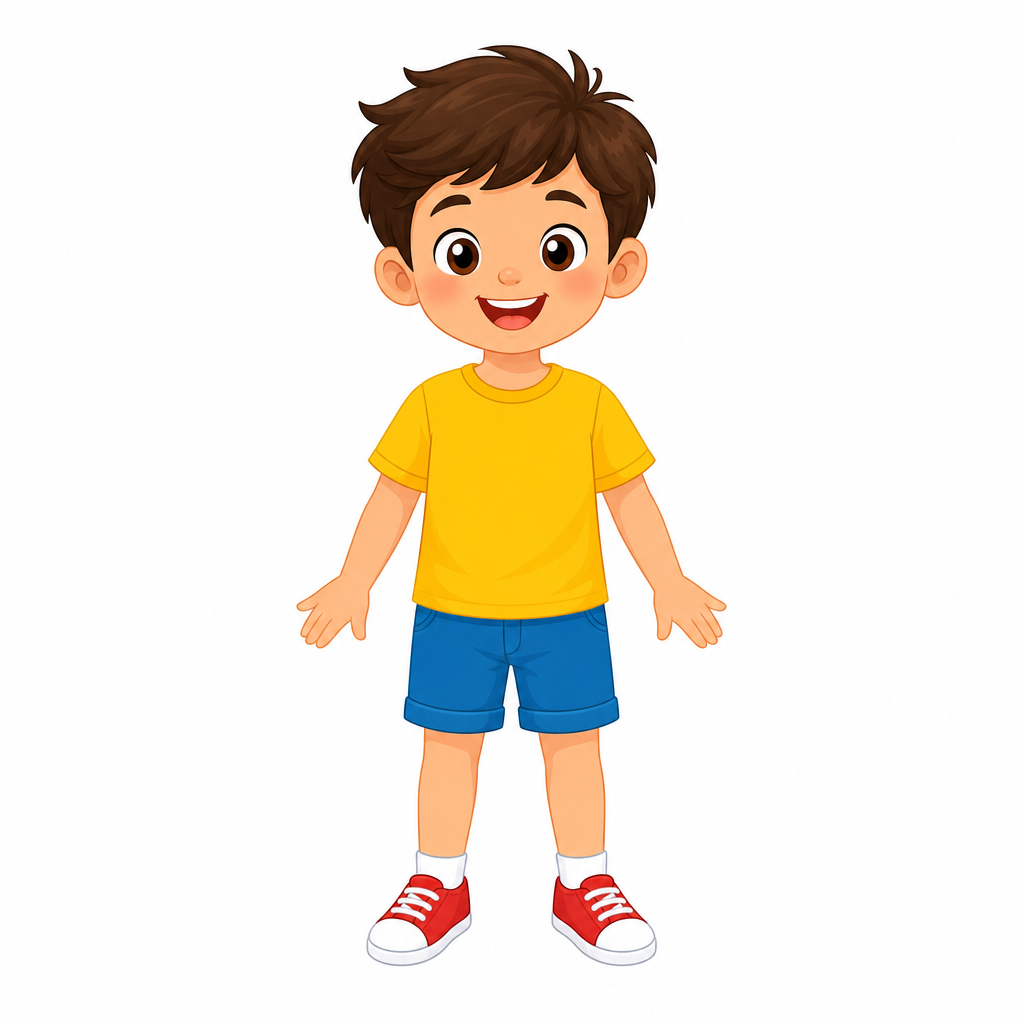 ⭐
Body Parts Tap and Listen Activity for Kids🧒 Body Parts · Age 3-4
What these body parts activities are
Each activity on this page shows a clear, friendly picture of a child or a part of the body. When your little one taps the nose, the ear or the thumb, the name is spoken aloud. The child sees the picture, hears the word and repeats it, so listening, looking and speaking happen together. This simple loop is one of the most natural ways young children pick up new vocabulary.
The six activities move from small details to the whole body:
- Face Parts Tap and Listen - eyes, ears, nose, mouth, cheeks, hair and chin.
- Hands and Fingers Tap and Listen - palm, thumb and each finger.
- Body Parts Tap and Listen - head, shoulders, arms, tummy, legs and feet.
- Face Parts Tap and Learn - a gentle practice round after the first activity.
- Hands and Feet Tap and Learn - hands, feet, toes and heels together.
- Head Shoulders Knees and Toes - an action activity children can sing and move along with.
Skills children learn
Naming body parts is one of the first big vocabulary wins for toddlers and preschoolers, and it supports much more than words.
- Listening and speaking - children hear clear pronunciation and copy it.
- Early vocabulary - 25 to 30 everyday words that come up at bath time, meal time and the doctor's clinic.
- Body awareness - knowing where parts of the body are helps with dressing, washing and simple self care.
- Following instructions - "touch your knees" or "point to your elbow" builds listening comprehension.
- Gross motor movement - the head, shoulders, knees and toes activity gets children bending, stretching and reaching.
- Confidence in communication - a child who can say "my ear hurts" or "my hand is dirty" is better understood.
How to play online and how to print
To play online, open any activity and let your child tap directly on the screen. Turn the sound on and keep the volume comfortable. There is no score, no timer and nothing to win or lose, so children can explore at their own pace and repeat a word as many times as they like.
To use the printable version, choose the print option on the activity page and print on plain A4 paper. Printed sheets work well for labelling, colouring and matching, and a single page can be used again and again inside a clear folder. Teachers often print one set for the class wall and one set per child for individual work. Everything here is free, with no sign up needed.
Ideas by age
Ages 2-3: Start with the face. Sit beside your child, tap one part together and say the word, then touch the same part on your own face. Three or four words in a session is plenty. Praise every attempt, even if the word is not clear yet.
Ages 4-5: Try the hands and feet activity, then play "Simon says" style games away from the screen. Print the worksheet and ask your child to colour the body part you name. Many children at this age enjoy pairing this with colors and objects for extra naming practice.
Ages 6-8: Older children can write the words themselves, label a printed outline from memory and learn a few extra terms such as elbow, wrist, ankle and eyebrow. Turn it into a quiz by covering a label and asking them to recall it, or move on to a quick round of picture quiz questions.
Tips for parents and teachers
- Keep sessions short - five to ten minutes holds attention better than a long sitting.
- Say the word in your home language too, so children build a bridge between languages.
- Link learning to daily routines: name body parts while washing hands or combing hair.
- Use a doll or teddy for children who feel shy pointing at themselves.
- In class, let children work in pairs and take turns giving instructions.
- Finish with a song or a story so the lesson ends on a happy note - our rhymes and stories page is a good place to go next.
Where to go after this page
Once your child can name the main body parts, keep the listening practice going with more picture and sound activities. Animal names, everyday objects and simple naming quizzes all use the same tap-and-hear idea, so children already know what to do. Mixing two or three short activities in one sitting keeps learning varied and enjoyable for both home and classroom use.