🏷️ Label the Diagram for Kids: Free Printable Worksheets
Label the diagram for kids is a simple way to turn science pictures into hands-on learning. Children drag or write the correct name on each part of a plant, a fish or the solar system, and learn new words while they look closely at the picture. Every activity here can be played online on a phone, tablet or computer, or printed as a free worksheet for classroom and home practice. Pick a diagram below and let your child start labelling today.
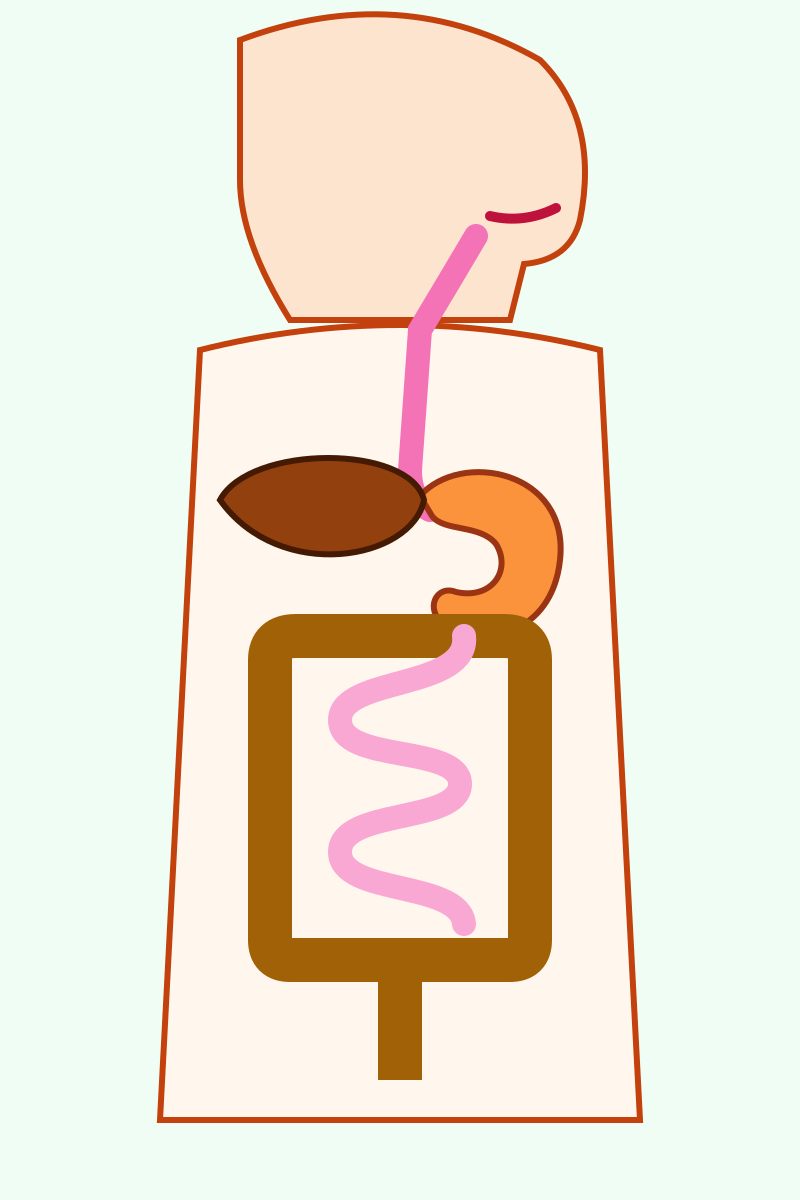 ⭐
The Digestive System🏷️ Label the Diagram · Age 10-12
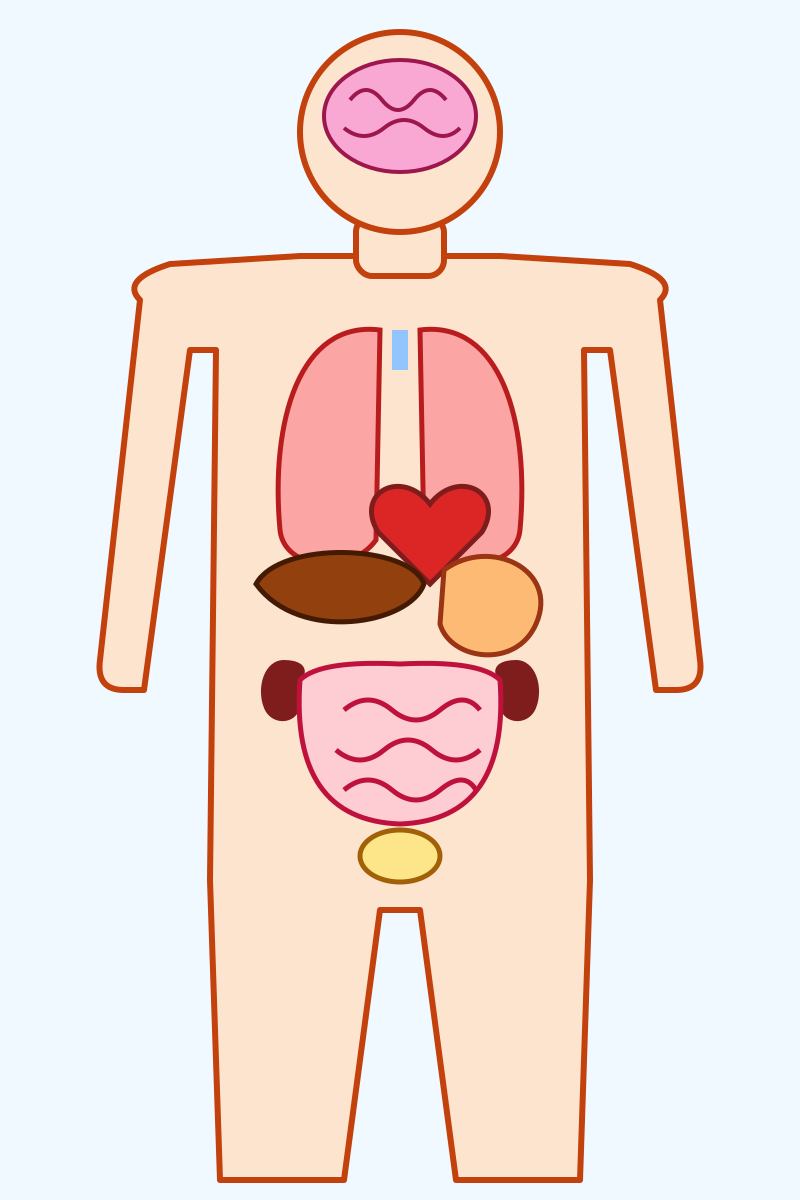 ⭐
Organs of the Human Body🏷️ Label the Diagram · Age 8-10
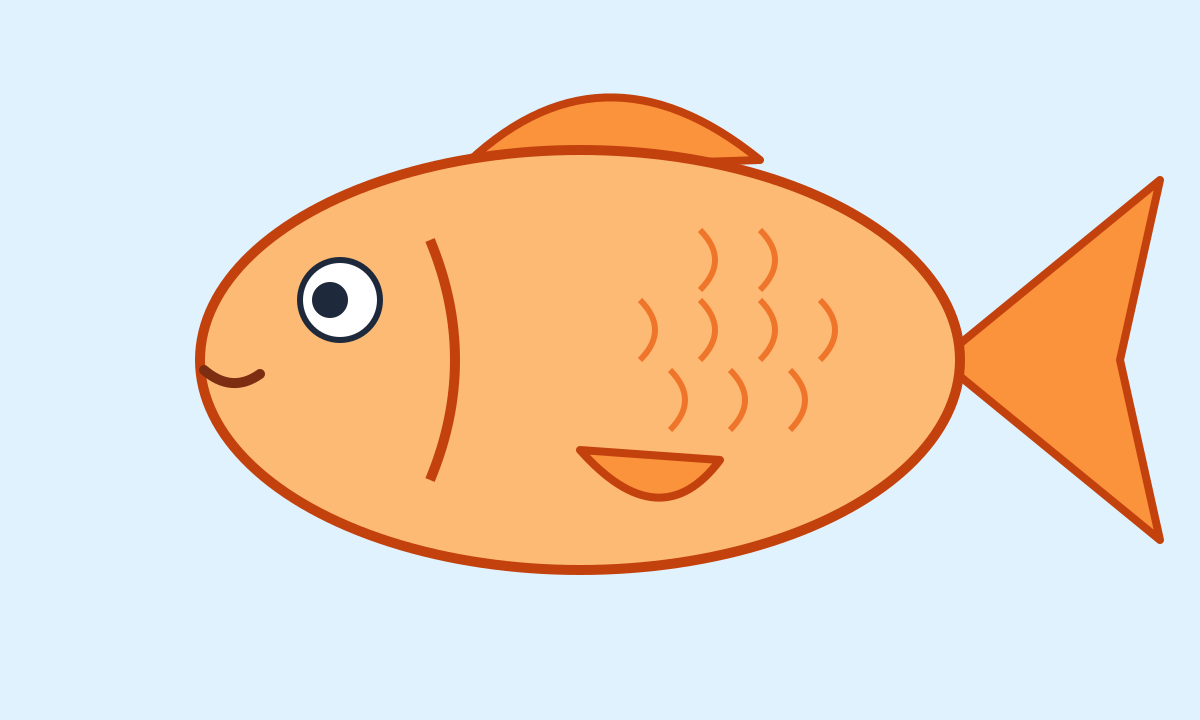 ⭐
Parts of a Fish🏷️ Label the Diagram · Age 5-6
 ⭐
The Solar System🏷️ Label the Diagram · Age 8-10
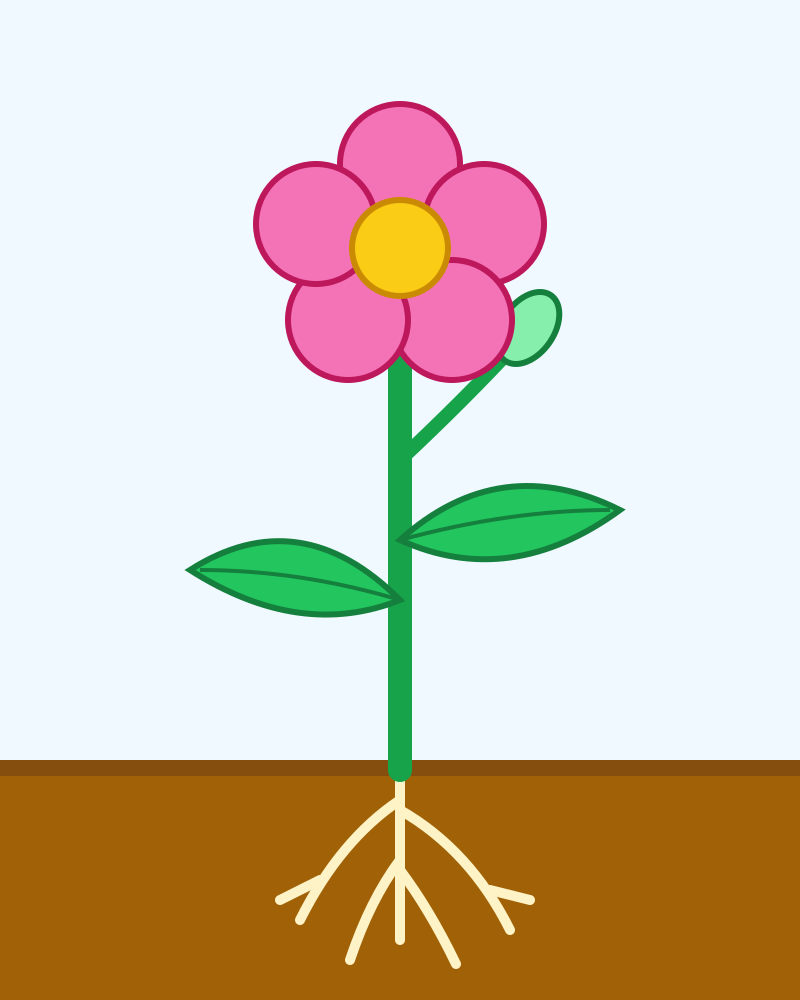 ⭐
Parts of a Plant🏷️ Label the Diagram · Age 6-8
What are label the diagram activities?
Label the diagram activities show a clear, friendly picture of something children already know about, such as a growing plant, a swimming fish or the planets moving around the Sun. Around the picture are the names of its parts. The child's job is to put each name in the right place. Online, children tap or drag the label onto the correct spot and see straight away whether it fits. On paper, they write or match the words with a pencil.
This page has three free diagrams to start with: Parts of a Plant, The Solar System and Parts of a Fish. Each one uses simple vocabulary, big labels and bright, uncluttered drawings so that even young learners can take part with a little help.
Skills your child builds
Labelling looks easy, but it quietly builds several important skills at once:
- Science vocabulary: words like roots, stem, leaf, petal, fin, gill, orbit and planet become familiar and easy to use.
- Careful observation: children must look closely at the picture before deciding where a label belongs.
- Reading with meaning: each word is linked to a real part of a real thing, so reading makes sense.
- Spelling and writing: printed worksheets give handwriting practice with useful subject words.
- Memory and recall: repeating a diagram a few days later helps children remember what they learnt.
- Confidence in exams: many school science papers ask pupils to label pictures, so this is friendly, low-pressure practice.
How to play online and how to print
Choose any activity from the list above. It opens in your browser, so there is nothing to download or install. Children can play on a phone, tablet, laptop or classroom smart board. Labels can be dragged or tapped into place, and a gentle check tells them when the diagram is complete.
To use the same activity on paper, look for the print option on the activity page and print it as a worksheet. Printed sheets are handy for homework, revision folders, holiday practice or group work when screen time is limited. Print a set of each diagram for a whole class, or keep a few blank copies to use again as quick revision later in the year.
Ideas by age
Ages 2-3: sit with your child and name each part aloud while you point to it. Let them place one or two labels with your help and treat the rest as a picture-talk. Pair the fish diagram with animals and their sounds for a playful nature session.
Ages 4-5: children can now match the shape of a word to the picture even before they read fluently. Do one diagram at a time and repeat it twice in the week. The picture dictionary for kids is a good warm-up because it links words and images in the same way.
Ages 6-8: ask children to complete the diagram on their own, then write one sentence about each part, for example "The roots take in water from the soil." Follow up with our body parts activities to label a human diagram too.
Tips for parents and teachers
- Talk before you label. Spend a minute discussing the picture so children bring their own knowledge to the task.
- Use real objects. Show a real leaf, a flower from the garden or a photo of the night sky alongside the diagram.
- Let mistakes happen. A wrongly placed label is a good talking point, not a failure.
- Mix screen and paper. Play online first for instant feedback, then print the worksheet to check what has stuck.
- Build a folder. Keep finished sheets together so children can see their own progress over a term.
- Make it a quiz. Cover the labels and ask your child to name the parts from memory.
Why these worksheets are free
Every activity on Kids Learning App is free to play and free to print, with no account needed. Parents can use them for ten quiet minutes after school, and teachers can print a class set for a science lesson, a revision day or a substitute period. Once your child has finished these diagrams, keep the learning going with a quick picture quiz on the same topics.