🖍️ Coloring Pages for Kids - Free Online and Printable
Coloring pages for kids are a simple, happy way to practise colours, focus and hand control. Tap a shape to fill it with colour, use the brush for free colouring, or print the page and colour on paper with crayons. This collection has friendly pictures that little ones love - a butterfly, a rainbow, an elephant, a fish, a flower and a car. Every page works on phones, tablets and computers, and every page can be printed as a free worksheet for home or school.
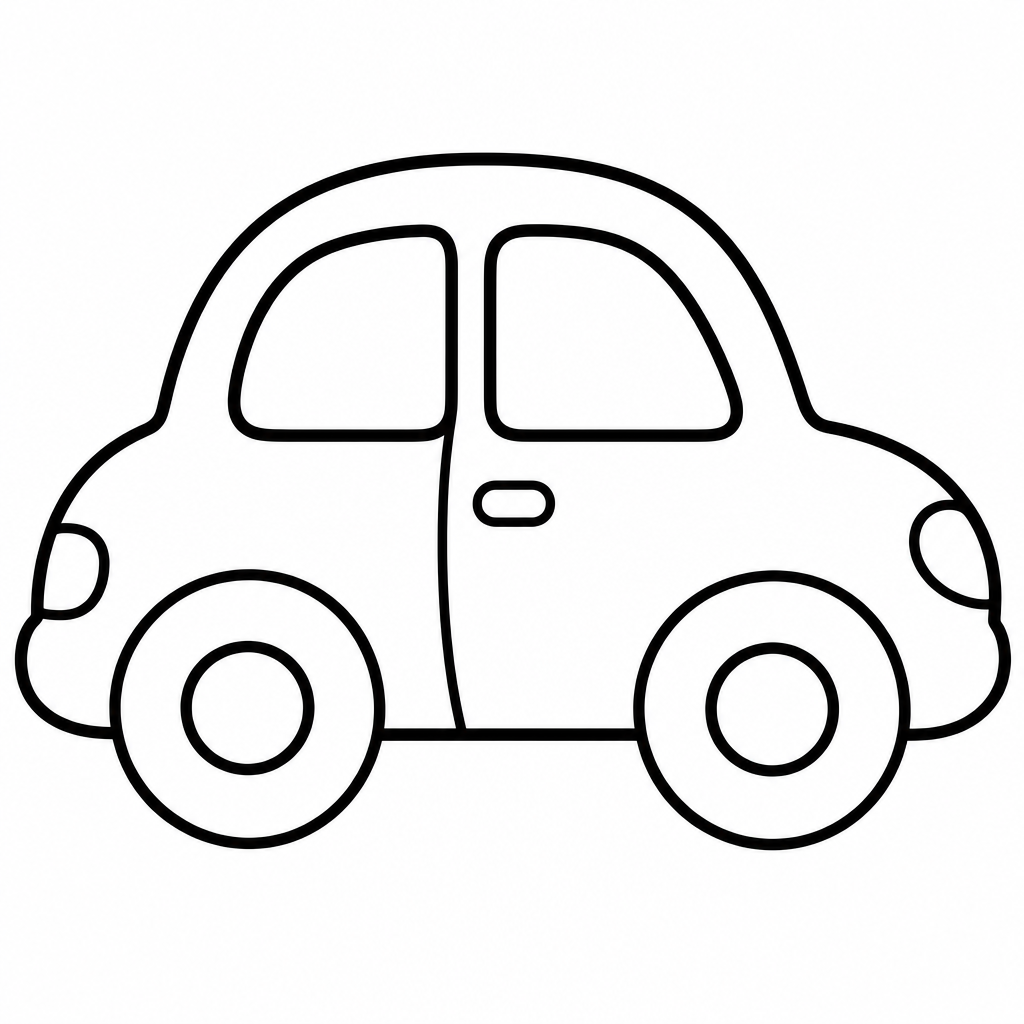 ⭐
Car Coloring Page for Kids🖍️ Coloring Pages · Age 3-4
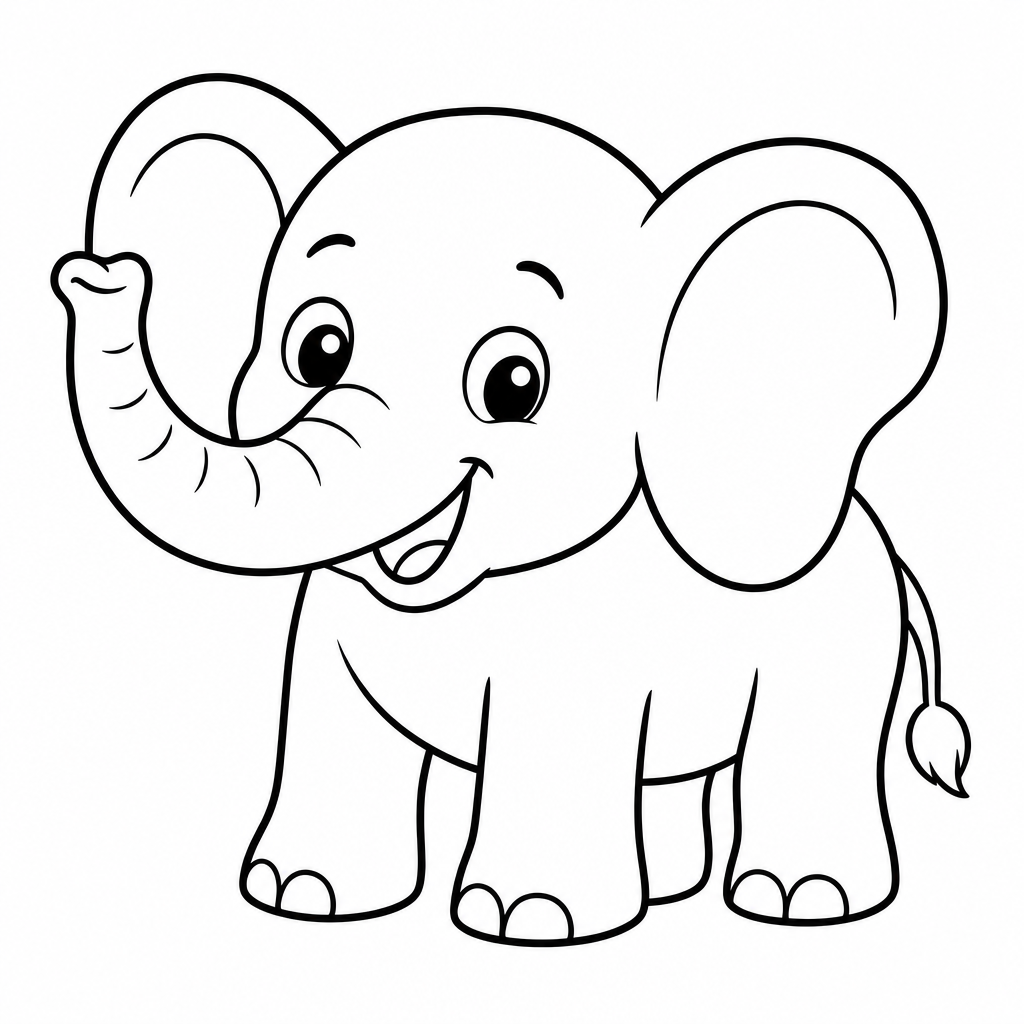 ⭐
Elephant Coloring Page for Kids🖍️ Coloring Pages · Age 3-4
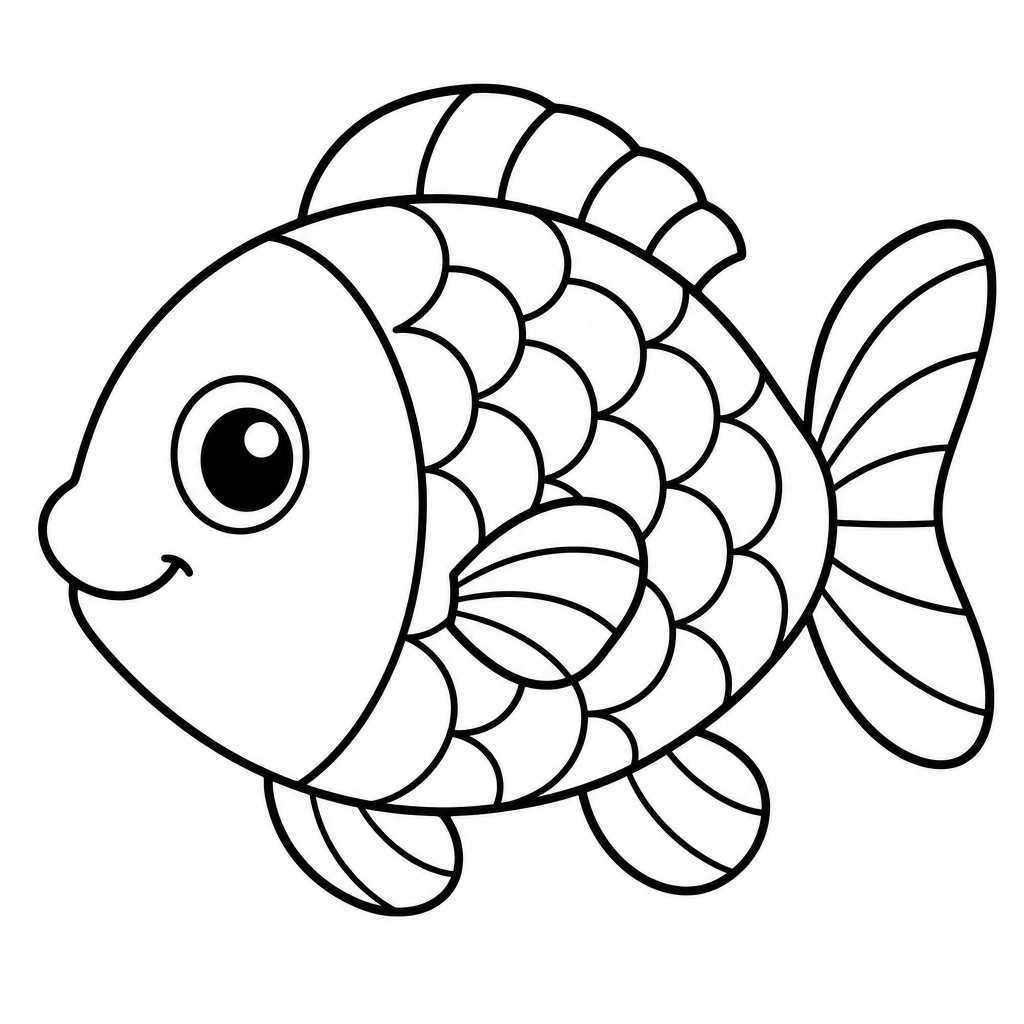 ⭐
Fish Coloring Page for Kids🖍️ Coloring Pages · Age 3-4
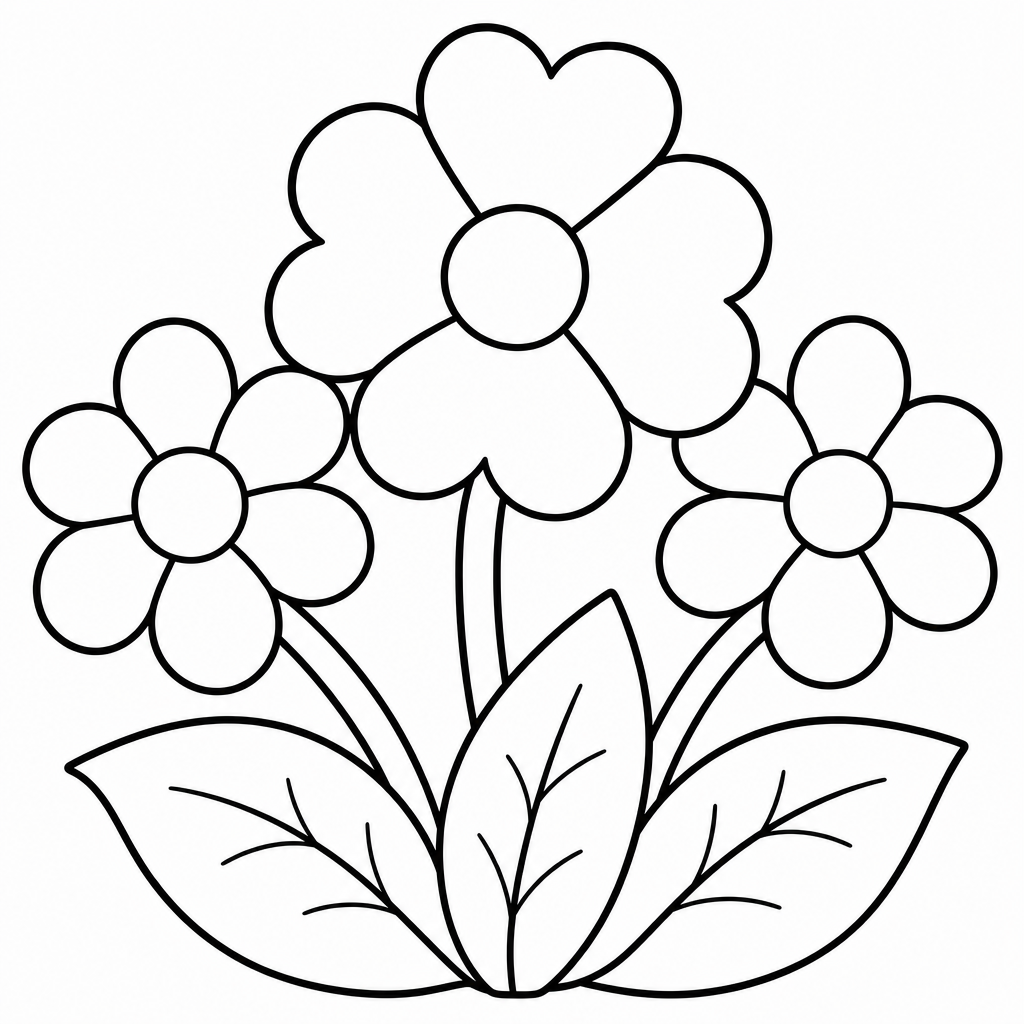 ⭐
Flower Coloring Page for Kids🖍️ Coloring Pages · Age 3-4
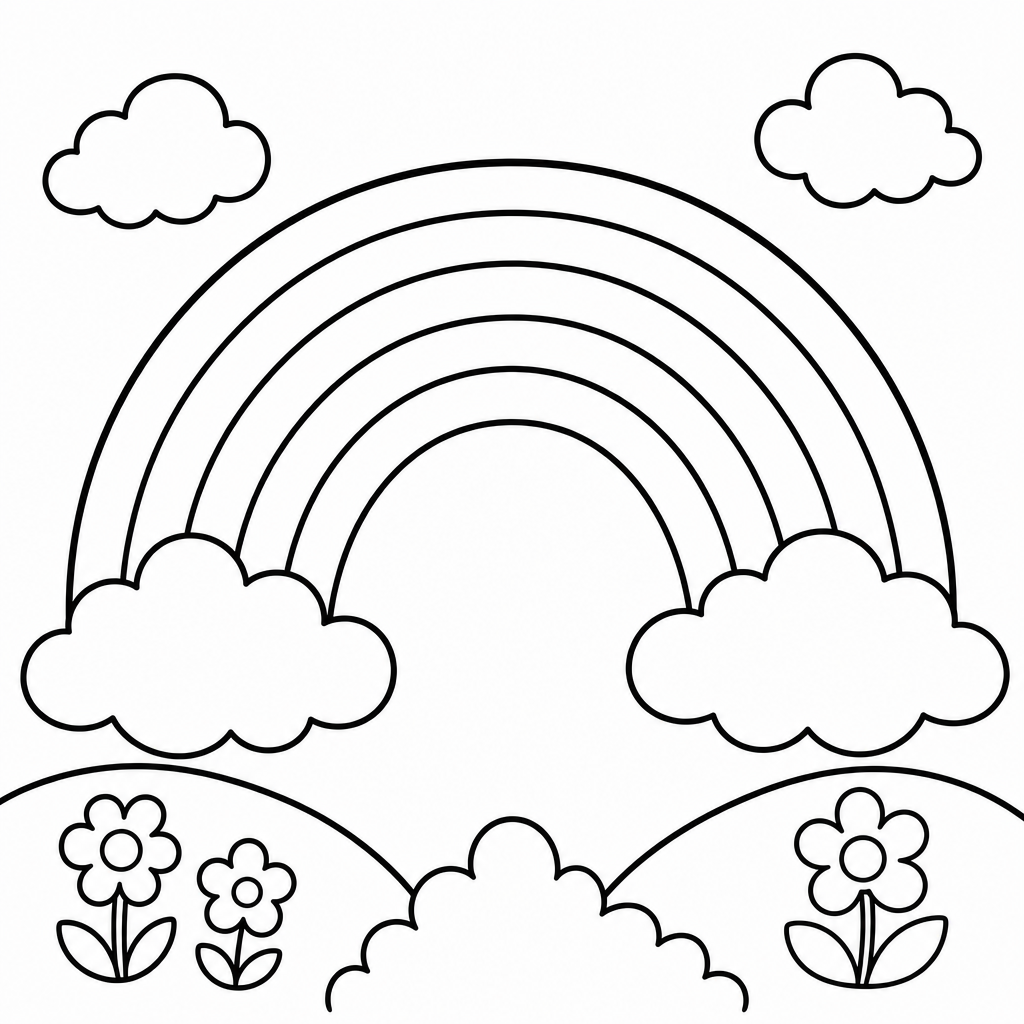 ⭐
Rainbow Coloring Page for Kids🖍️ Coloring Pages · Age 3-4
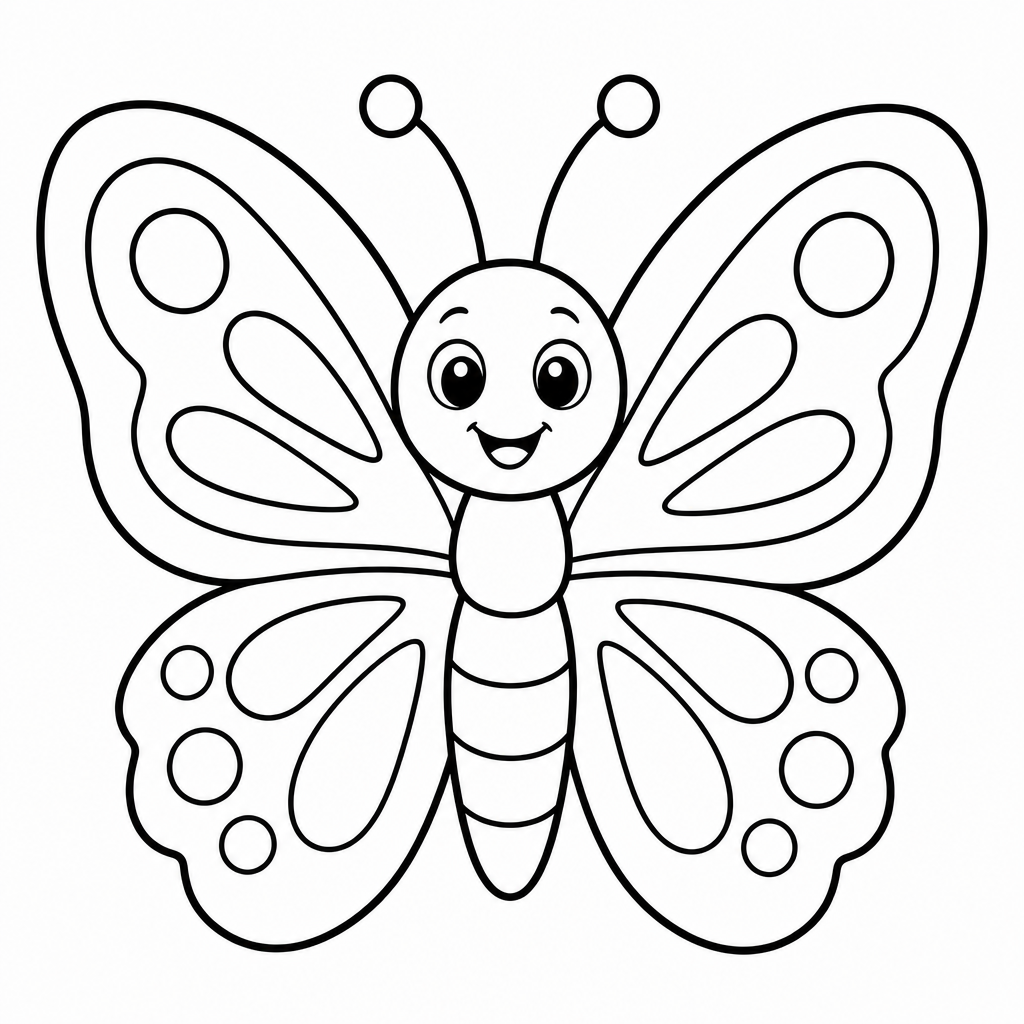 ⭐
Butterfly Coloring Page for Kids🖍️ Coloring Pages · Age 4-5
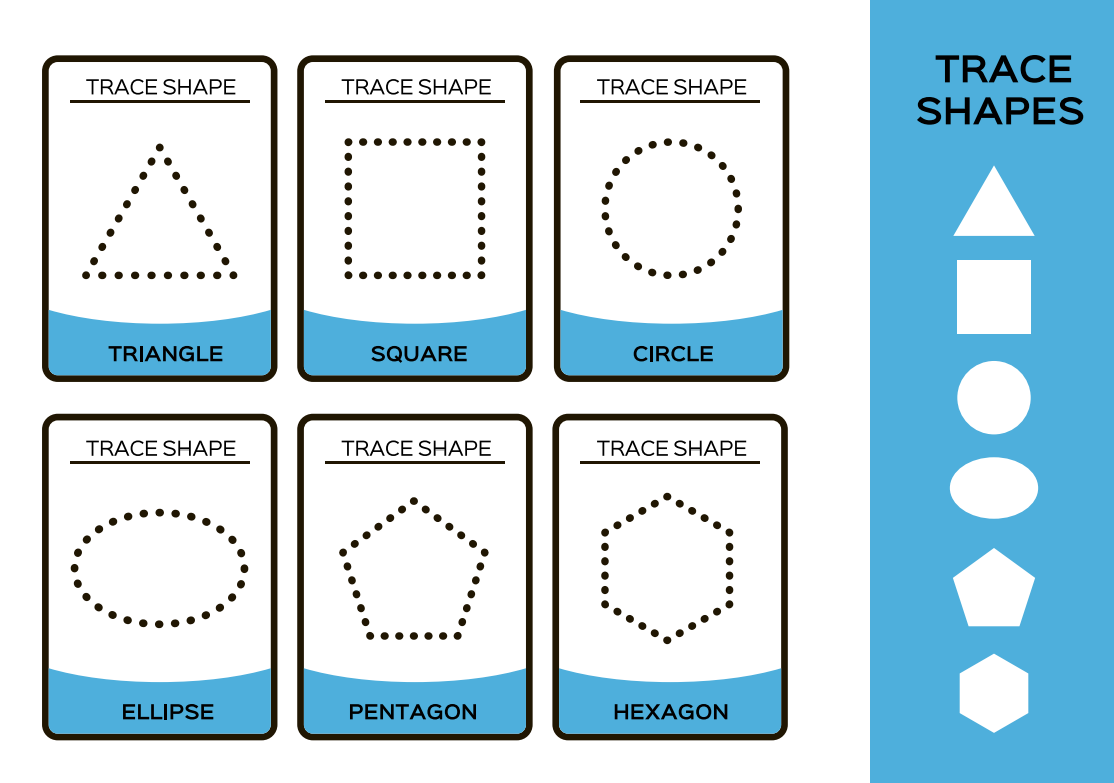 ⭐
trace shapes 1 for🖍️ Coloring Pages
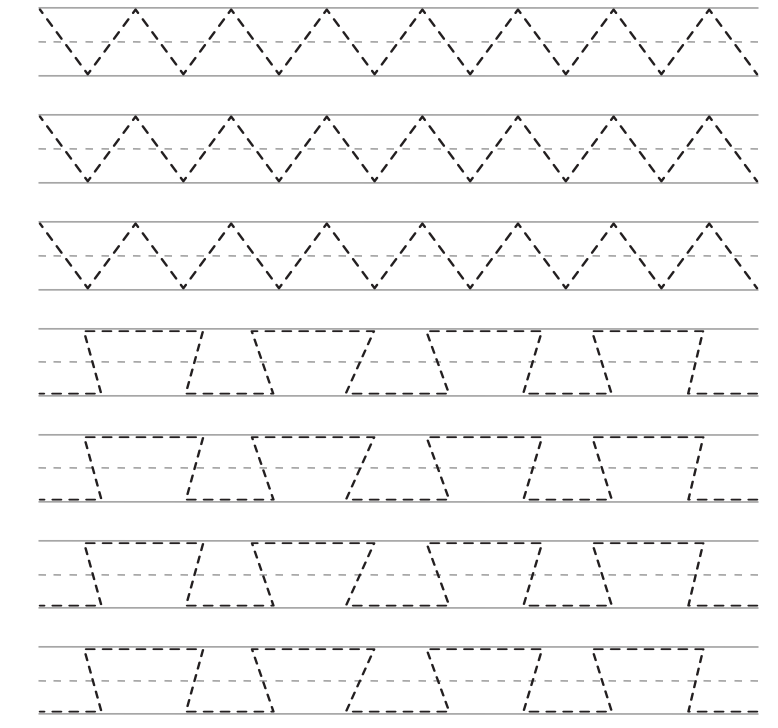 ⭐
hand🖍️ Coloring Pages
What you will find on this page
This is a free collection of coloring pages for kids aged 2 to 10. Each picture has clear, thick outlines and large spaces, so even small hands can colour inside the lines. Children can play right in the browser - no app download and no sign-up needed.
- Butterfly Coloring Page - big symmetrical wings that invite bright colour mixes.
- Rainbow Coloring Page - perfect for learning colour names and colour order.
- Elephant Coloring Page - a gentle animal page with large areas to fill.
- Fish Coloring Page - fins, scales and bubbles for careful colouring.
- Flower Coloring Page - petals and leaves for early pattern work.
- Car Coloring Page - wheels, windows and doors to colour one part at a time.
- Hand and shape tracing pages - colouring mixed with simple tracing practice.
Skills children build while colouring
Colouring looks like pure fun, and it is - but a lot of quiet learning happens at the same time.
- Fine motor control: holding a crayon or moving a finger on screen strengthens the small muscles used later for writing.
- Colour vocabulary: children learn to name and match red, blue, green, yellow, orange, purple, brown and more.
- Concentration: finishing one picture from start to end builds patience and attention span.
- Hand-eye coordination: staying inside outlines trains careful, controlled movement.
- Creative thinking: there is no wrong answer - a purple elephant or a striped fish is a win.
- Confidence: a completed page is something a child can show, display and feel proud of.
How to colour online and how to print
Online: open any picture, choose a colour from the palette and tap a region to fill it. Switch to the brush for free drawing, shading and patterns. Mistakes are easy to undo, so children can experiment without worry. The pages work with a finger on touchscreens and with a mouse on a computer.
On paper: use the print option to get a clean black-and-white worksheet. Printed sheets are great for car journeys, waiting rooms, rainy afternoons, classroom corners and homework-free weekends. Print several copies so siblings or a whole class can colour the same picture in different ways.
Ideas by age
Ages 2-3: keep it short and playful. Let toddlers tap-to-fill online so they see instant results, and name each colour out loud together. On paper, use chunky crayons and praise effort rather than neatness. Five to ten minutes is plenty at this age.
Ages 4-5: this is the perfect age for free printable coloring pages. Encourage colouring inside the lines, ask which colour comes next on the rainbow, and count the petals on the flower or the wheels on the car. Pair colouring with trace letters and numbers for a gentle pre-writing routine.
Ages 6-8: older children enjoy adding backgrounds, patterns and shading. Ask them to tell a short story about their picture, or to colour the butterfly wings so both sides match exactly. Then move on to color by number activities for a challenge that mixes colouring with early maths.
Tips for parents and teachers
- Set up a small colouring corner with crayons, pencils and a stack of printed sheets within easy reach.
- Talk while colouring. Questions like "Which colour will you use for the sky?" build language without feeling like a lesson.
- Mix screen and paper. Colour online first to try ideas, then print the same page and recreate it with crayons.
- Use pages as classroom warm-ups or calm-down activities after a busy lesson.
- Display finished work. A picture on the fridge or notice board encourages children to come back for more.
- Avoid correcting colours. Imagination matters more than realism at this stage.
More free activities to try next
If your child enjoys these pages, there is plenty more to explore on the site. Try the free drawing board for open-ended creating with no outlines at all, or connect the numbers on a dot to dot printable and colour the surprise picture that appears. All activities are free, ad-light and designed for young learners at home and in the classroom.