Even or Odd? A Fun Number Quiz from 1 to 10
Is 7 even or odd? This free activity helps young children answer that question with confidence. Numbers from 1 to 10 appear one at a time, and your child chooses even or odd. The idea is simple: if every item can find a partner, the number is even. If one item is left standing alone, the number is odd.
Because the range stays small, beginners can count on fingers, draw dots or pair up toys. It is a gentle first step before sorting bigger numbers, and a friendly warm-up for kindergarten and Grade 1 maths practice.
How to play
- Look at the number shown on the screen and say it out loud.
- Make that many dots, claps or fingers, then try to put them into pairs of two.
- Tap Even if every item has a partner, or Odd if one is left over.
- Keep going through all ten numbers, then try again to beat your own time.
Children learn that even numbers can be split into equal pairs with nothing left over, while odd numbers always leave one item alone. Working within 1 to 10 keeps the counting load light, so your child can focus on the pairing idea instead of struggling with big numbers. Along the way they practise counting, one-to-one matching and early doubles such as 2, 4, 6, 8 and 10. This understanding supports later work on skip counting, sharing fairly, multiplication and division. At home, let your child pair up socks, spoons or crayons and say whether the total is even or odd.
Frequently asked questions
What age is this even and odd activity best for?
How do I explain even and odd to a young child?
Which numbers from 1 to 10 are even?
Is this activity free and can we use it in class?
More even and odd
More Numbers activities
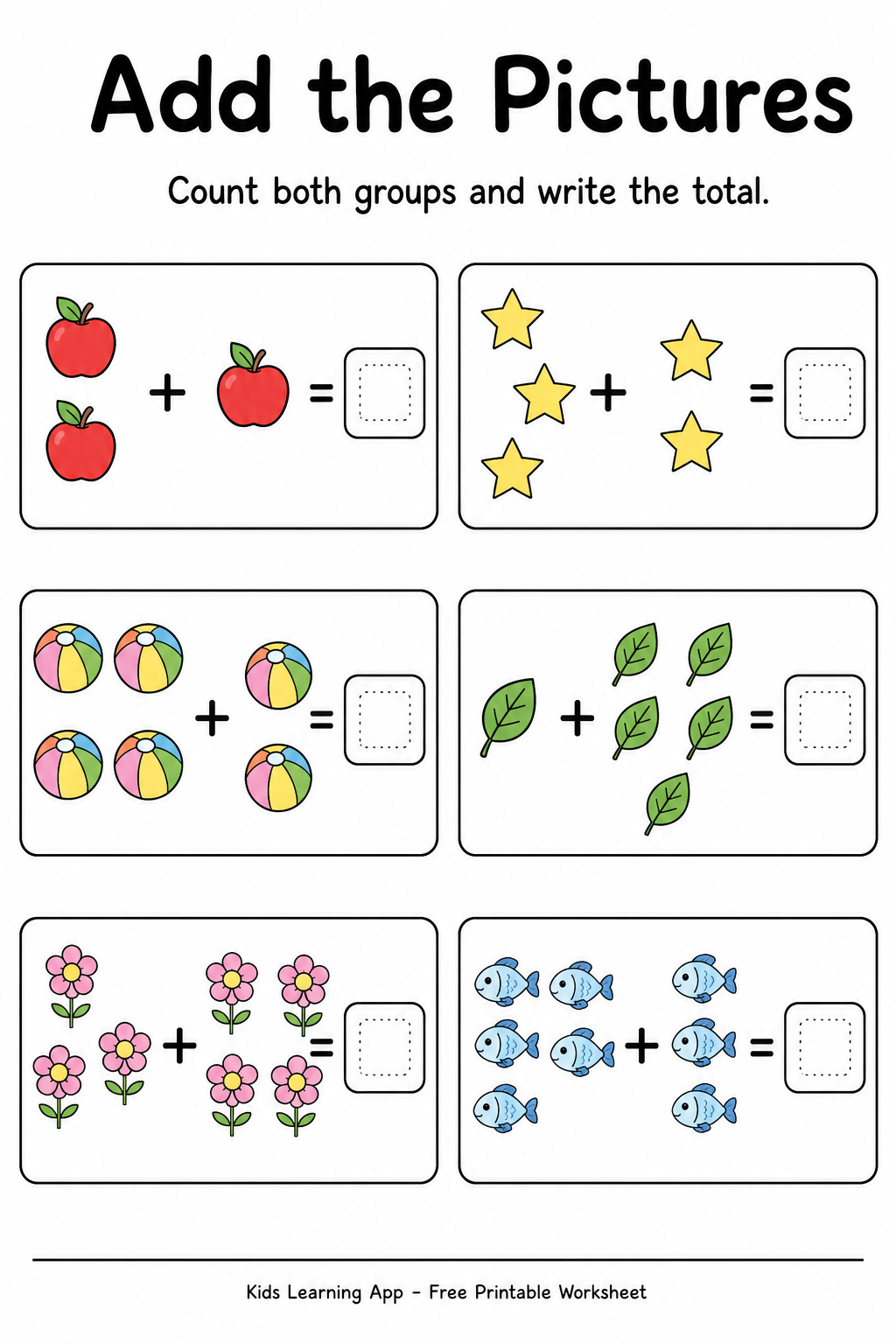 ⭐
Addition Within 10 Worksheets for Kids📄 Printable Worksheets · Age 5-6
🏆⭐
Maths Star Certificate for Kids🏆 Certificates & Stars · Age 5-6
⏱️⭐
Times Tables Speed Drill for Kids⏱️ Mental Maths Drill · Age 8-10
🔟⭐
Number Bonds to 5 for Kids🔟 Ten Frames & Number Bonds · Age 4-5
🐸⭐
Skip Counting by 10s, 25s and 100s for Kids🐸 Skip Counting · Age 6-8
🧮⭐
Read 3-Digit Numbers from Place Value Blocks for Kids🧮 Place Value Blocks · Age 6-8
📏⭐
Number Line 0 to 100 by Tens for Kids📏 Number Line · Age 6-8
🧮⭐
Mixed Column Addition and Subtraction (3-Digit) for Kids🧮 Column Addition & Subtraction · Age 6-8
Updated 5 Nov 2026