Free Printable Phonics Worksheets: Sounds, CVC Words and Sight Words
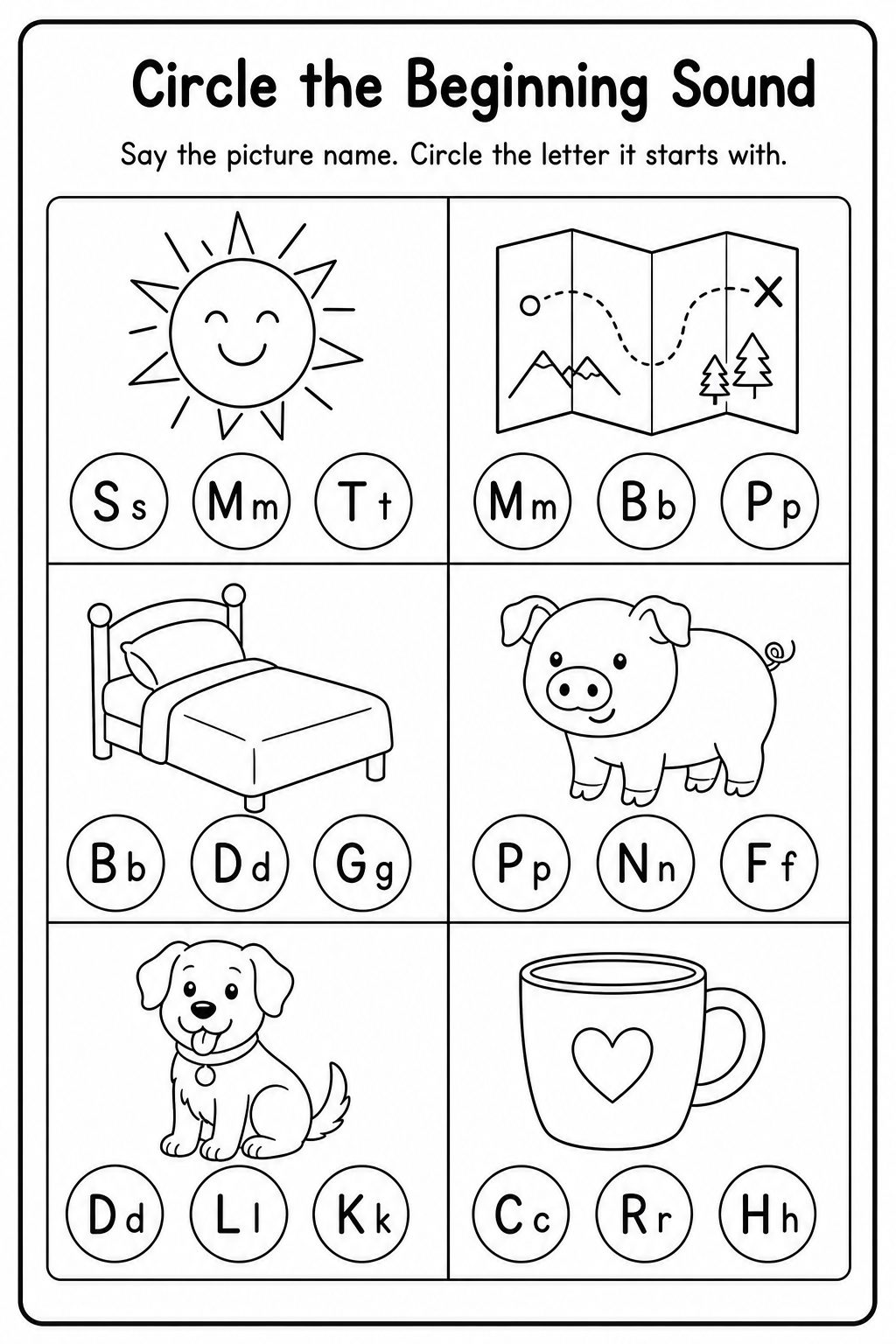
These free printable phonics worksheets help young readers move from single sounds to whole words. Children first listen for the beginning sound in simple pictures, then fill in the missing middle vowel to build CVC words like cat, pen and bus, and finally trace and write everyday sight words such as the, and, see and you.
Each page is clean, black and white, and easy to print at home or in class. Use one page a day for a short, happy reading session, or print the full set as a mini phonics booklet for preschool and early primary practice.
How to play
- Print the worksheet pages on A4 paper. One page per day works well for young learners.
- Say each picture name aloud together, stretching the sounds slowly, for example s-u-n.
- Let your child circle the correct letter, write the missing vowel, match the word to the picture, and trace the sight words.
- Read the finished words together once more and tick the stars at the bottom of the page.
This worksheet set builds the three skills early readers need most. Children practise letter-sound knowledge by hearing beginning sounds, they blend three sounds into CVC words such as cat, pig and mug, and they learn to recognise common sight words on sight instead of sounding them out. Writing the letters also strengthens pencil control and spelling memory. Short daily practice works better than long sessions, so aim for ten quiet minutes. Praise effort, read each finished word aloud together, and let your child point to the same sight words in storybooks at home. Confidence grows quickly when practice feels like play.
Frequently asked questions
What are CVC words and why are they important?
Which age group are these phonics worksheets best for?
What is the difference between phonics words and sight words?
How often should my child practise these pages?
Do I need coloured printing for these worksheets?
More printable worksheets
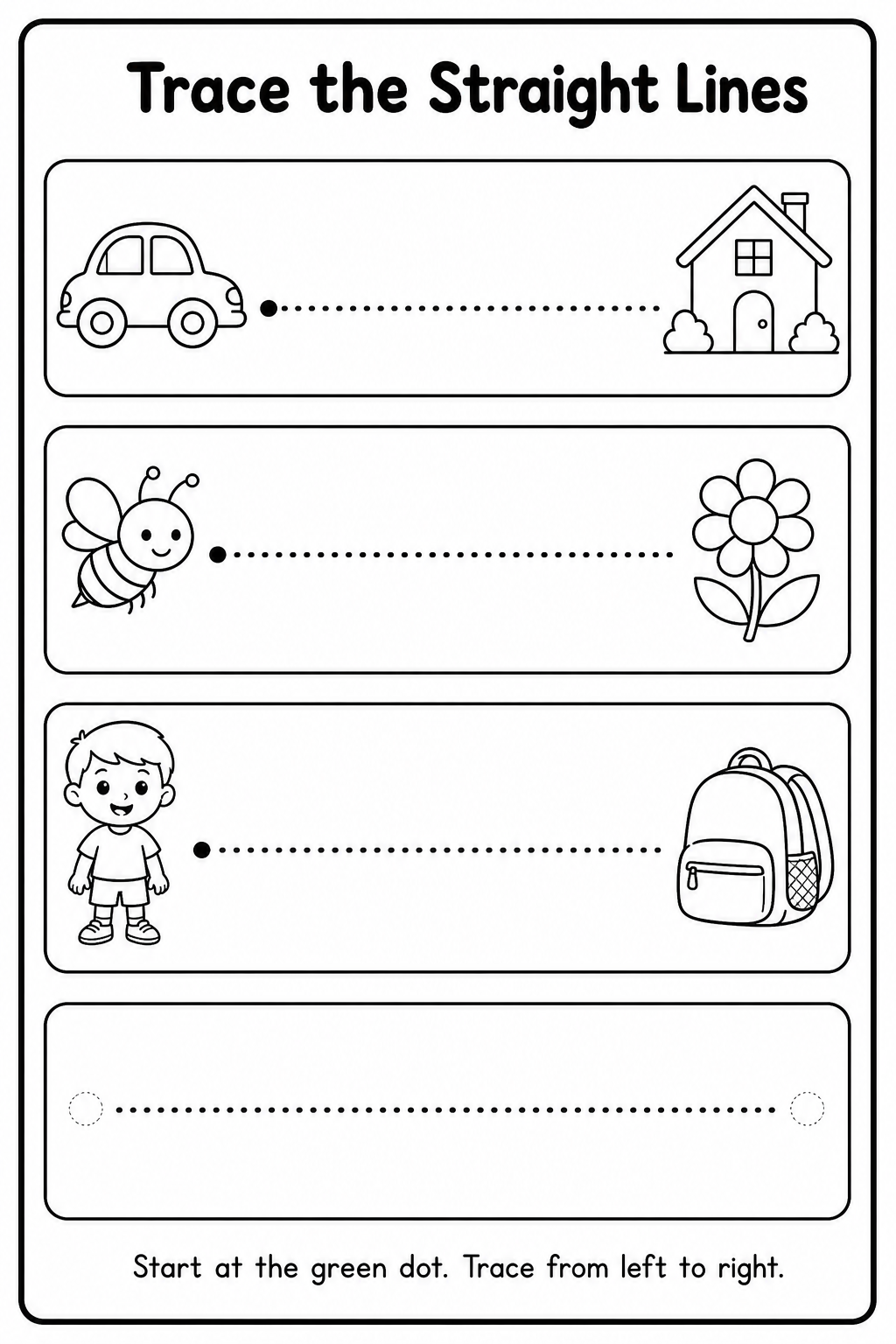 ⭐
Pencil Control Worksheets for Kids: Lines and Curves📄 Printable Worksheets · Age 3-4
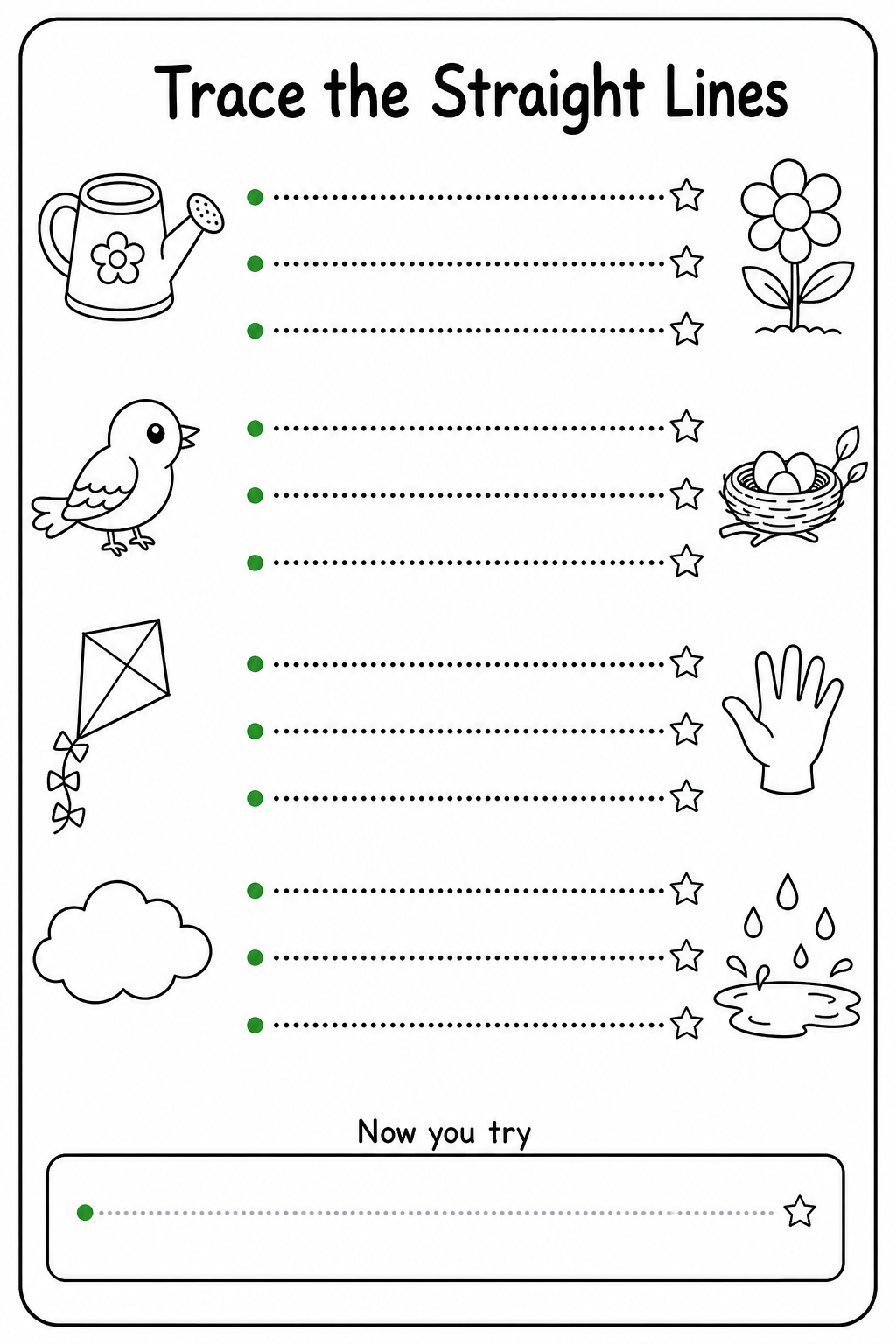 ⭐
Pencil Control Worksheets for Kids: Lines and Curves📄 Printable Worksheets · Age 3-4
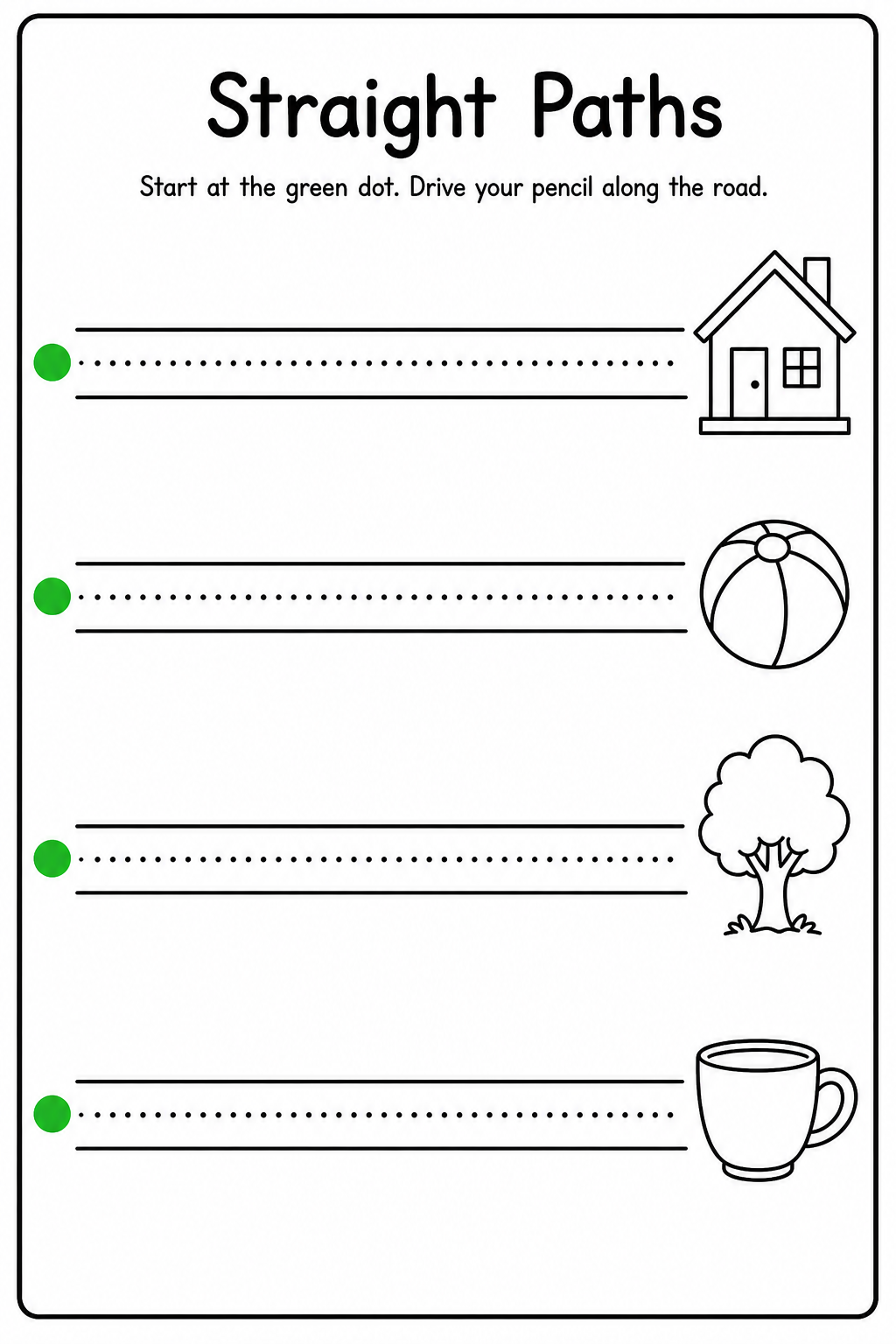 ⭐
Pencil Control Worksheets for Kids: Paths and Curves📄 Printable Worksheets · Age 3-4
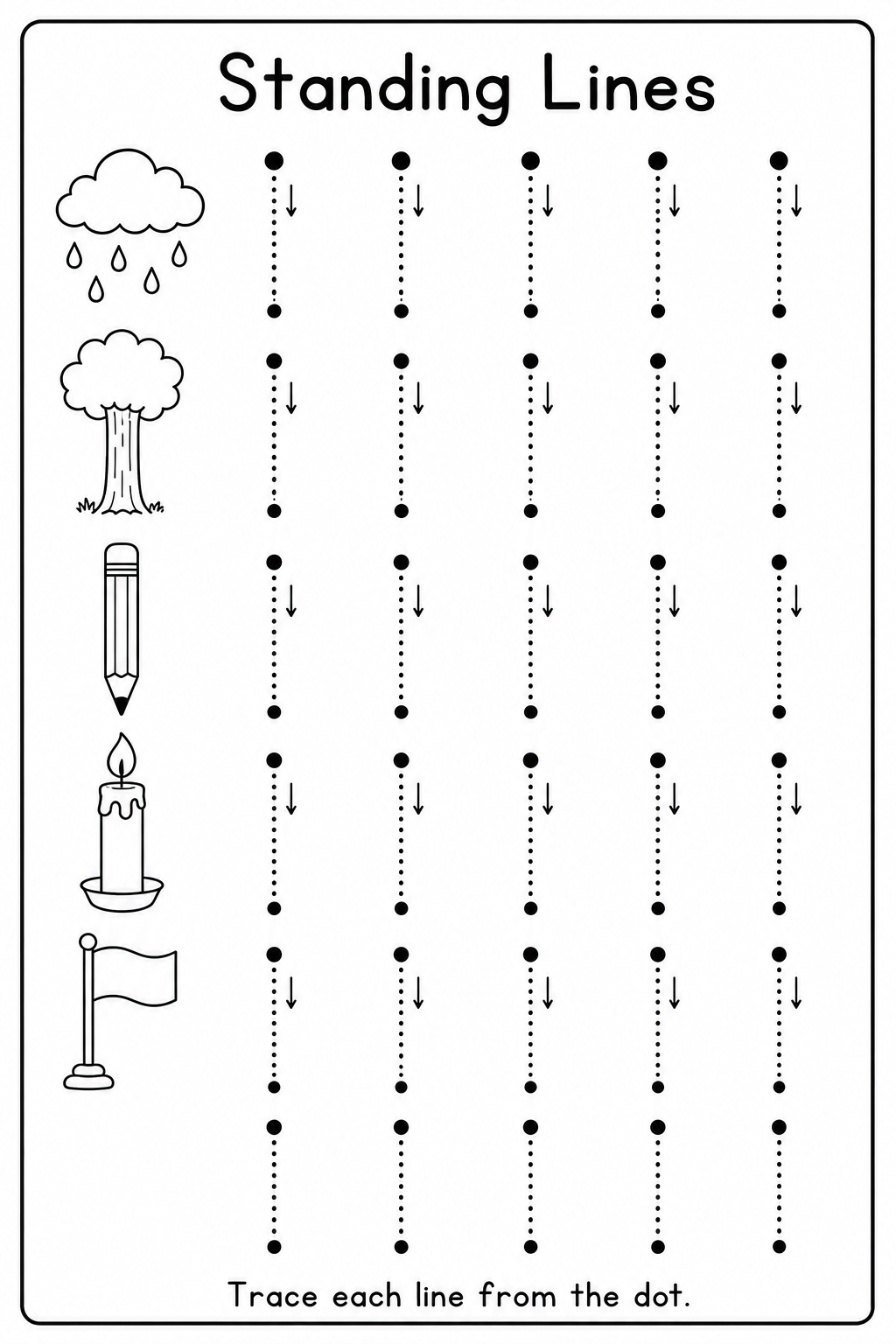 ⭐
Pre-Writing Lines Worksheets for Kids: Trace and Draw📄 Printable Worksheets · Age 3-4
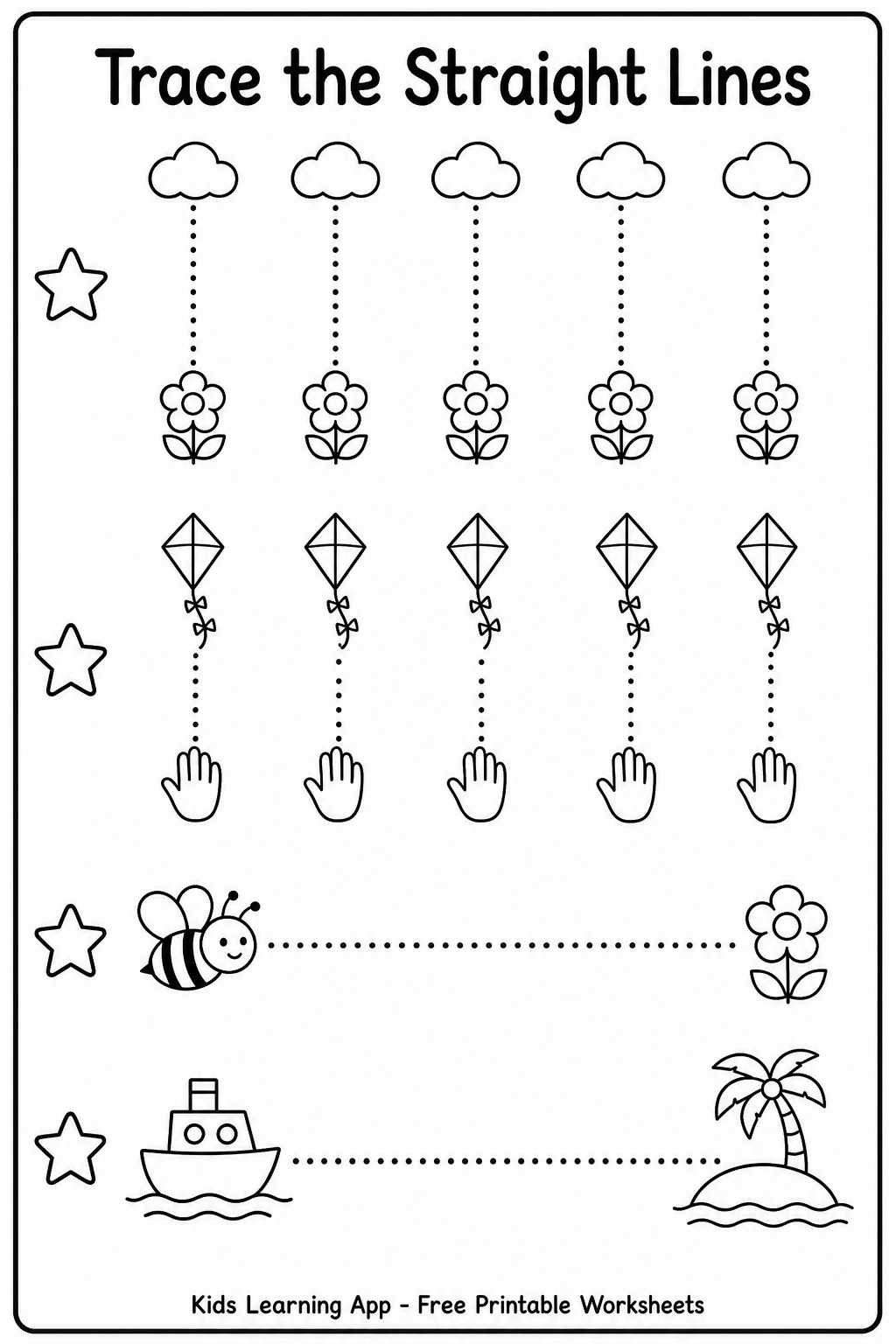 ⭐
Pre-Writing Lines Worksheets for Kids: Trace and Draw📄 Printable Worksheets · Age 3-4
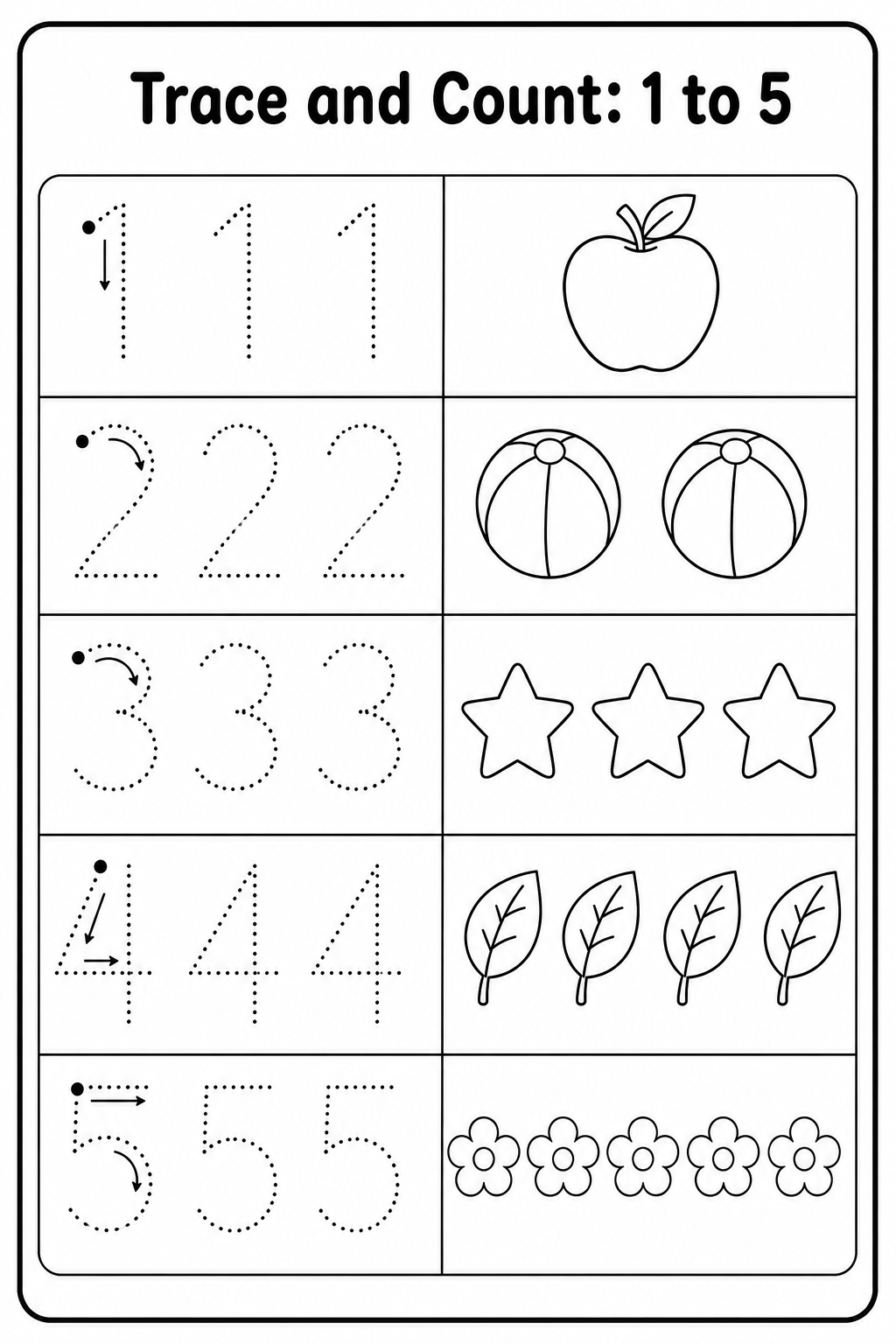 ⭐
Count and Trace Numbers 1-20 Worksheets for Kids📄 Printable Worksheets · Age 4-5
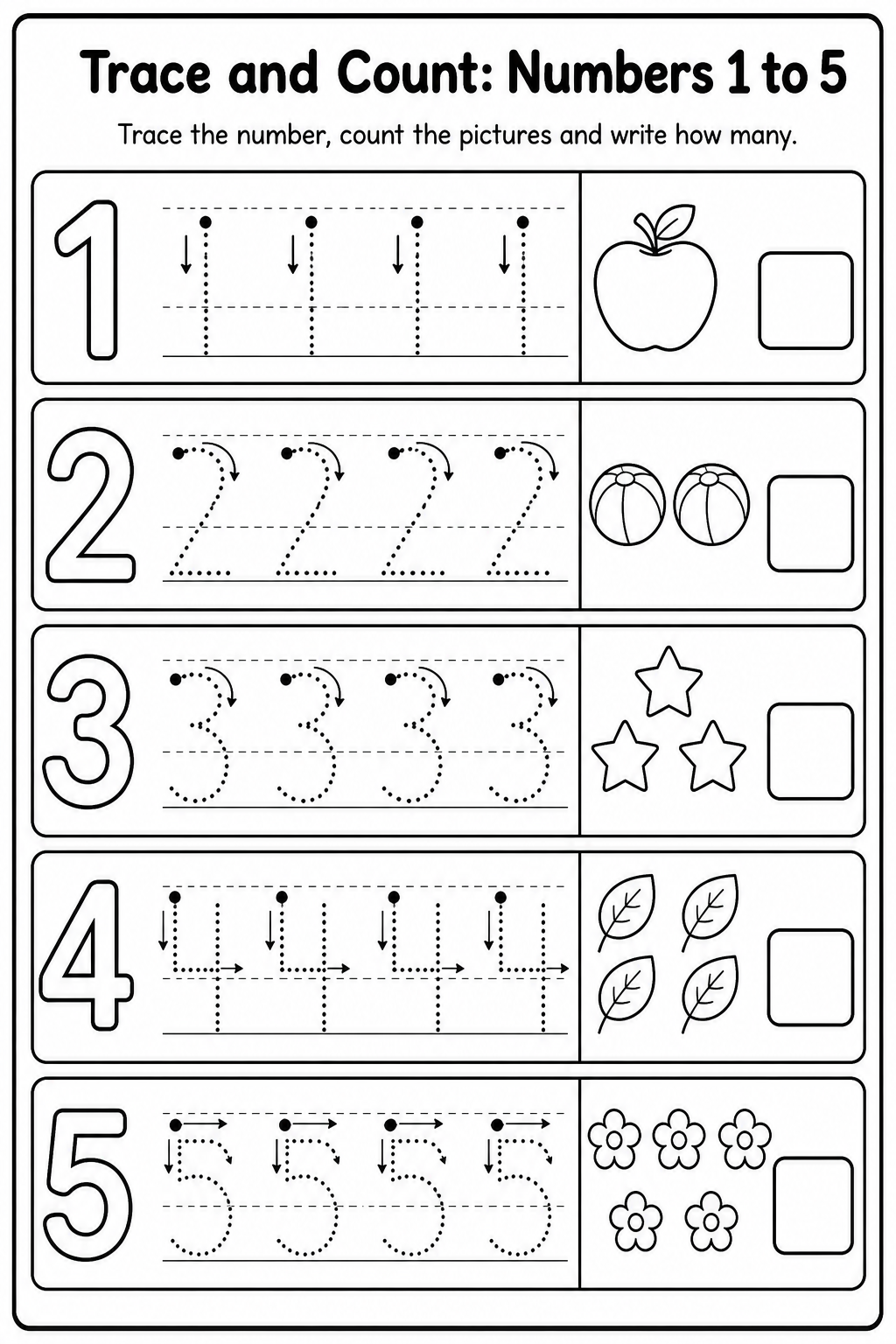 ⭐
Numbers 1 to 20 Worksheets for Kids: Trace and Count📄 Printable Worksheets · Age 4-5
 ⭐
Number Tracing 1 to 20 Worksheets for Kids📄 Printable Worksheets · Age 4-5
More Phonics activities
Updated 17 Nov 2026