Letter Recognition Worksheets for Kids: Trace and Find
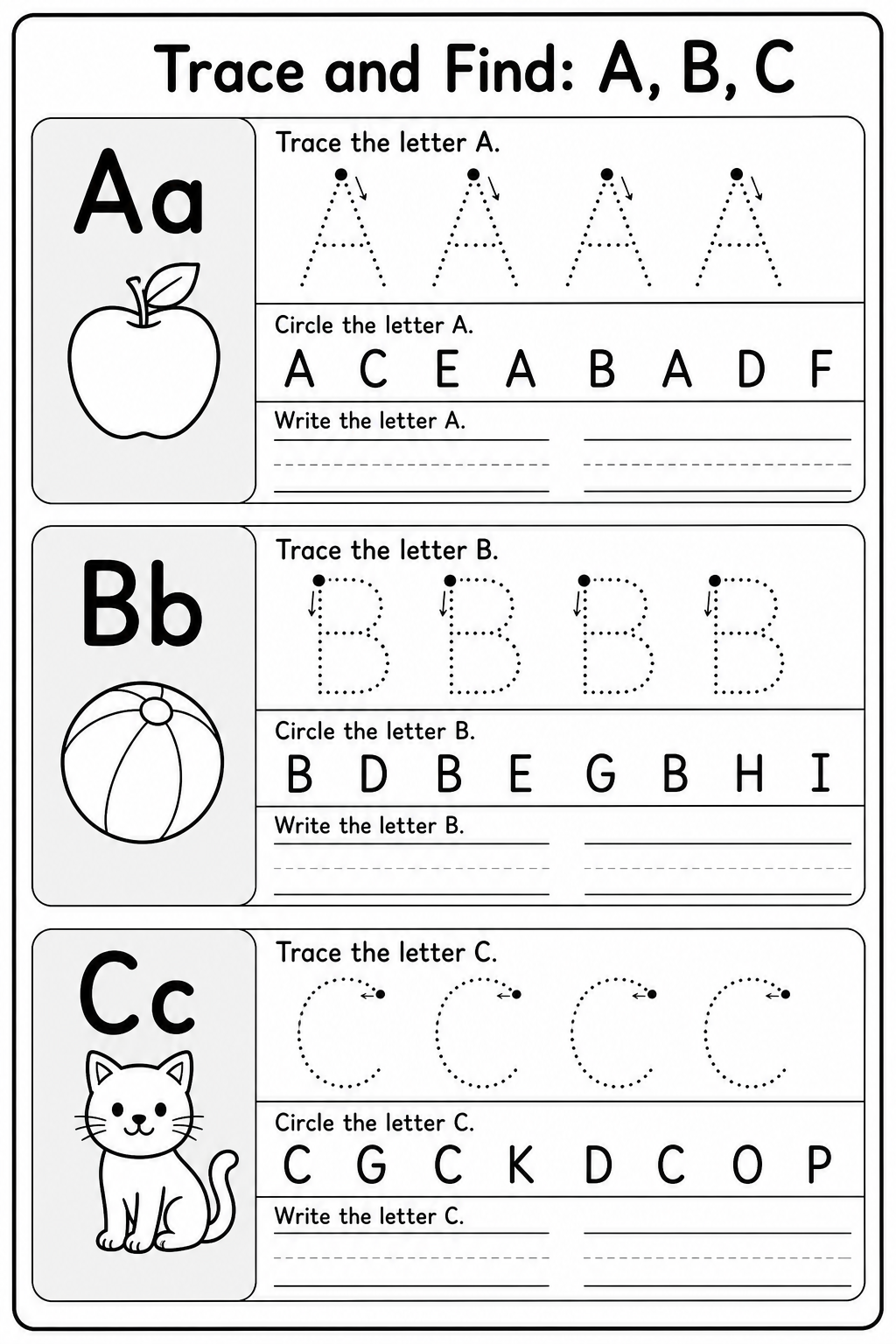
These free printable worksheets help young learners notice the shape of each letter and then write it. On every page, children warm up by tracing dotted capital and small letters, then play a simple finding game: look at the letter in the box and circle the same letter in the row beside it.
The pages move gently from easy letters like A, B and C to letters that look alike, such as b and d. A pencil, a crayon and a few quiet minutes are all your child needs. Print as many copies as you like for home or classroom practice.
How to play
- Print the worksheet pages on A4 paper. One page a day is enough for most preschoolers.
- Trace each dotted letter, starting at the big dot and following the arrows. Say the letter name aloud while tracing.
- Look at the letter in the grey box, then circle the same letter every time you see it in the row.
- Write the letter once on your own in the empty line at the bottom, and colour the small picture.
Letter recognition is the first step towards reading. While tracing, your child builds pencil control, correct stroke order and a steady hand. While circling matching letters, they learn to compare shapes closely, which is exactly the skill needed to tell b from d or p from q later on. Saying the letter name aloud links the shape to its sound, so early reading feels easier.
Keep sessions short and cheerful, about ten minutes. Praise effort rather than neatness, and let your child choose which letter to practise first. Repeating a favourite page is helpful, not a waste of time.
Frequently asked questions
What age are these letter worksheets best for?
Should my child learn capital or small letters first?
How many pages should we do in one sitting?
Can I reuse the worksheets?
More printable worksheets
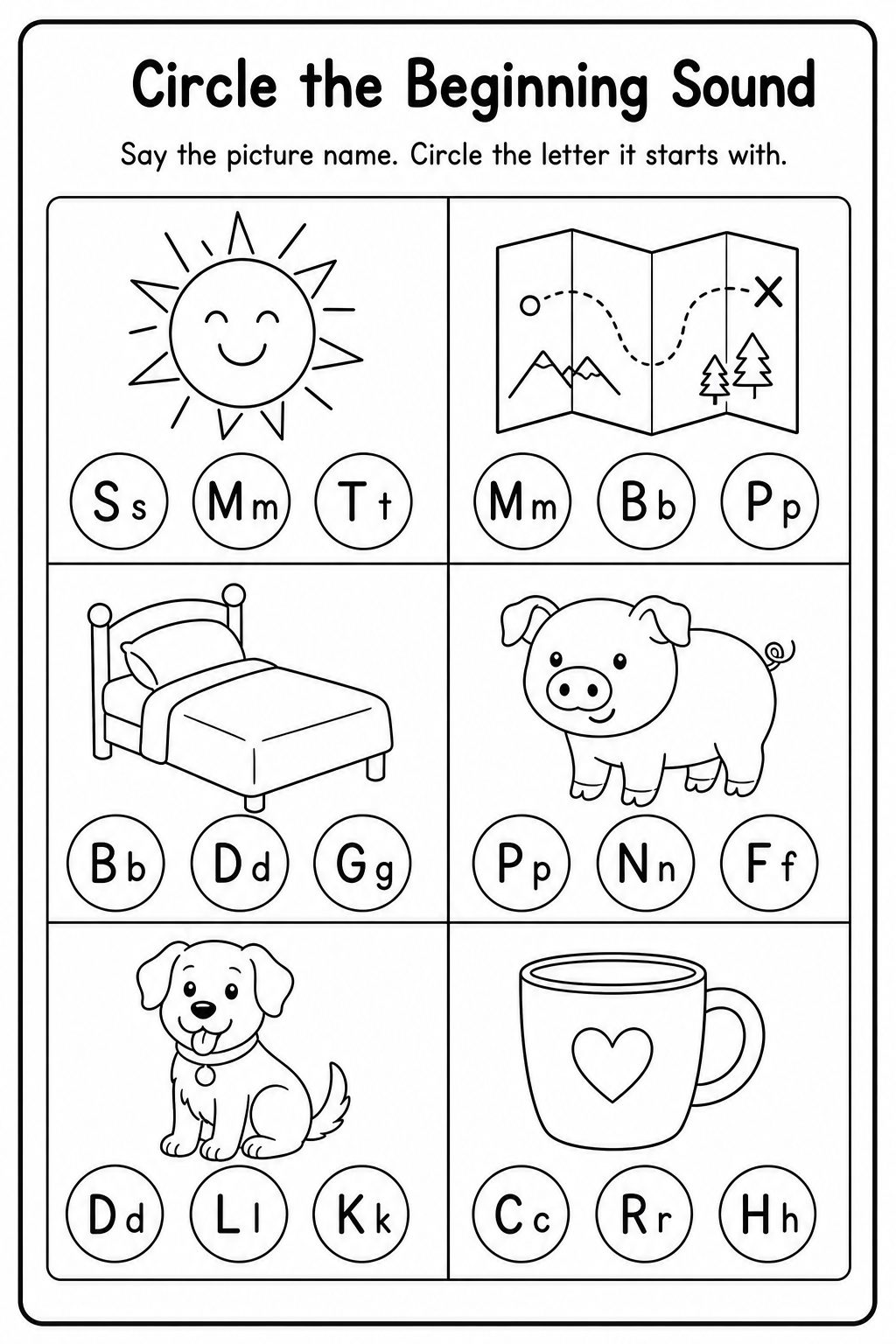 ⭐
Phonics Worksheets for Kids: CVC and Sight Words📄 Printable Worksheets · Age 5-6
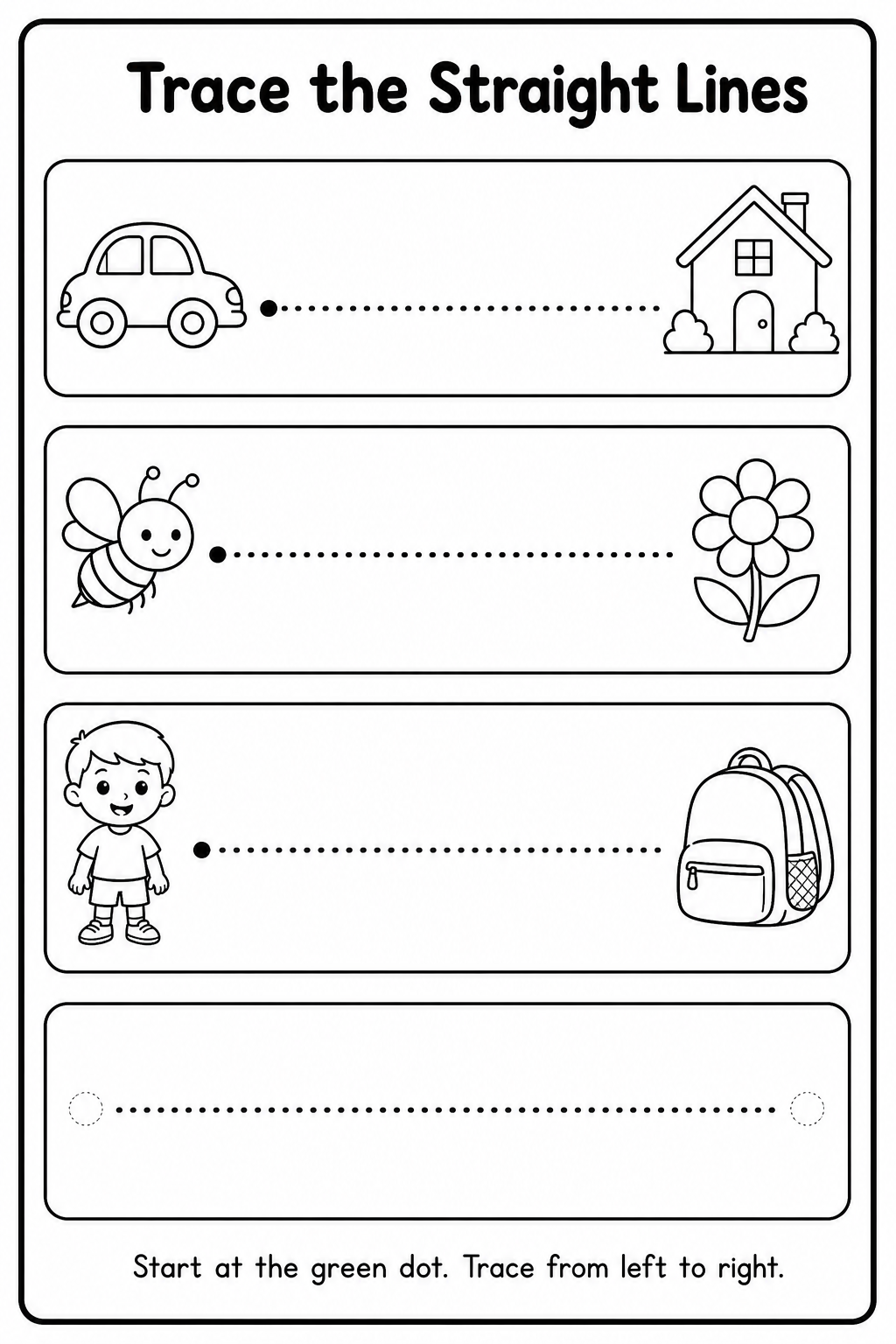 ⭐
Pencil Control Worksheets for Kids: Lines and Curves📄 Printable Worksheets · Age 3-4
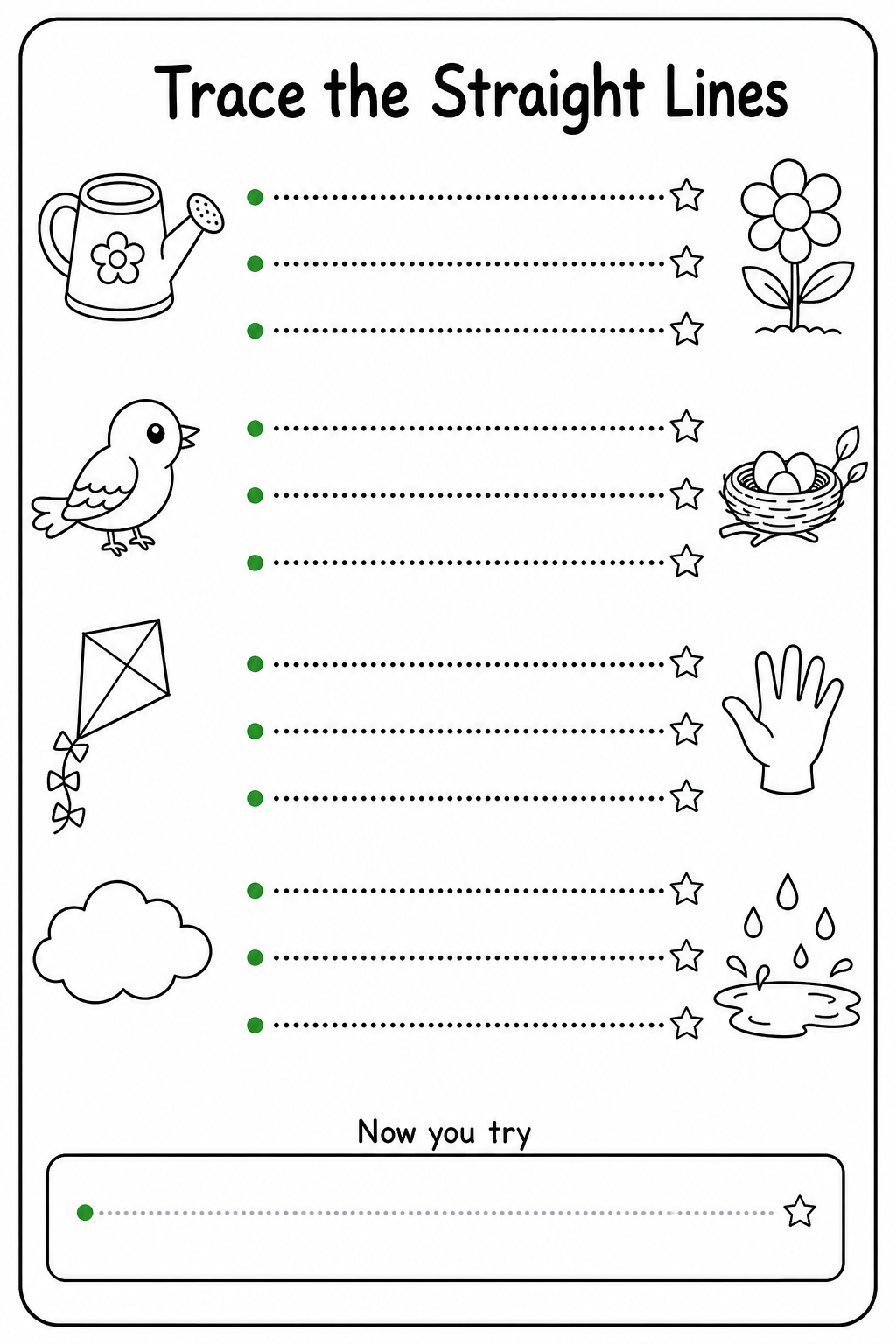 ⭐
Pencil Control Worksheets for Kids: Lines and Curves📄 Printable Worksheets · Age 3-4
 ⭐
Pencil Control Worksheets for Kids: Paths and Curves📄 Printable Worksheets · Age 3-4
 ⭐
Pre-Writing Lines Worksheets for Kids: Trace and Draw📄 Printable Worksheets · Age 3-4
 ⭐
Pre-Writing Lines Worksheets for Kids: Trace and Draw📄 Printable Worksheets · Age 3-4
 ⭐
Count and Trace Numbers 1-20 Worksheets for Kids📄 Printable Worksheets · Age 4-5
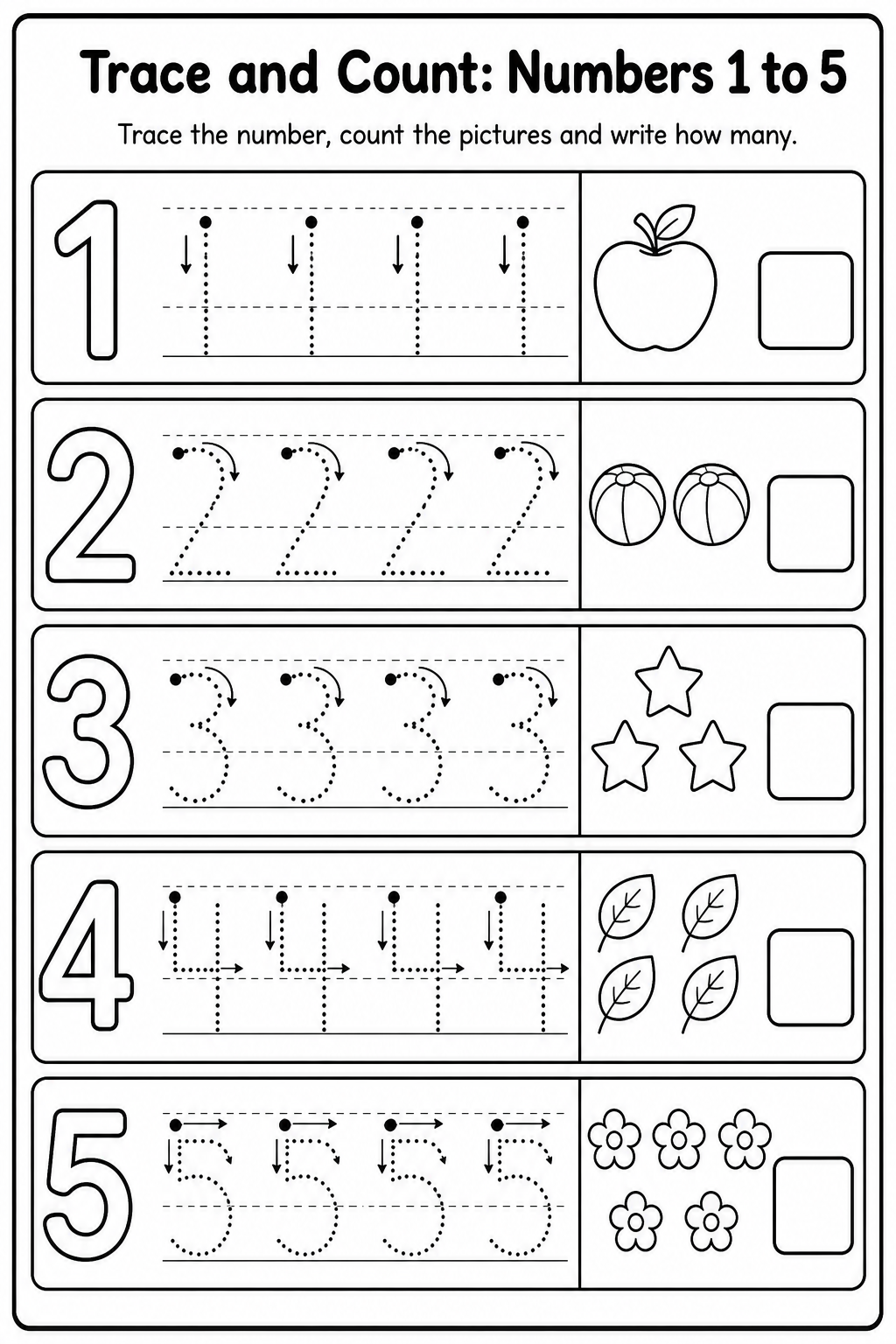 ⭐
Numbers 1 to 20 Worksheets for Kids: Trace and Count📄 Printable Worksheets · Age 4-5
More Alphabet activities
Updated 17 Nov 2026