Letter Recognition Worksheets for Kids: Find and Trace
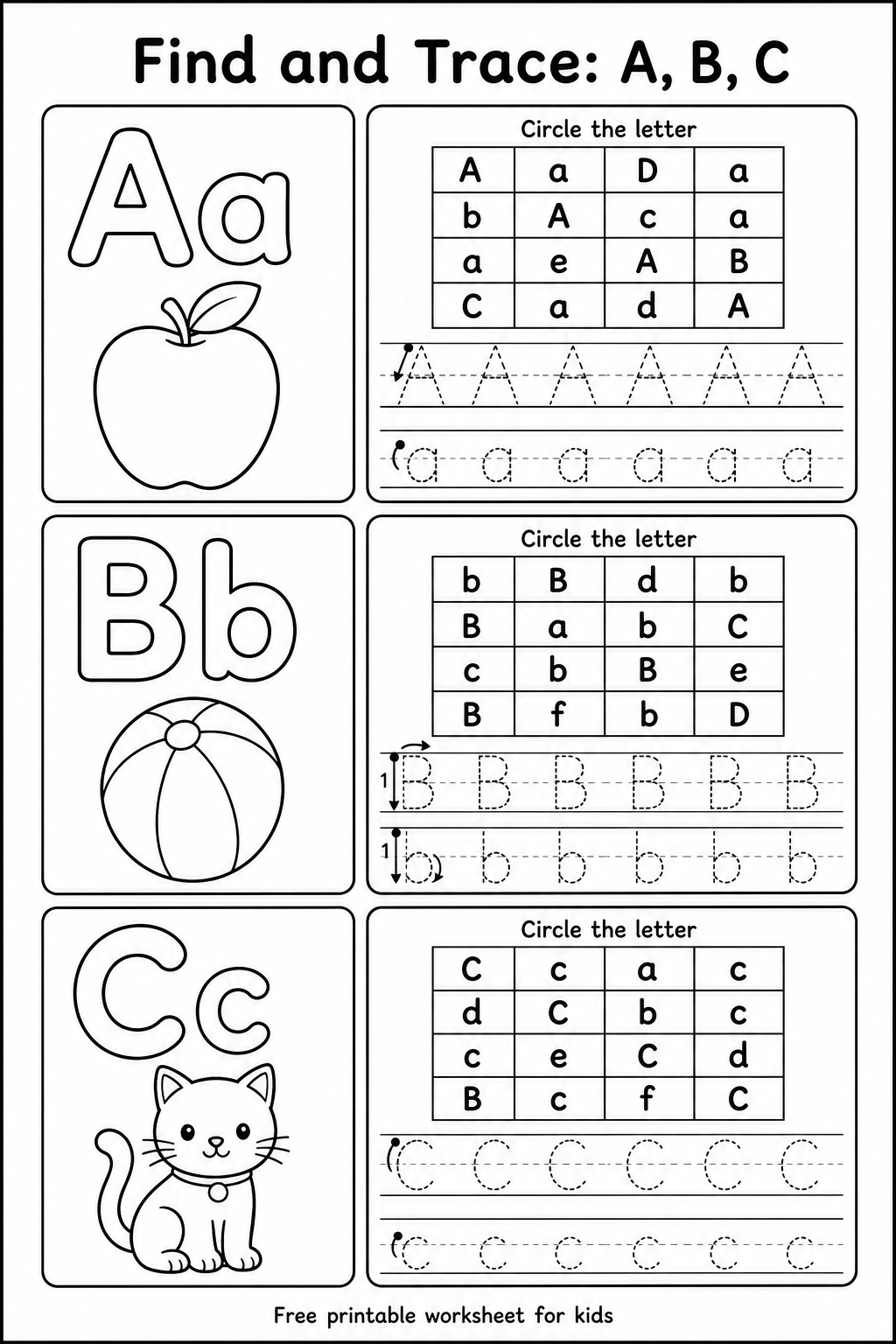
These free printable letter recognition worksheets for kids help young learners spot, trace and name the letters of the alphabet. On each page, children hunt for a target letter among a group of letters, circle every match, then trace the capital and small forms neatly along dotted lines. Simple picture clues, such as an apple for A or a ball for B, link each letter to its beginning sound.
The worksheets are perfect for preschool, nursery and kindergarten practice at home or in class. Just download, print on A4 paper and give your child a pencil and crayons.
How to play
- Download the free PDF and print the pages on A4 paper, one page at a time.
- Look at the big letter in the box at the top. Say its name and its sound out loud.
- Circle every matching letter you can find in the letter search box.
- Trace the dotted capital and small letters, then colour the picture that starts with that letter.
While your child circles and traces, they are building two important early reading skills: visual discrimination and letter-sound knowledge. Finding a target letter among look-alike letters trains the eye to notice small differences, such as b and d or p and q. Tracing the dotted strokes develops pencil control, correct letter formation and left-to-right hand movement, which later supports neat handwriting. Naming the picture clue connects each letter to its beginning sound, an early step towards blending and reading simple words. Short, calm sessions of ten to fifteen minutes work best. Praise effort rather than neatness, and repeat tricky letters on another day.
Frequently asked questions
What age are these letter recognition worksheets best for?
Are these alphabet worksheets really free to print?
How can I help my child who confuses similar letters?
Should my child learn capital or small letters first?
More printable worksheets
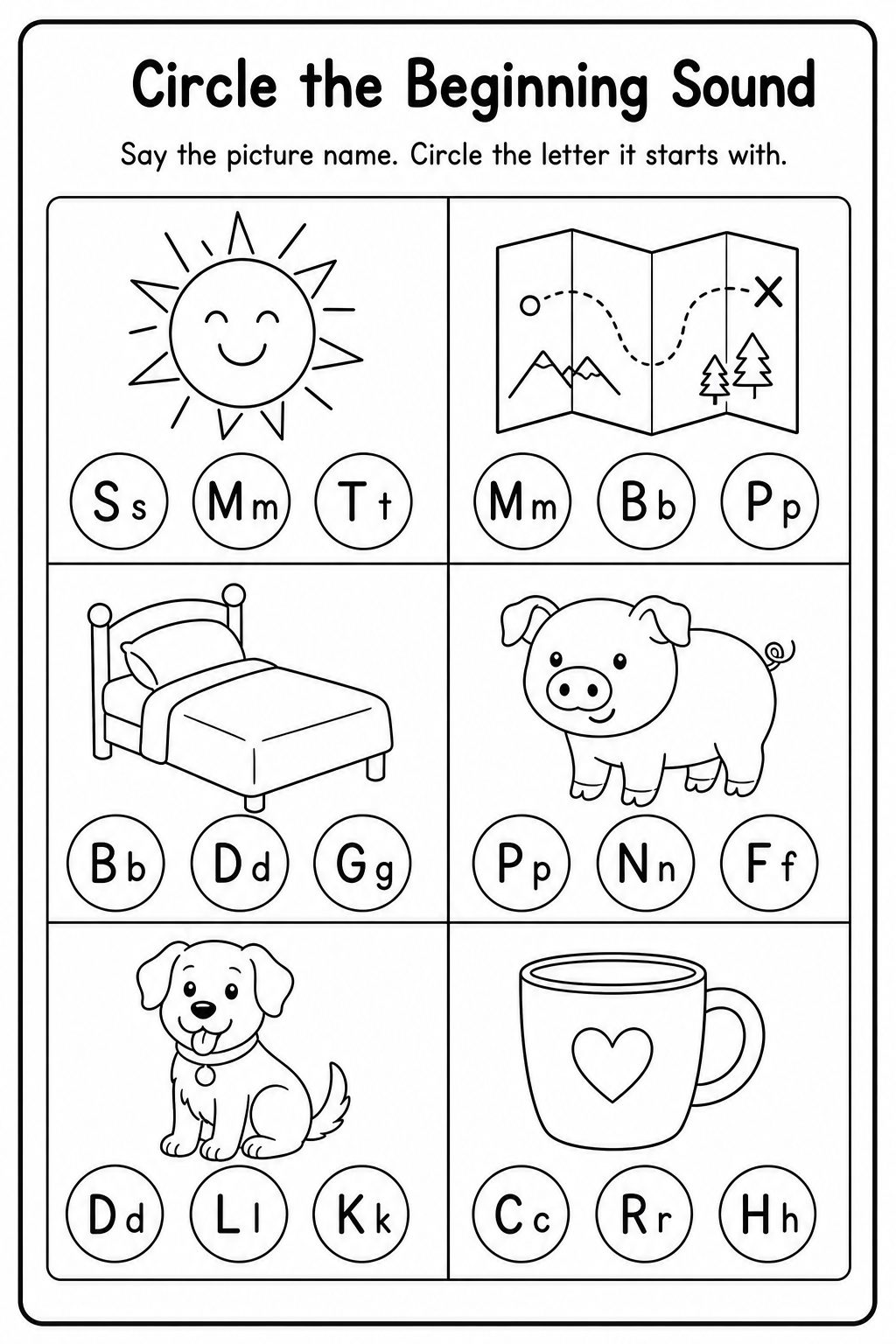 ⭐
Phonics Worksheets for Kids: CVC and Sight Words📄 Printable Worksheets · Age 5-6
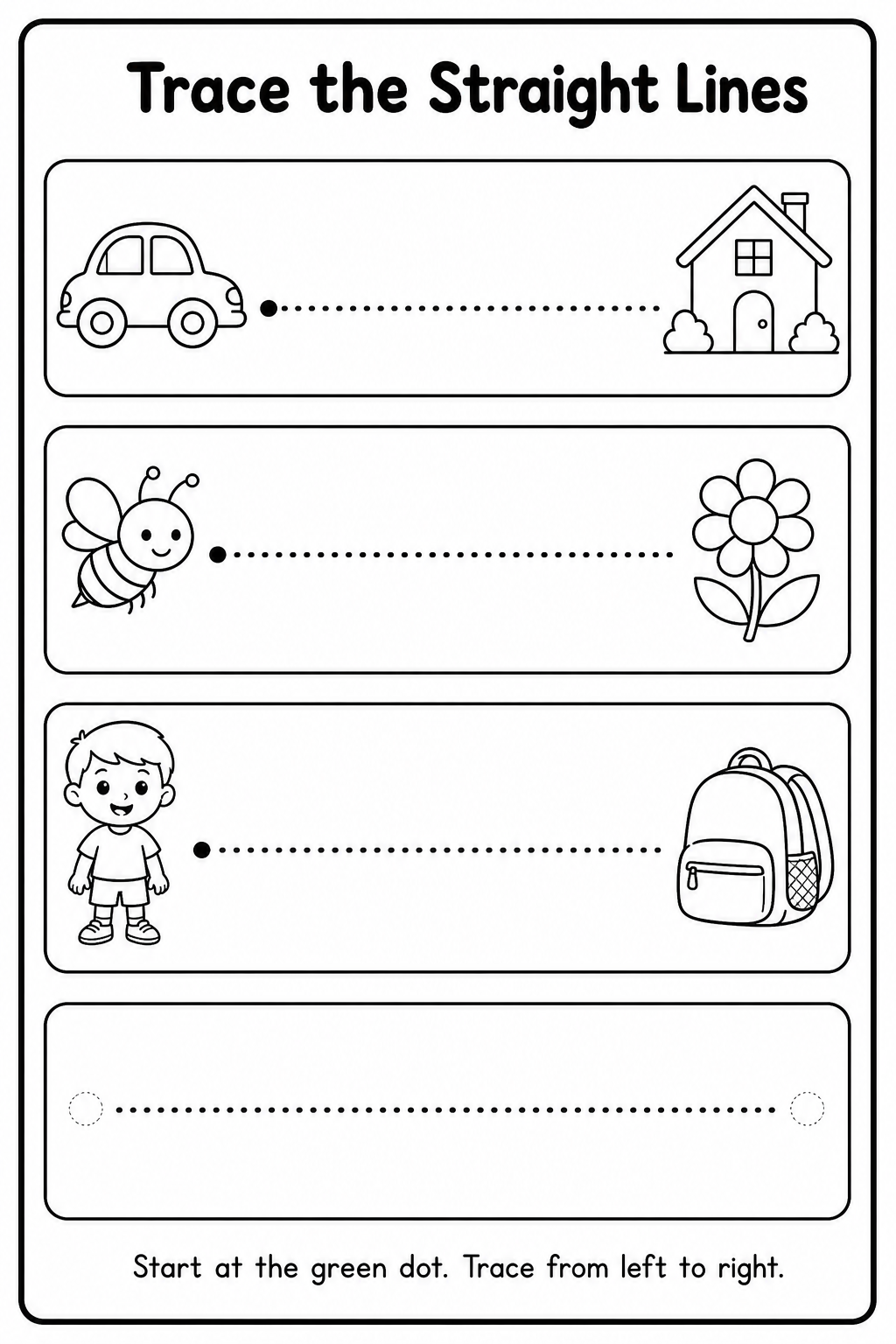 ⭐
Pencil Control Worksheets for Kids: Lines and Curves📄 Printable Worksheets · Age 3-4
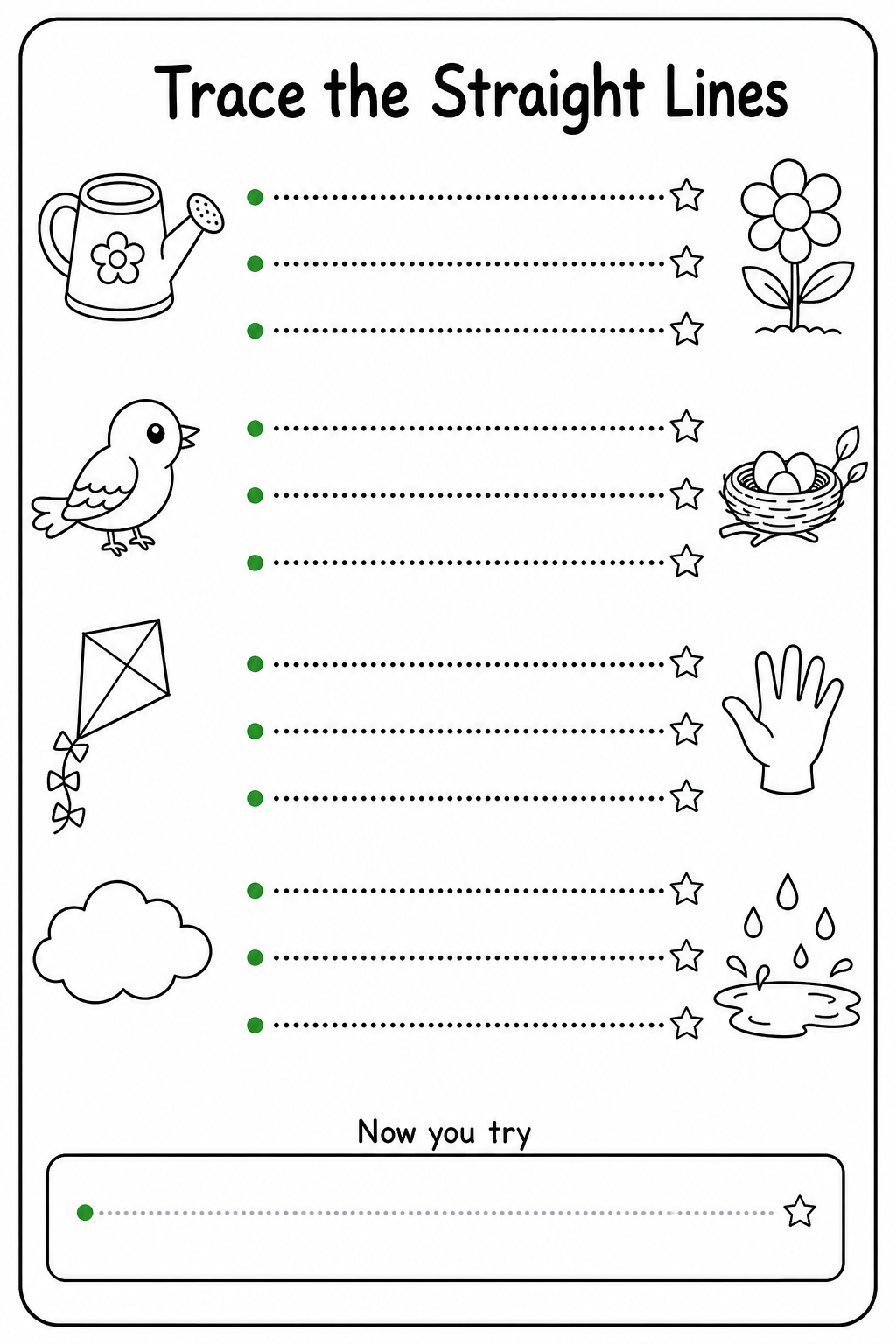 ⭐
Pencil Control Worksheets for Kids: Lines and Curves📄 Printable Worksheets · Age 3-4
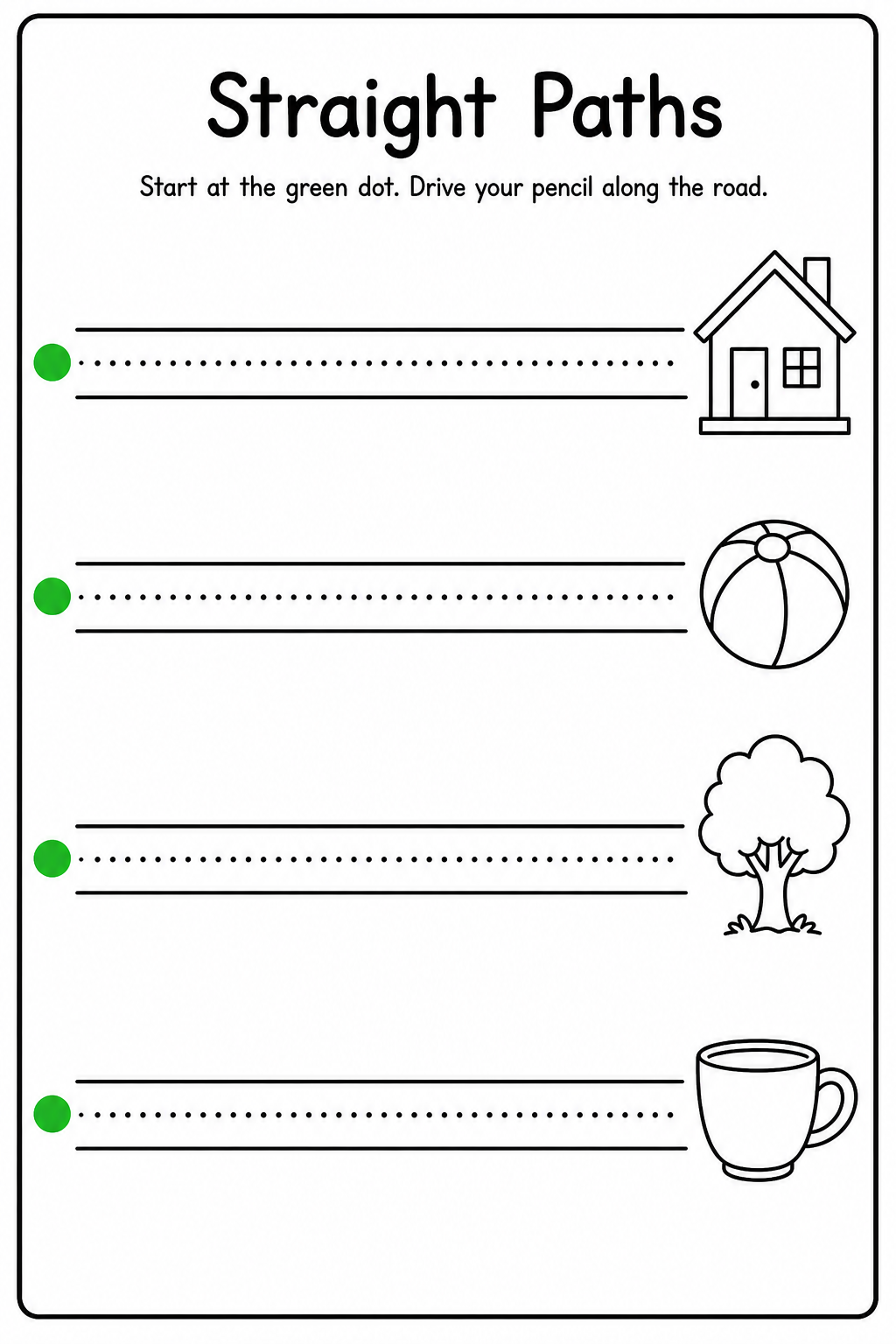 ⭐
Pencil Control Worksheets for Kids: Paths and Curves📄 Printable Worksheets · Age 3-4
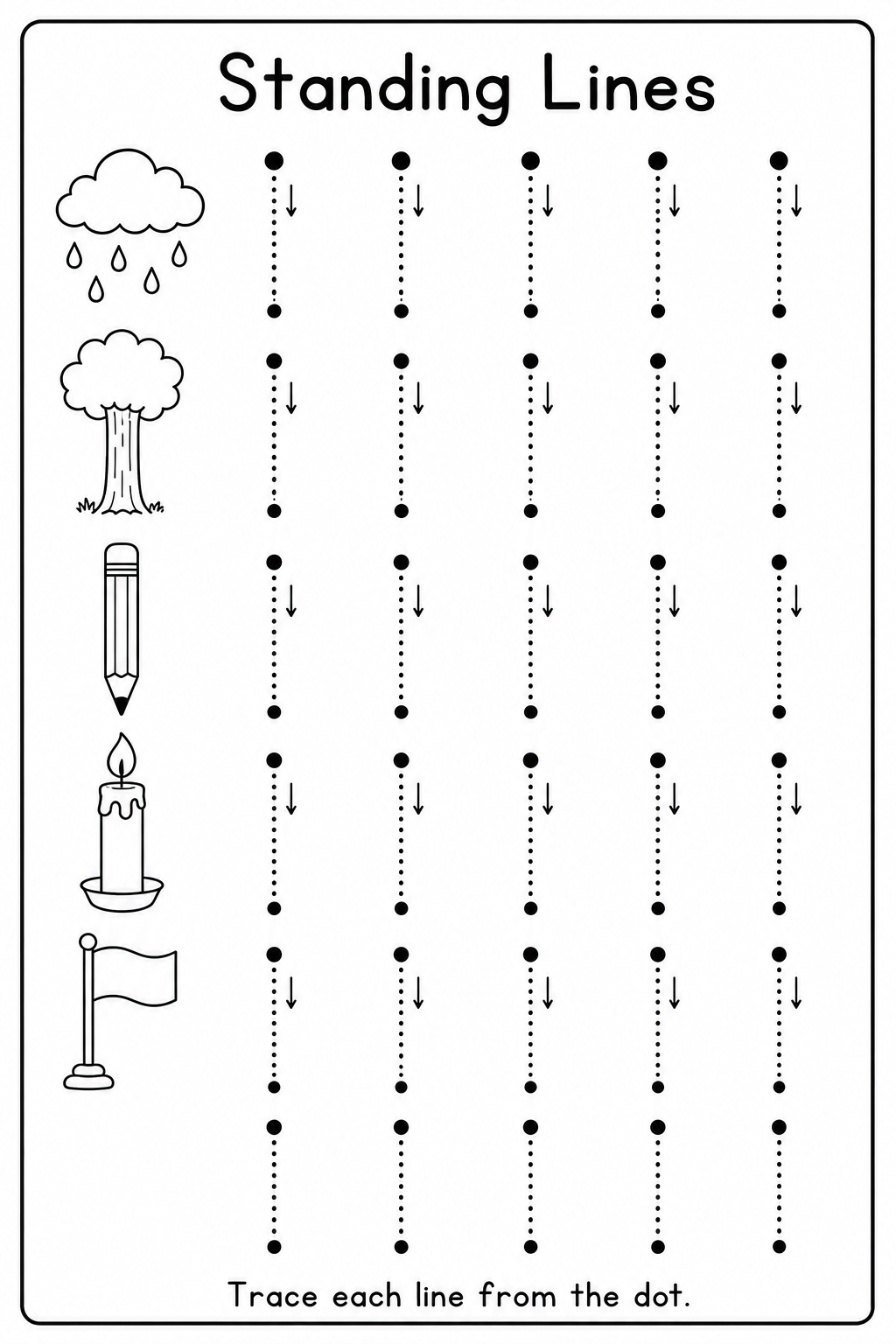 ⭐
Pre-Writing Lines Worksheets for Kids: Trace and Draw📄 Printable Worksheets · Age 3-4
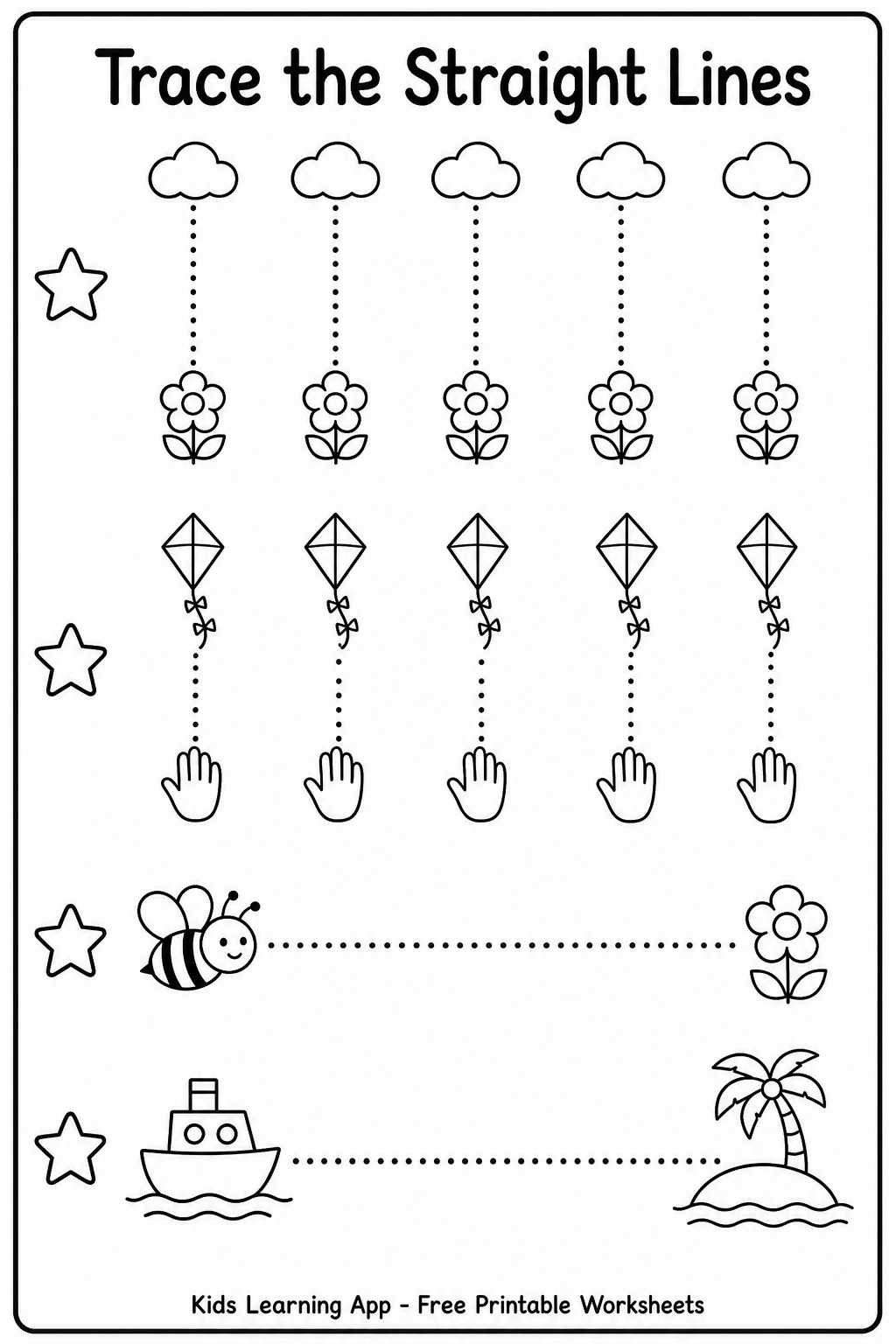 ⭐
Pre-Writing Lines Worksheets for Kids: Trace and Draw📄 Printable Worksheets · Age 3-4
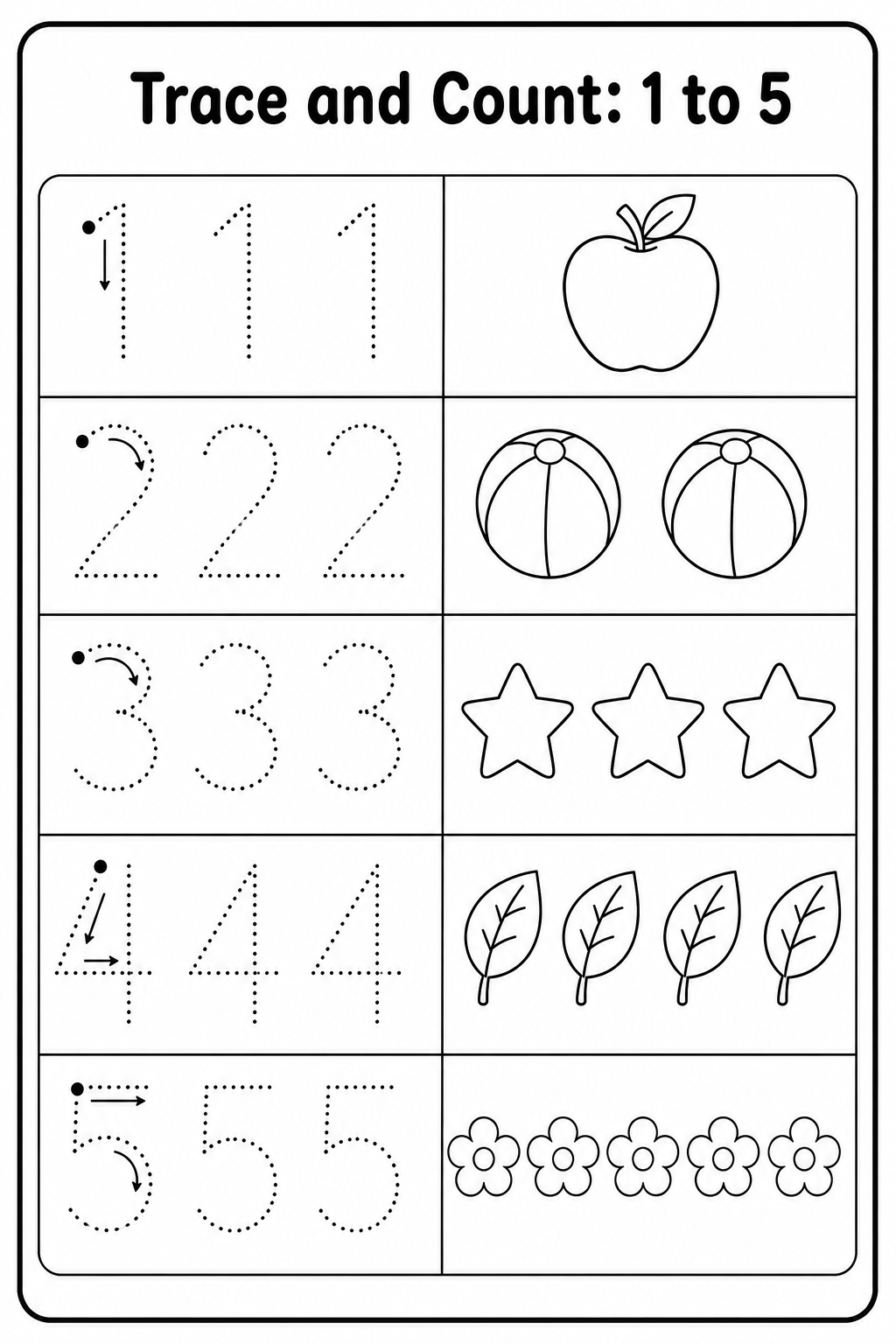 ⭐
Count and Trace Numbers 1-20 Worksheets for Kids📄 Printable Worksheets · Age 4-5
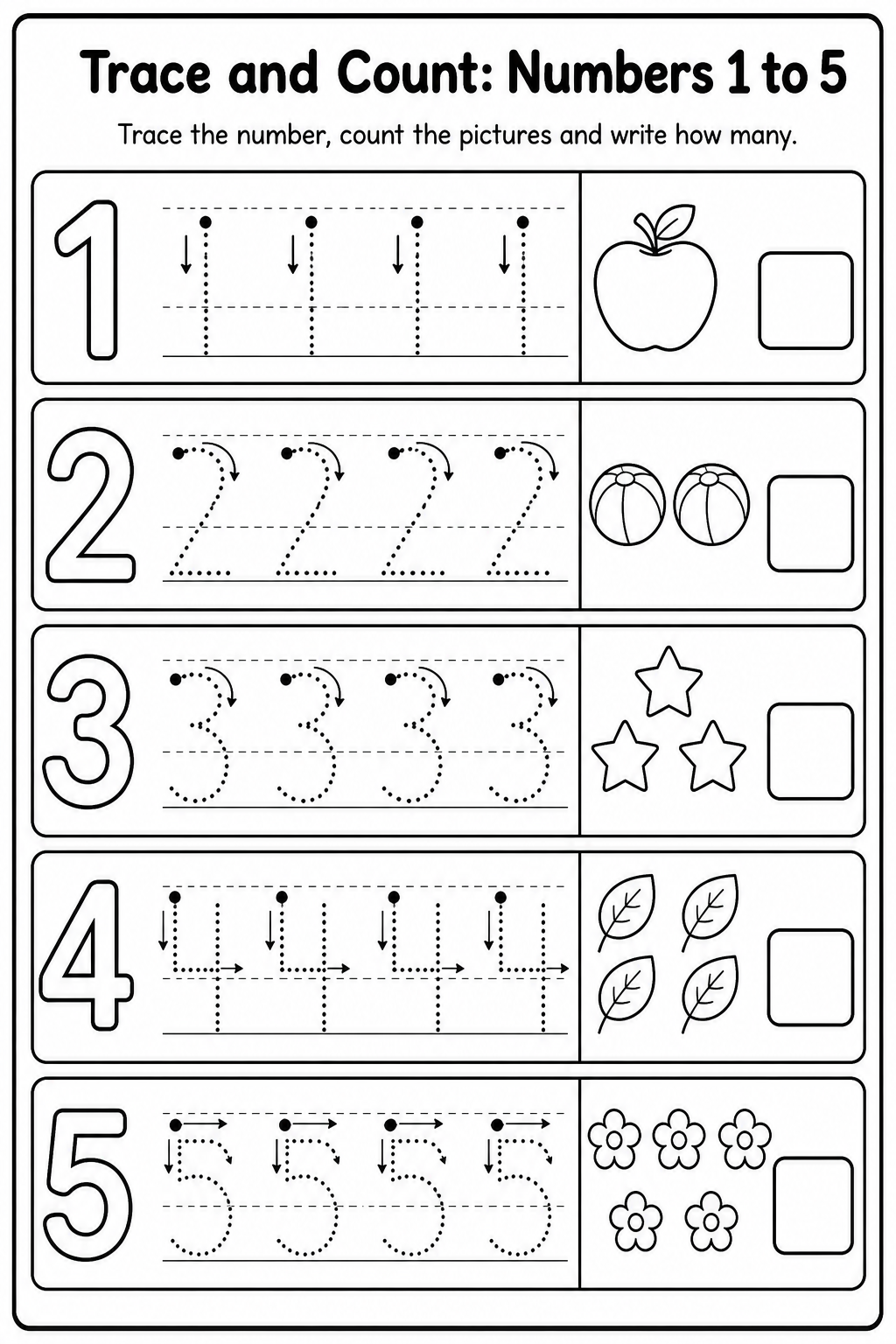 ⭐
Numbers 1 to 20 Worksheets for Kids: Trace and Count📄 Printable Worksheets · Age 4-5
More Alphabet activities
Updated 17 Nov 2026