Shapes Around Us: Spot and Name Everyday Shapes
Shapes are everywhere, from the round face of a clock to the rectangular door of your home. In this free shapes activity for kids, children look at friendly pictures and everyday objects, then choose the shape that matches each one.
Little learners tap or circle the correct shape and say its name out loud. It is a gentle, playful way for preschool and kindergarten children to build shape vocabulary, sharpen looking skills and connect classroom learning with the real world around them. Print it out or play it on screen.
How to play
- Look carefully at the picture or object shown on the screen or printable worksheet.
- Say the shape name out loud: circle, square, triangle, rectangle, oval, star, heart or diamond.
- Tap or colour the shape that matches the object you see.
- Finish the set, then walk around your room and find one real object for each shape.
This activity helps your child name and identify common two-dimensional shapes, no matter how big, small or turned around they appear. Children practise visual discrimination by noticing corners, sides and curves, and they grow a richer maths vocabulary by saying each shape name aloud. Spotting shapes in everyday objects links school learning to real life, which builds confidence and keeps attention strong. These early geometry skills also support reading, because children learn to see small differences in letter shapes. Try a short five-minute shape hunt at home afterwards to make the learning stick.
Frequently asked questions
What age is this shapes activity best for?
Is the shapes worksheet free to print?
How can I help my child who confuses squares and rectangles?
What should we do after finishing this activity?
More shapes
More Shapes activities
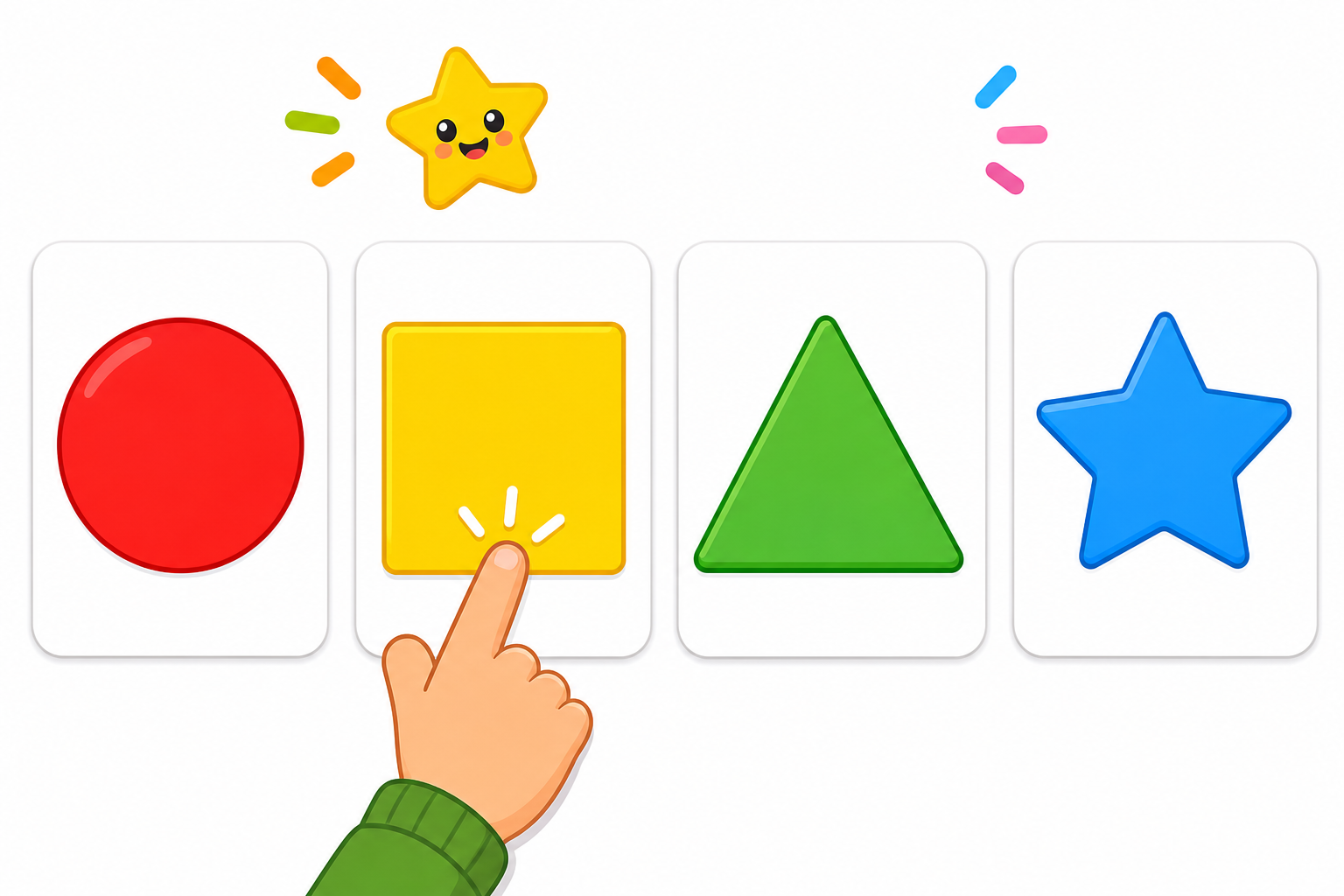 ⭐
Shape Match Game for Kids - Find Shapes Online🎮 HTML Games · Age 4-5
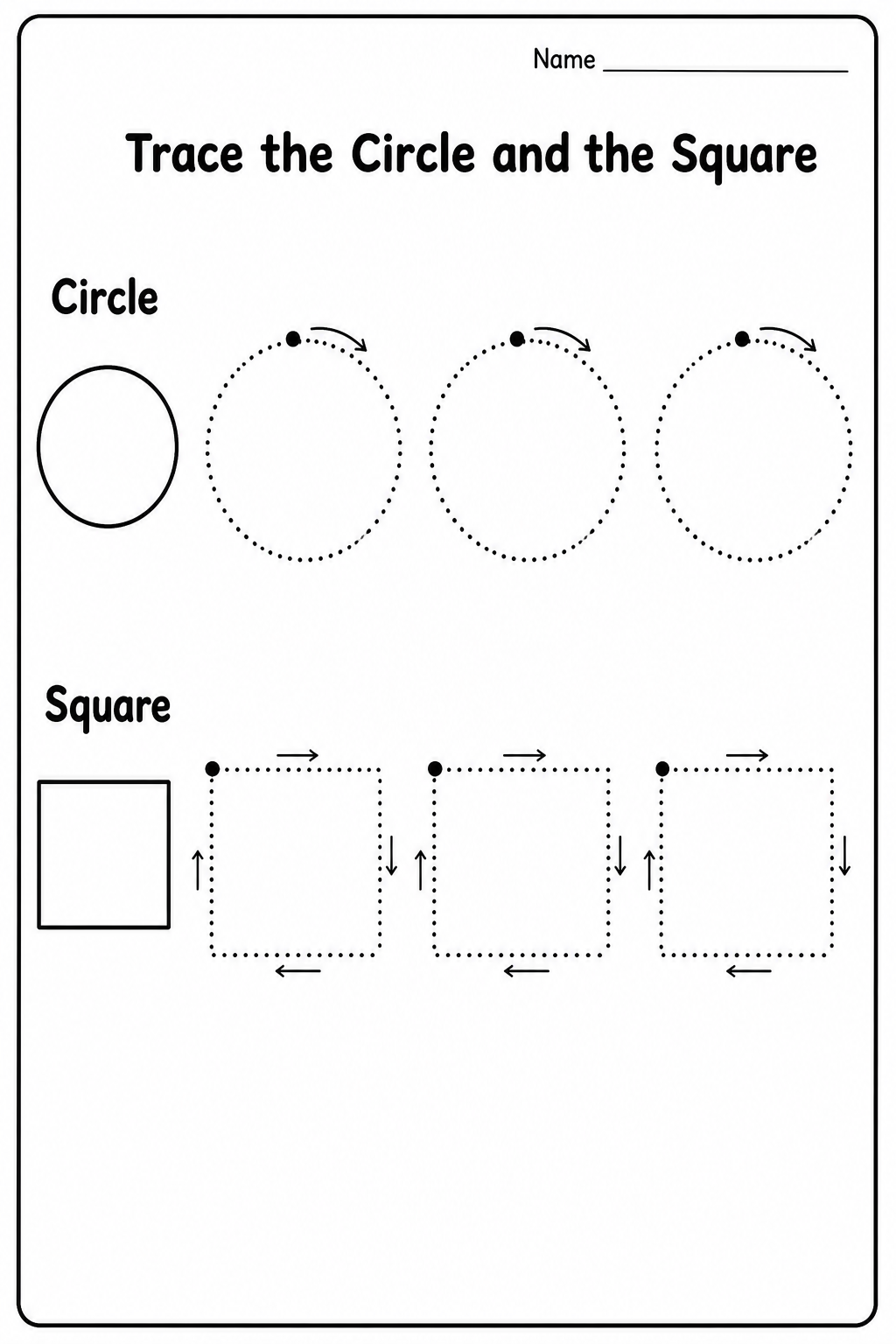 ⭐
Shapes Worksheets for Kids: Trace, Colour and Match📄 Printable Worksheets · Age 3-4
🔴⭐
Shape Patterns: What Comes Next? for Kids🔴 Patterns · Age 4-5
Updated 5 Nov 2026