Shape Patterns - What Comes Next?
Circles, triangles and squares love to line up in order! In this free pattern activity for kids, children look at a row of shapes, say the pattern out loud and choose the shape that comes next. Some rows repeat two shapes, like triangle-circle-triangle-circle. Others repeat three shapes or use a shape twice before changing.
Saying the pattern aloud, such as triangle, circle, triangle, circle, helps little learners hear the rhythm and predict the missing piece. It is a gentle, playful way to build early maths thinking at home or in a preschool classroom.
How to play
- Look at the row of shapes from left to right and read each one aloud.
- Clap or tap as you say the shapes to hear where the pattern repeats.
- Decide which shape should fill the blank, then tap or circle your answer from the options.
- Check the answer and try the next row. Make your own pattern with blocks or buttons at the end.
Pattern work is one of the first steps towards real mathematical thinking. When your child names a repeating unit and predicts what comes next, they are practising observation, sequencing, logical reasoning and early algebra ideas, all without any numbers. They also revise shape names such as circle, triangle, square and diamond, which supports geometry later on. Speaking the pattern aloud builds vocabulary and listening skills too. At home, extend the learning by making patterns with spoons, bangles, leaves or coloured blocks, and ask your child to explain the rule in their own words. Short, cheerful practice of five minutes works best.
Frequently asked questions
What age is this shape pattern activity best for?
How do I explain a pattern to my child?
Can I print this pattern worksheet?
Why are patterns important in early maths?
More patterns
More Shapes activities
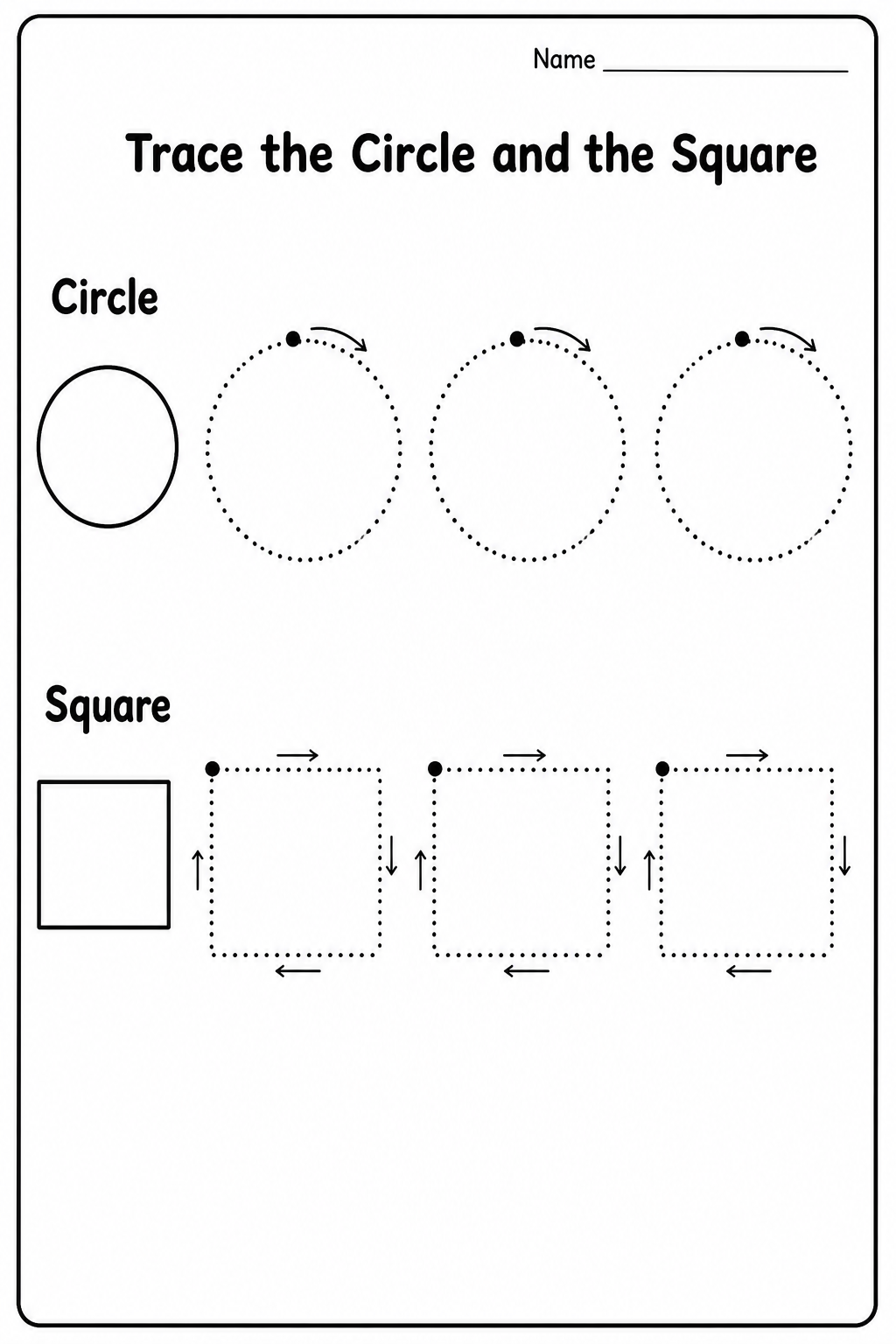 ⭐
Shapes Worksheets for Kids: Trace, Colour and Match📄 Printable Worksheets · Age 3-4
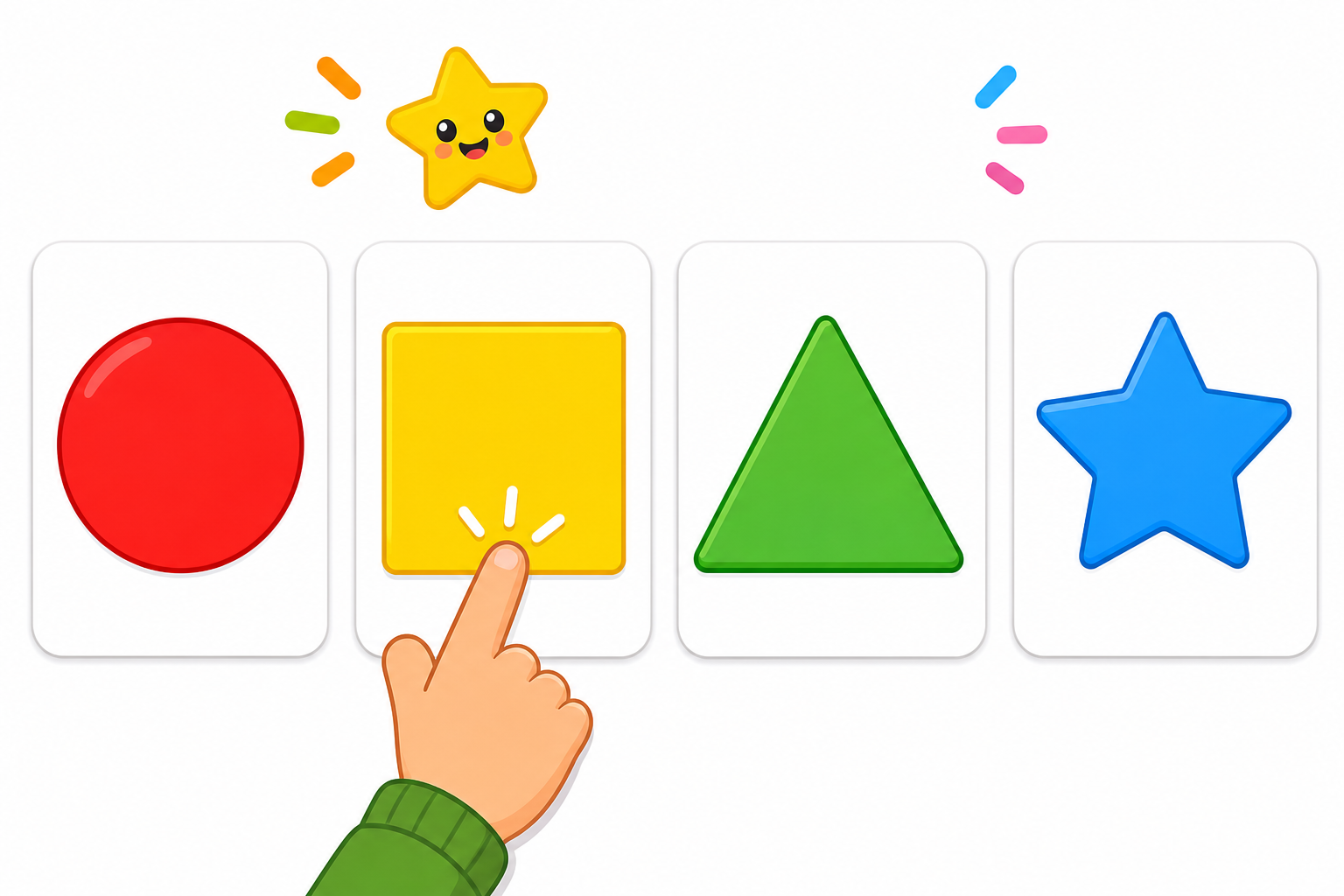 ⭐
Shape Match Game for Kids - Find Shapes Online🎮 HTML Games · Age 4-5
🔺⭐
Trace the Shapes🔺 Shapes · Age 3-4
🪞⭐
Copy the Heart – Symmetry Grid🪞 Copy the Picture · Age 5-6
🔺⭐
Find the Shapes🔺 Shapes · Age 3-4
Updated 1 Nov 2026