Put the Numbers 11 to 20 in the Right Order
Counting to ten is a big win, but the teen numbers can feel tricky. Eleven, twelve, thirteen... they do not always sound the way they are written! This free number order activity for kids gives plenty of friendly practice with the numbers 11 to 20.
In each round, your child sees a small set of mixed-up numbers and arranges them from smallest to biggest. Rounds are short, so little learners stay happy and focused. It works well at home, in the classroom, or as a quick warm-up before a maths worksheet.
How to play
- Look at the numbers on the screen and read each one out loud.
- Find the smallest number first and place it at the start.
- Keep adding the next biggest number until the whole row is in order from 11 to 20.
- Check your answer, then press start again for a brand new round.
This activity helps children move beyond rote counting into real number sense. By ordering the numbers 11 to 20, your child learns that each number has a fixed place in the counting sequence, and begins to notice the pattern of a ten plus some ones. Children practise reading two-digit numerals, comparing which is smaller or bigger, and self-correcting when a number looks out of place. These skills support later work in addition, subtraction and place value. Try asking your child to say the row aloud afterwards, or to name the number that comes just before or just after a chosen number.
Frequently asked questions
What age is this number ordering activity for?
Why do children find teen numbers difficult?
Is this activity free to use?
How can I support my child while they play?
More number order
More Numbers activities
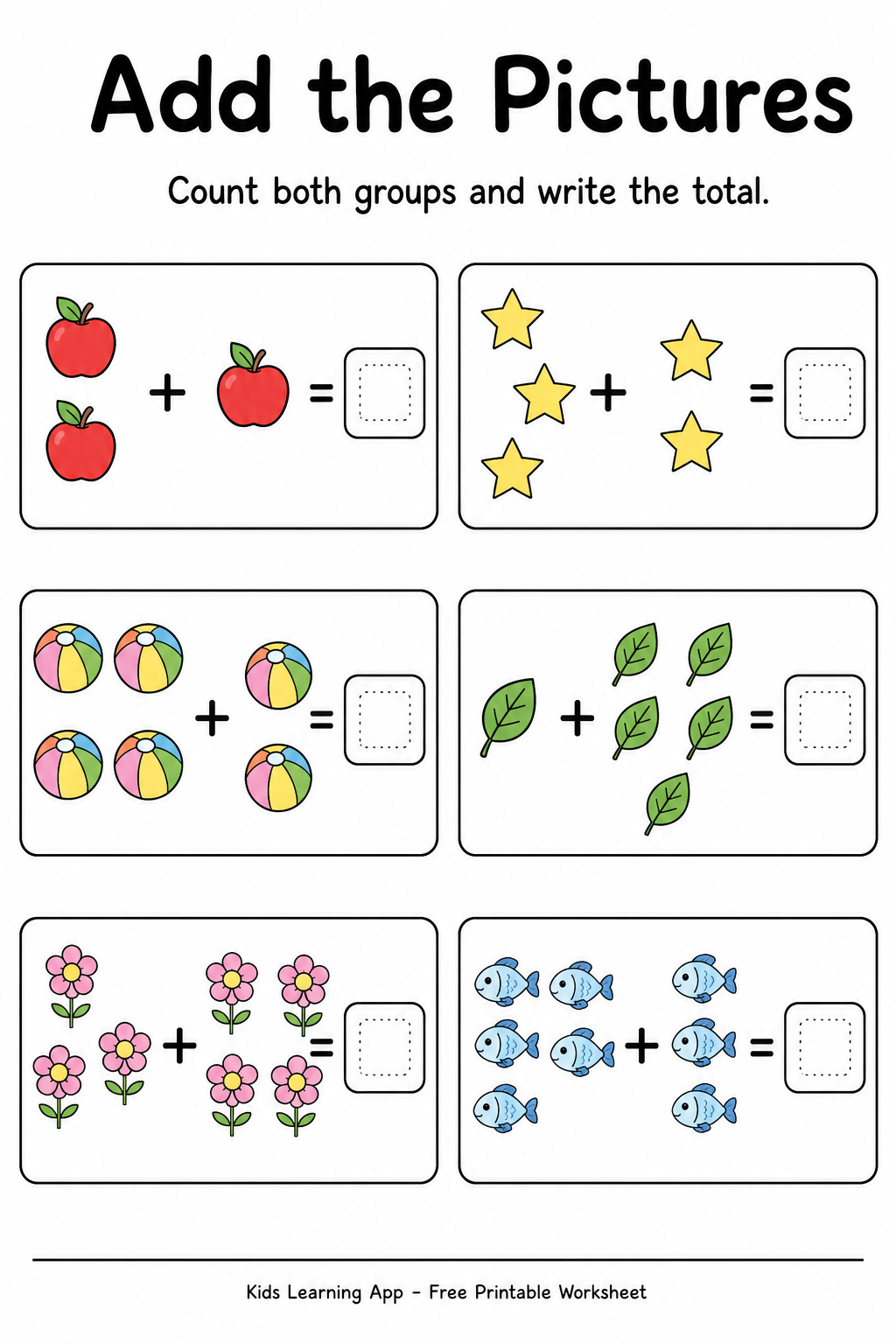 ⭐
Addition Within 10 Worksheets for Kids📄 Printable Worksheets · Age 5-6
🏆⭐
Maths Star Certificate for Kids🏆 Certificates & Stars · Age 5-6
⏱️⭐
Times Tables Speed Drill for Kids⏱️ Mental Maths Drill · Age 8-10
🔟⭐
Number Bonds to 5 for Kids🔟 Ten Frames & Number Bonds · Age 4-5
⚖️⭐
Even or Odd Numbers 1 to 10 Quiz for Kids⚖️ Even and Odd · Age 5-6
🐸⭐
Skip Counting by 10s, 25s and 100s for Kids🐸 Skip Counting · Age 6-8
🧮⭐
Read 3-Digit Numbers from Place Value Blocks for Kids🧮 Place Value Blocks · Age 6-8
📏⭐
Number Line 0 to 100 by Tens for Kids📏 Number Line · Age 6-8
Updated 5 Nov 2026