Cursive Alphabet Worksheets for Kids: Trace and Write A to Z
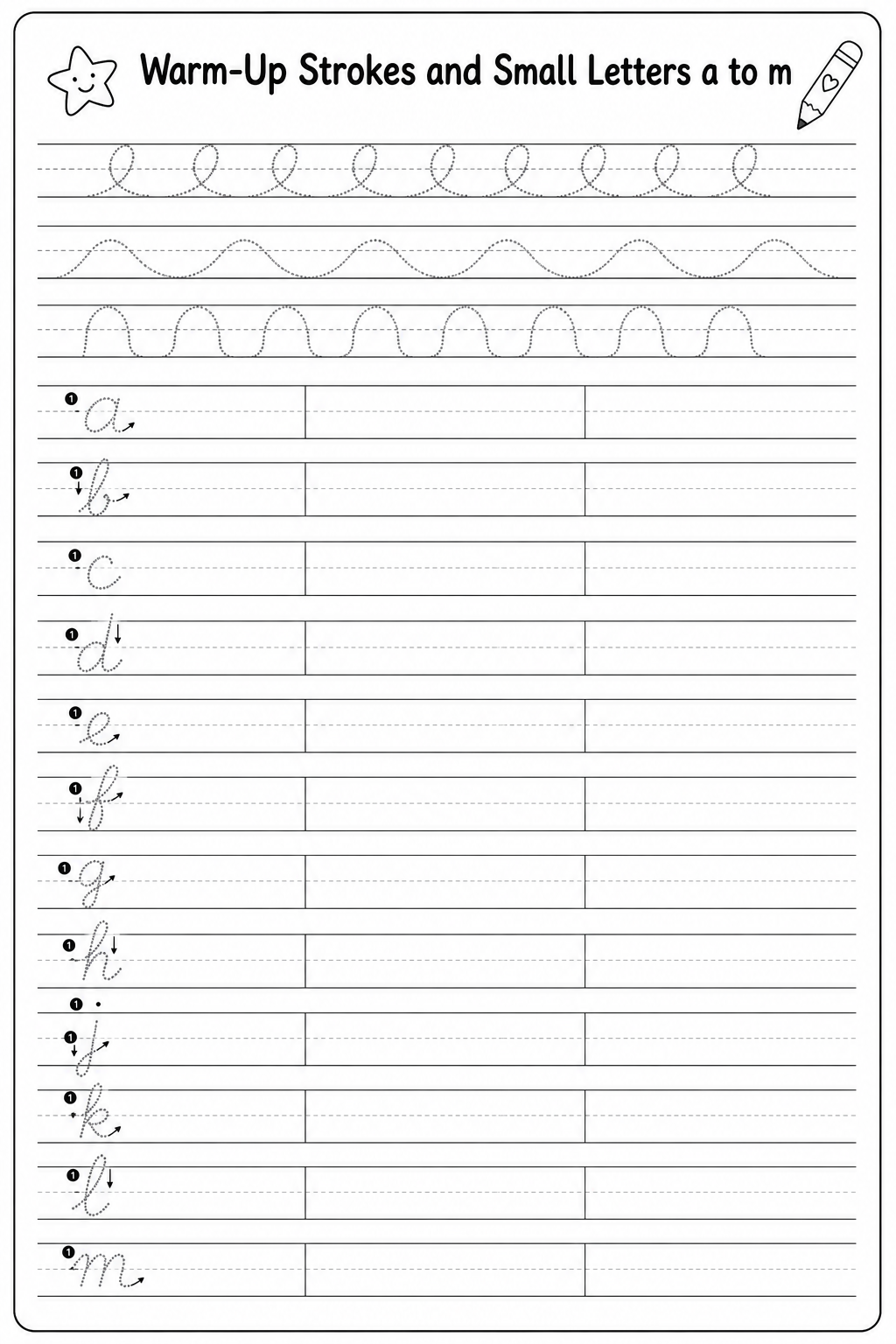
These free printable cursive alphabet worksheets help children move from printing letters to smooth, joined handwriting. Each page uses four clear guide lines, grey dotted letters to trace and open space to write independently. Kids begin with easy warm-up strokes, then practise small letters a to z, capital letters A to Z, and finally join letters to form simple words.
The pages are A4 portrait, black and white, and print easily at home or in a classroom. Teachers can use one page a day as handwriting practice, while parents can print the set again whenever a child needs extra revision.
How to play
- Print the worksheet pages on A4 paper and give your child a sharp pencil with an eraser.
- Start with the warm-up strokes page, moving the pencil in one flowing motion without lifting it.
- Trace each grey dotted letter from the starting dot, then write the letter on your own in the blank spaces.
- Finish with the joining page, linking letters smoothly to write short cursive words.
Cursive writing builds fine motor control, pencil grip strength and left-to-right flow across the page. As your child traces each letter from the correct starting point, they learn letter shapes as single continuous movements rather than separate strokes, which makes writing faster and neater over time. Joining letters also supports spelling, because common letter patterns become familiar to the hand as well as the eye. Short, regular practice works best: ten quiet minutes a day is more helpful than one long session. Praise effort and steady lines rather than perfection, and let your child reprint any page they would like to try again.
Frequently asked questions
What age is right for learning cursive writing?
Should my child learn small letters or capitals first?
How many pages should we do in one sitting?
Are these cursive worksheets free to print?
How can I help a left-handed child with cursive?
More printable worksheets
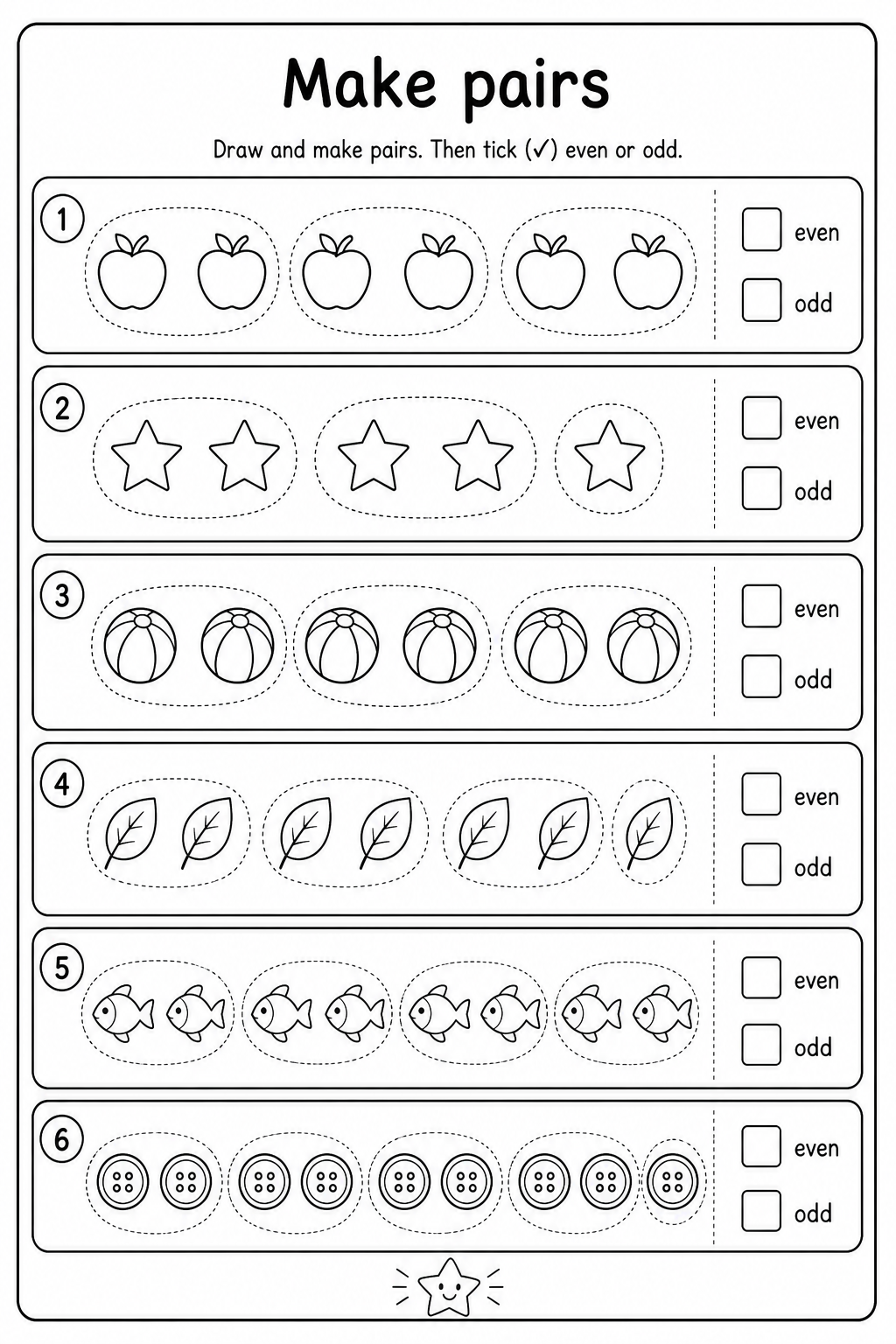 ⭐
Odd and Even Numbers Worksheets for Kids📄 Printable Worksheets · Age 6-8
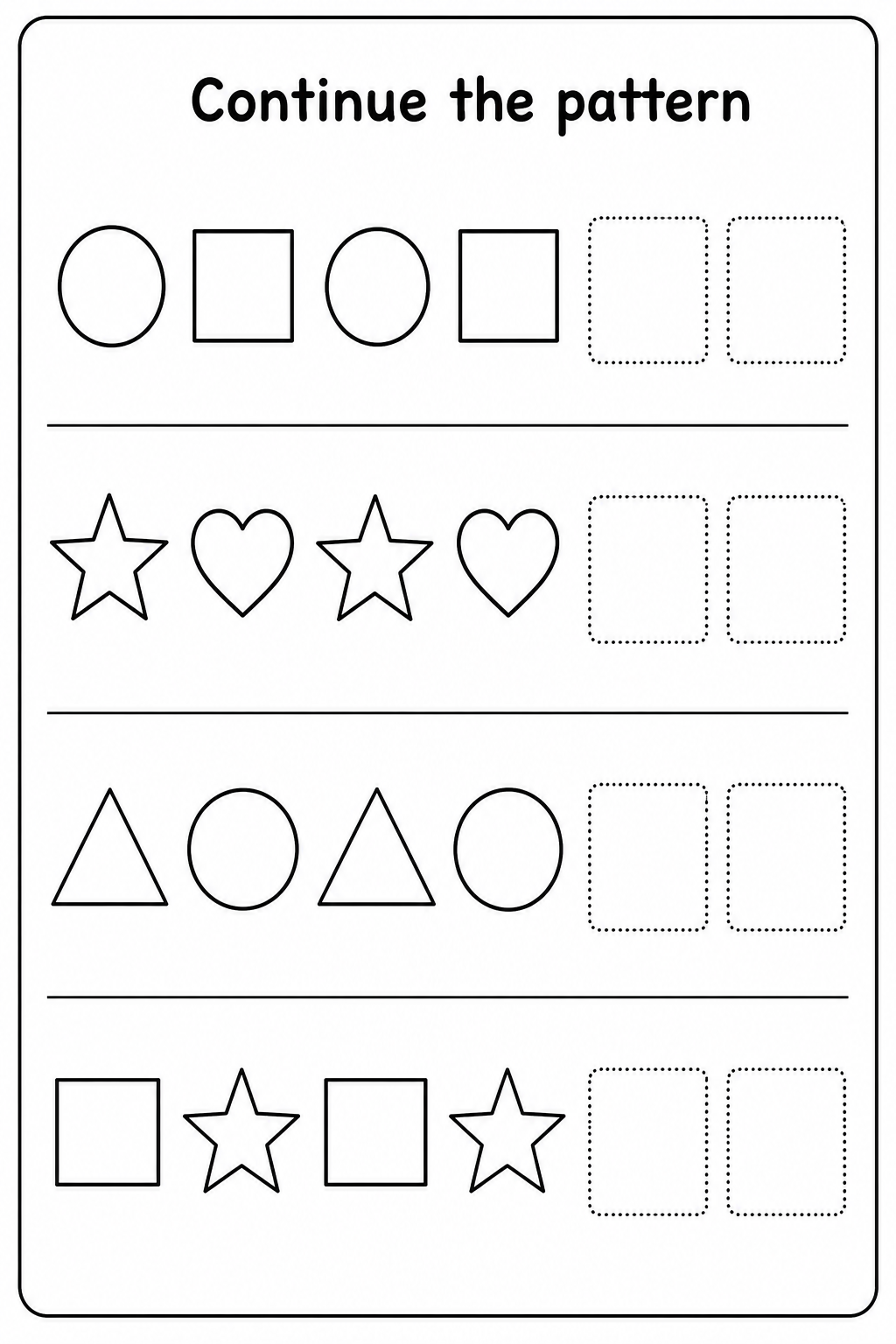 ⭐
Pattern Worksheets for Kids: Complete the Pattern📄 Printable Worksheets · Age 4-5
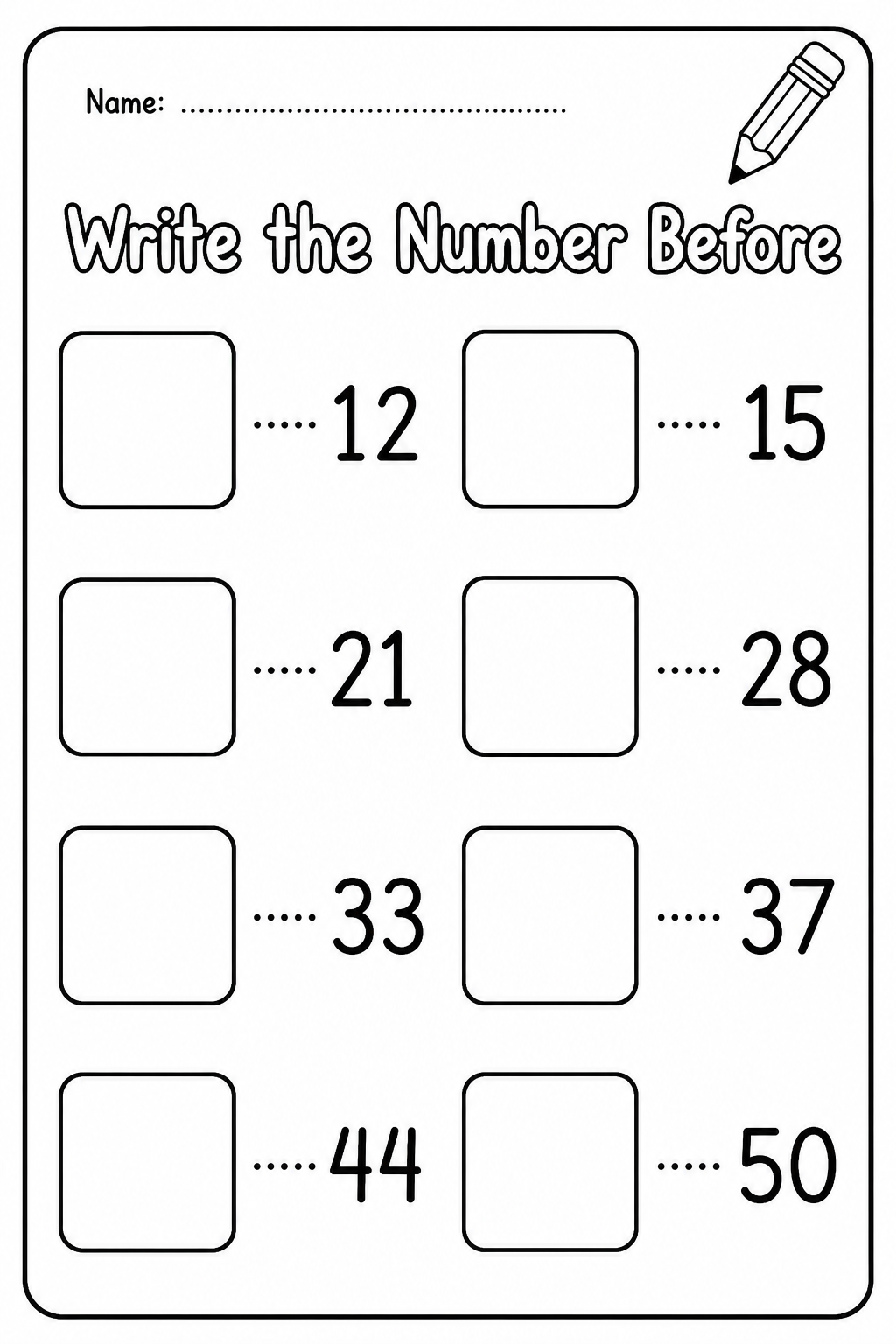 ⭐
Before and After Numbers Worksheets for Kids📄 Printable Worksheets · Age 5-6
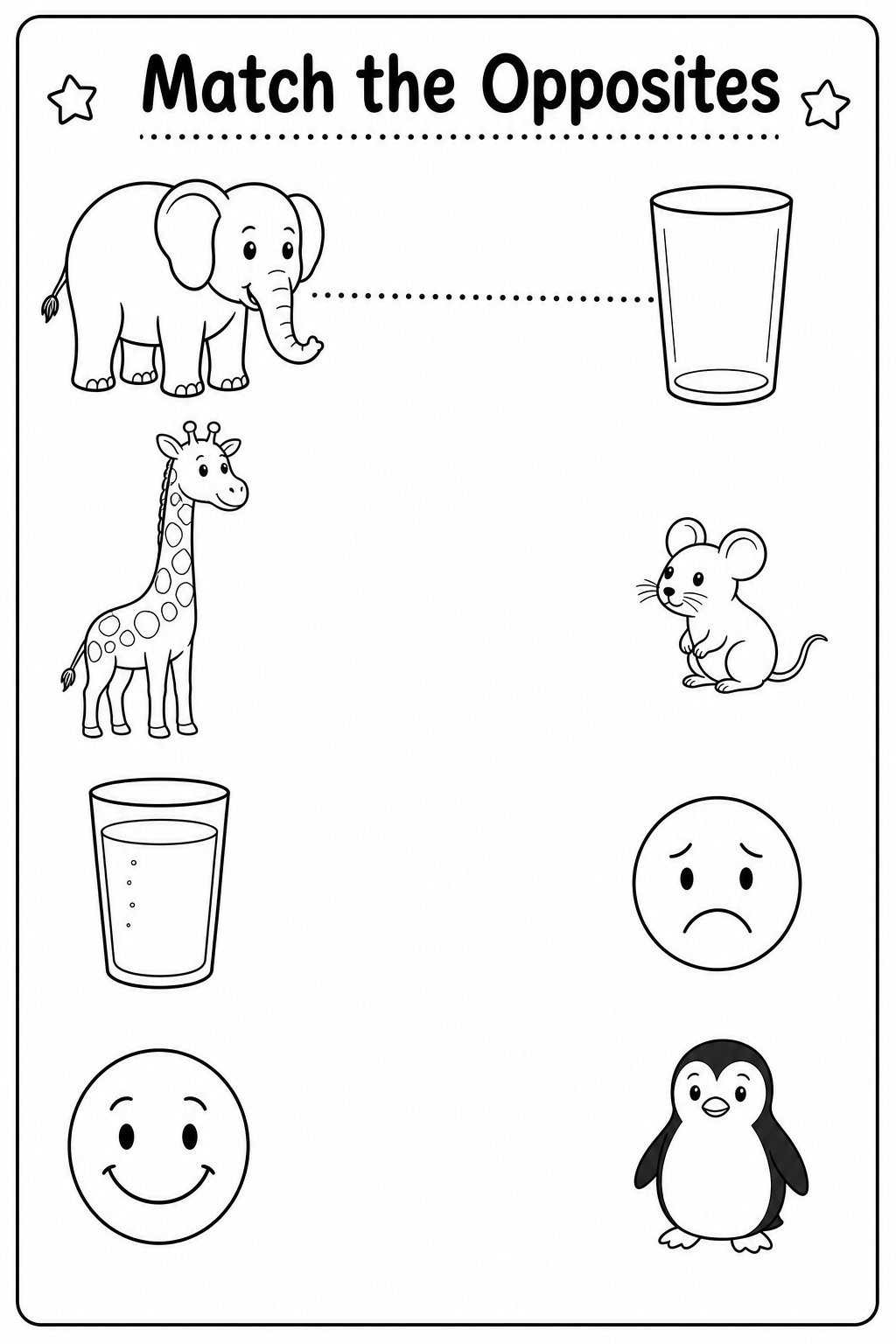 ⭐
Opposites Worksheets for Kids: Match and Colour📄 Printable Worksheets · Age 4-5
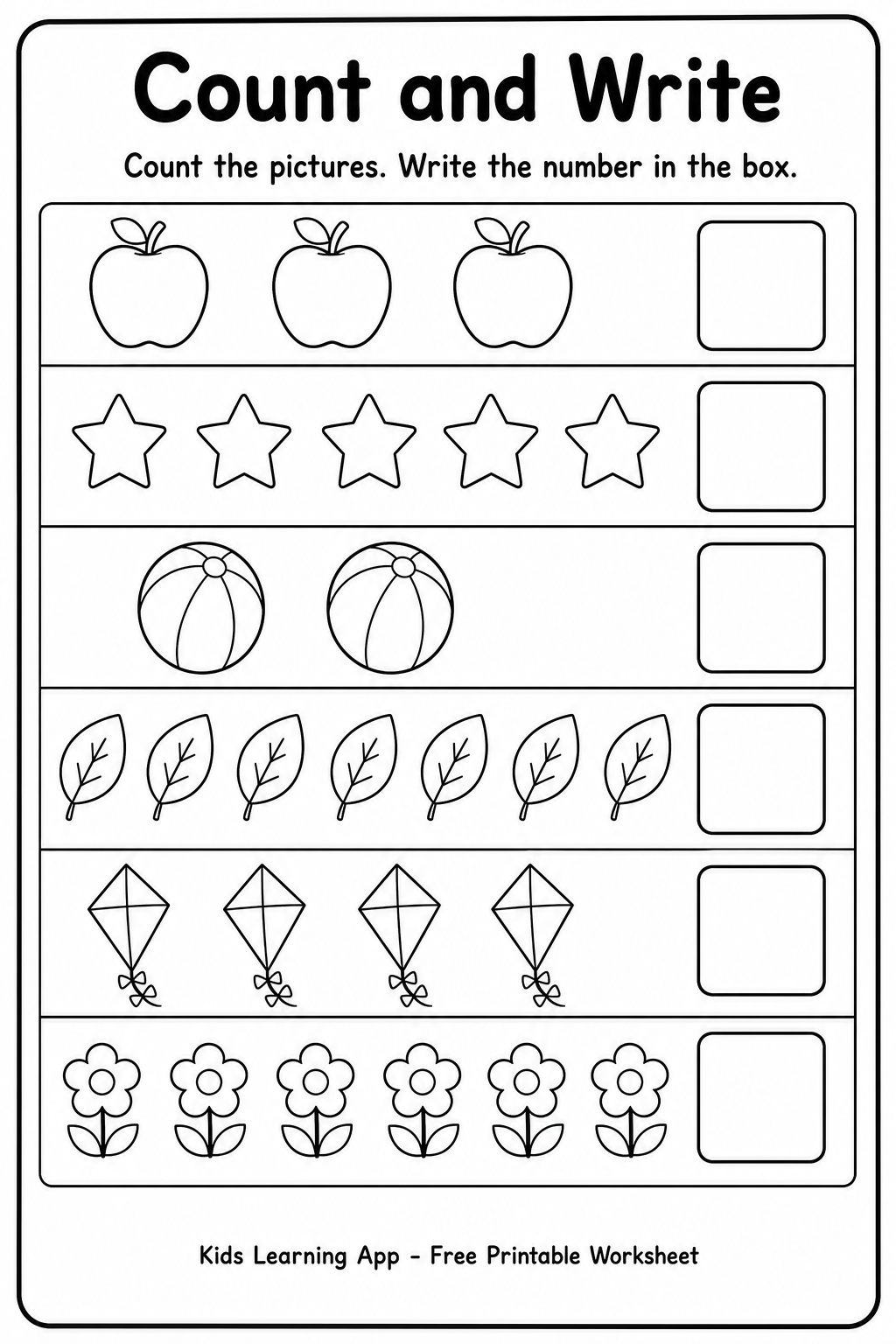 ⭐
Class 2 Worksheets for Kids: Count, Write and Match📄 Printable Worksheets · Age 4-5
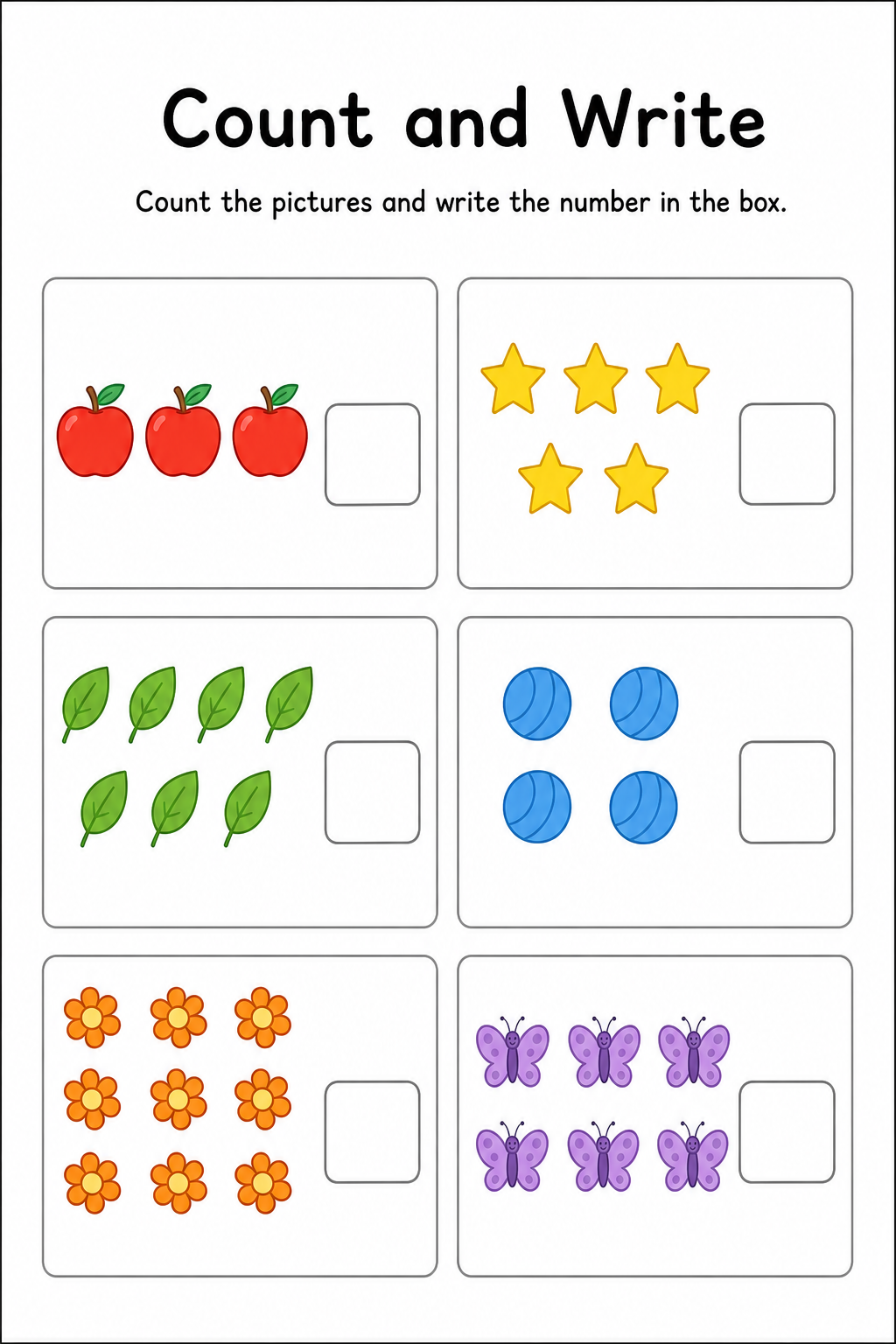 ⭐
Class 1 Worksheets for Kids: Count, Match and Trace📄 Printable Worksheets · Age 4-5
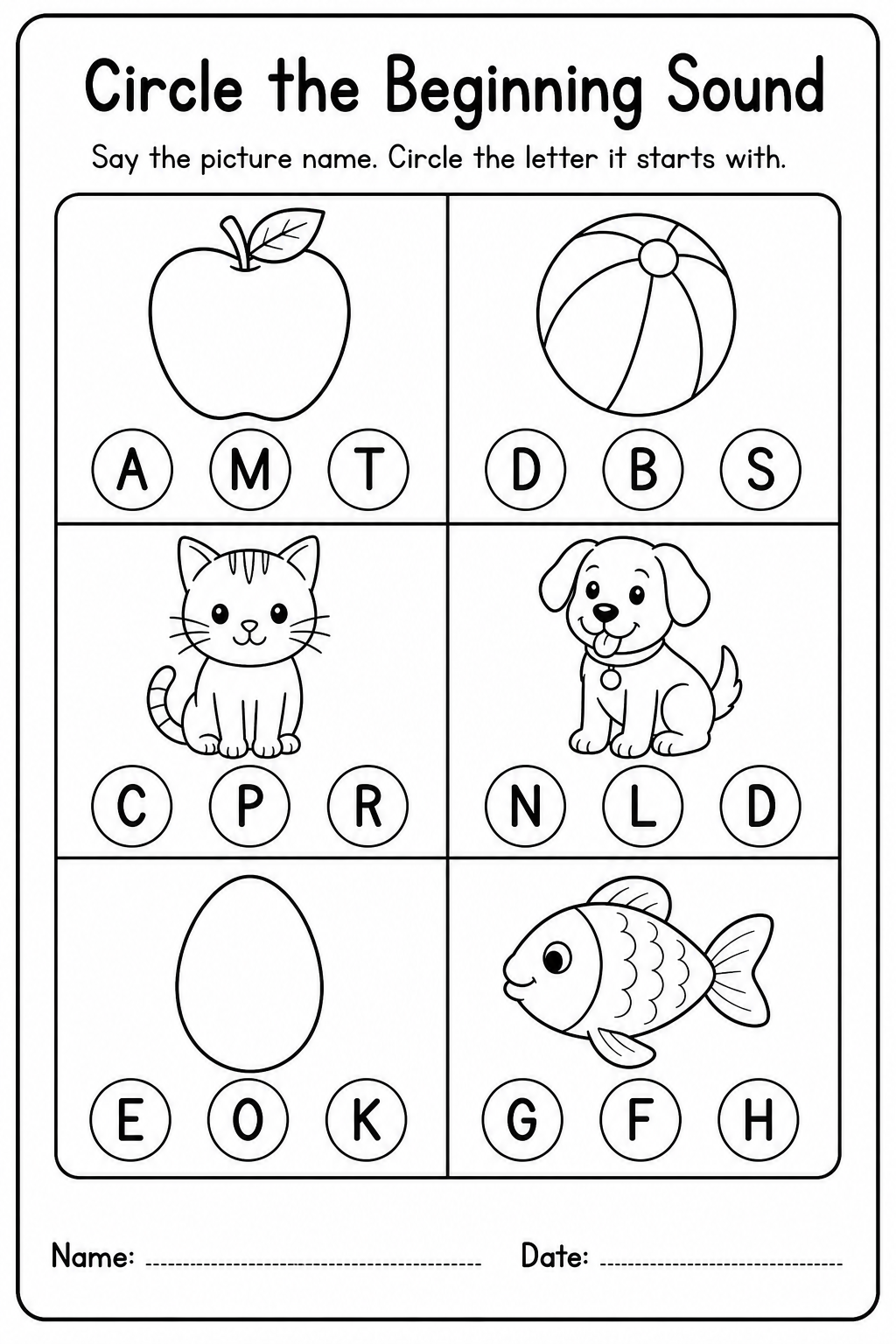 ⭐
Beginning Sounds Worksheets for Kids: Circle and Trace📄 Printable Worksheets · Age 4-5
 ⭐
Class 1 Worksheets for Kids: Letters, Numbers, Shapes📄 Printable Worksheets · Age 4-5
More Alphabet activities
Updated 14 Nov 2026