Label the Parts of a Flower
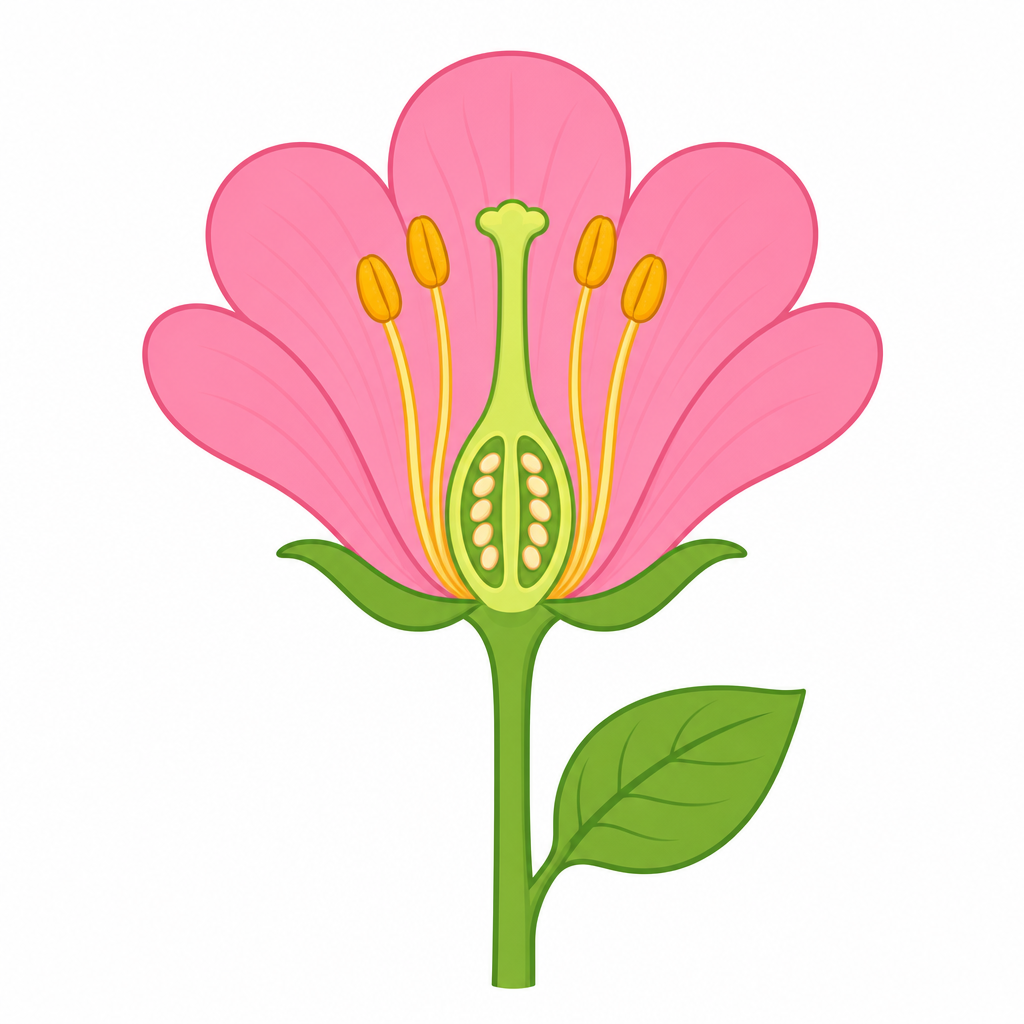
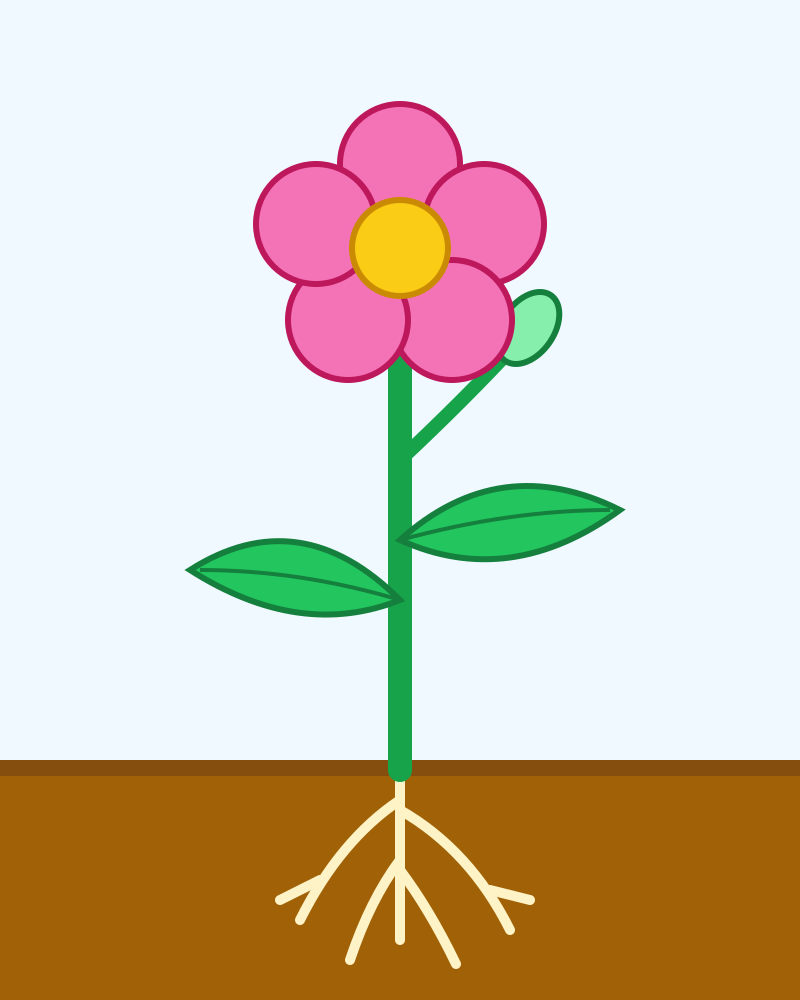
A flower is much more than pretty petals. Inside every bloom there are special parts that help a plant make seeds and grow new plants. In this free Parts of a Flower labelling activity, children see a clear diagram with no words on it and add the correct name to each part — petal, sepal, stamen, pistil, stem and leaf.
It is a calm, screen-friendly way to practise plant science at home or in class, and it fits perfectly before or after a nature walk, a garden visit or a printable plant worksheet.
How to play
- Look carefully at the flower diagram and find the first marked part, such as a petal.
- Click or tap the dot on that part and type its name.
- Carry on until every dot has a label — petal, sepal, anther, filament, stigma, style, ovary, stem and leaf.
- Check your answers, then try the activity again to name all the parts faster.
This activity helps your child move from simply looking at a flower to understanding how it works. While labelling, children learn the names of the outer parts (petal, sepal, stem and leaf) and the inner reproductive parts (stamen with anther and filament, and pistil with stigma, style and ovary). They also build useful science skills: reading a diagram, matching words to pictures, and spelling subject vocabulary correctly. It supports primary and middle-school plant topics and is a helpful revision tool before a test. For extra learning, open a real flower together at home and point to the same parts.
Frequently asked questions
What are the main parts of a flower?
What is the difference between the stamen and the pistil?
What age group is this flower labelling activity for?
Can we use this with a real flower at home?
Does this activity match school science lessons?
More label the diagram
 ⭐
 ⭐
 ⭐
 ⭐
 ⭐
Updated 5 Nov 2026