Bigger or Smaller: Compare Two Numbers up to 20
Which number is bigger, 12 or 7? In this free activity, children see two numbers side by side with a friendly animal picture and choose the one that is bigger or smaller. The question changes each time, so kids must read carefully before tapping.
Numbers stay between 1 and 20, which makes this a gentle step from counting to real number comparison. It works well for preschool and early primary learners, and it is a quick five-minute warm-up for maths lessons at home or in the classroom.
How to play
- Read the question at the top. It will ask for the bigger number or the smaller number.
- Look at the two numbers next to the animal picture and say them out loud.
- Tap the number that answers the question.
- Keep going through all the pairs and try to finish without a single miss.
Comparing numbers is one of the first big ideas in maths, and it builds the base for addition, subtraction, place value and later for greater-than and less-than symbols. In this activity your child practises reading two-digit and single-digit numerals, holding both in mind, and deciding which value is larger or smaller. Switching between "bigger" and "smaller" questions also strengthens listening and careful reading, so children do not answer on autopilot. You can extend the learning by asking "How many more?" after each pair, or by letting your child draw that many dots to check the answer.
Frequently asked questions
What age is this bigger or smaller activity for?
My child counts well but cannot compare numbers. What should I do?
Does this activity teach the greater than and less than signs?
Is this activity free and can I use it in my classroom?
More bigger or smaller
More Numbers activities
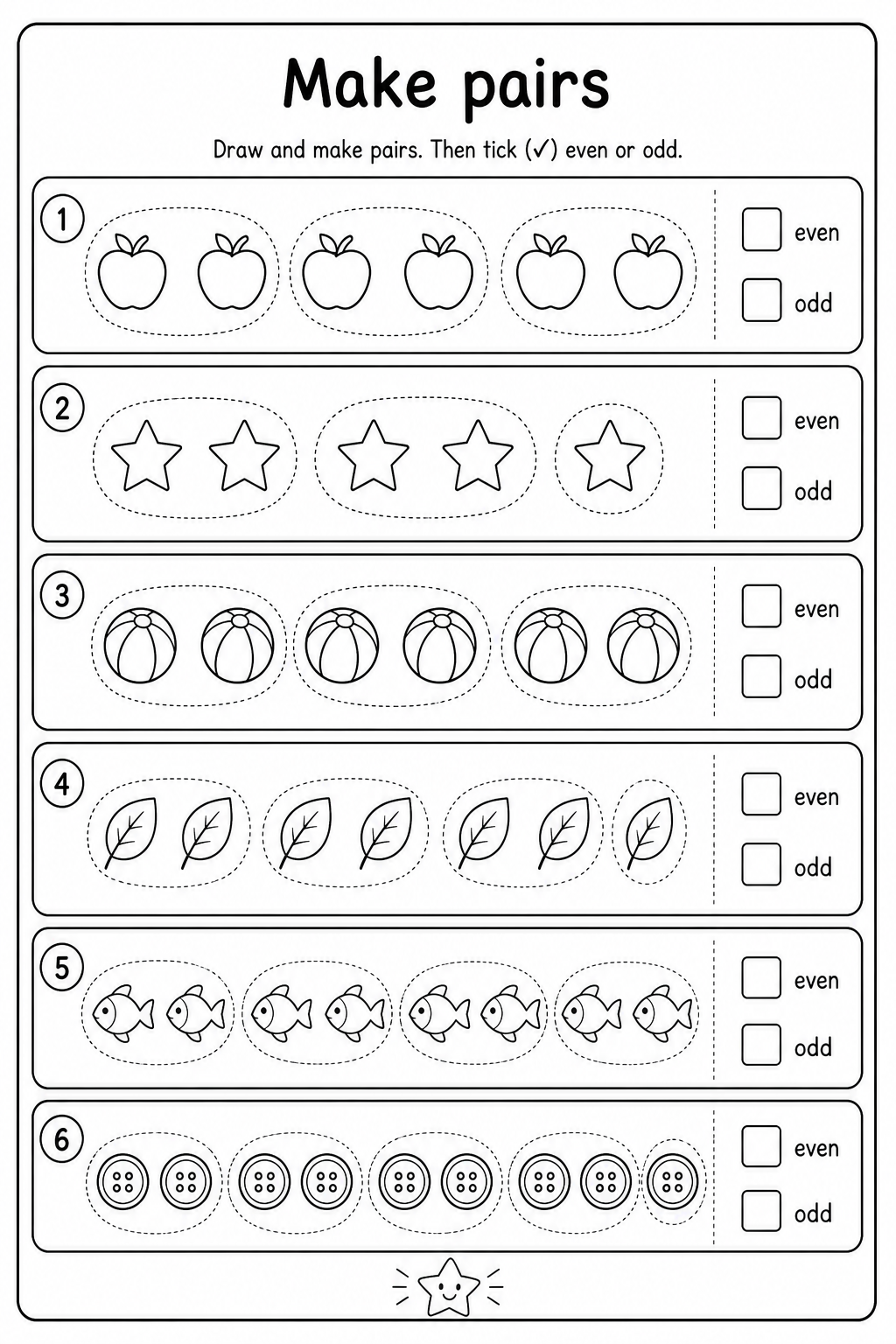 ⭐
Odd and Even Numbers Worksheets for Kids📄 Printable Worksheets · Age 6-8
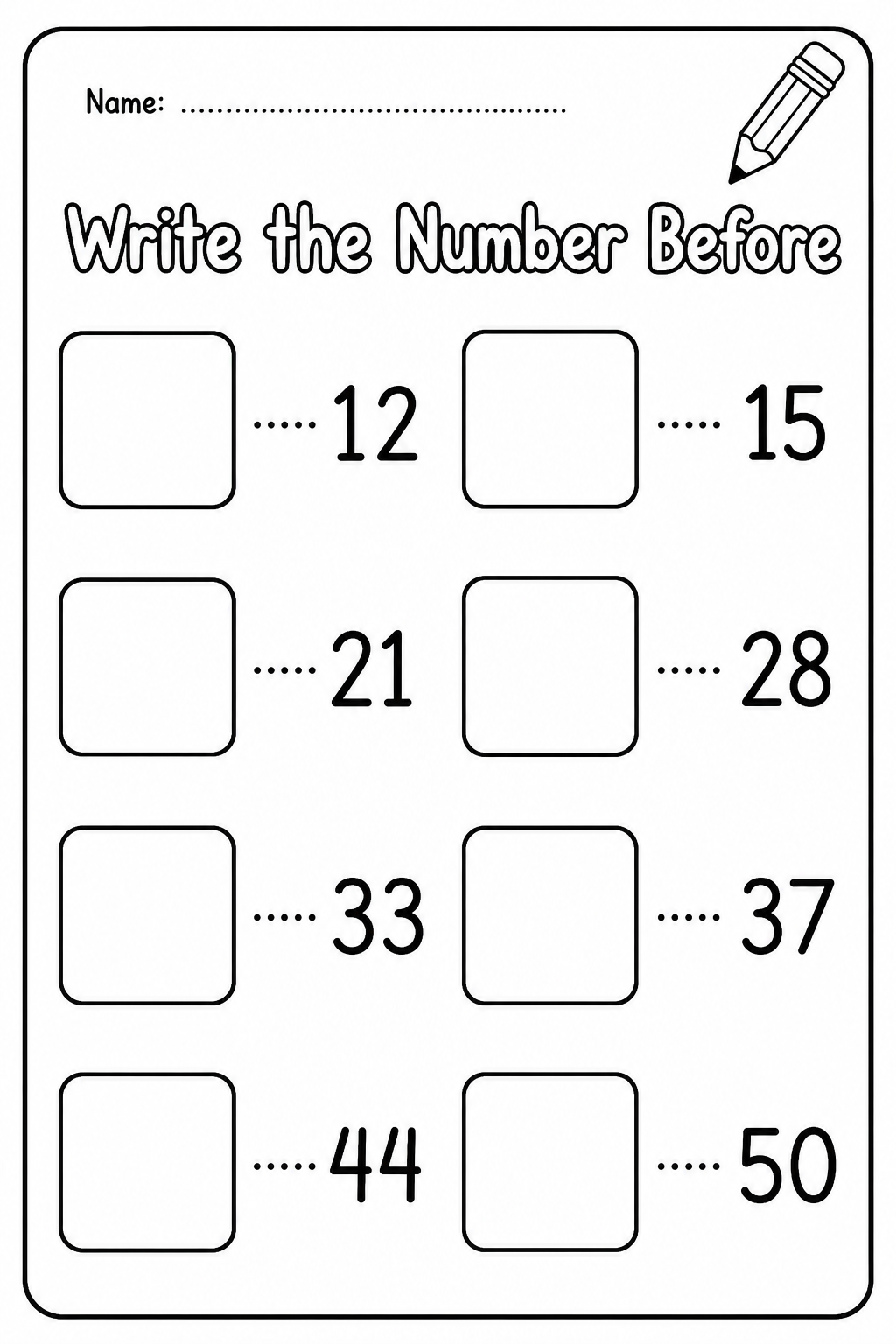 ⭐
Before and After Numbers Worksheets for Kids📄 Printable Worksheets · Age 5-6
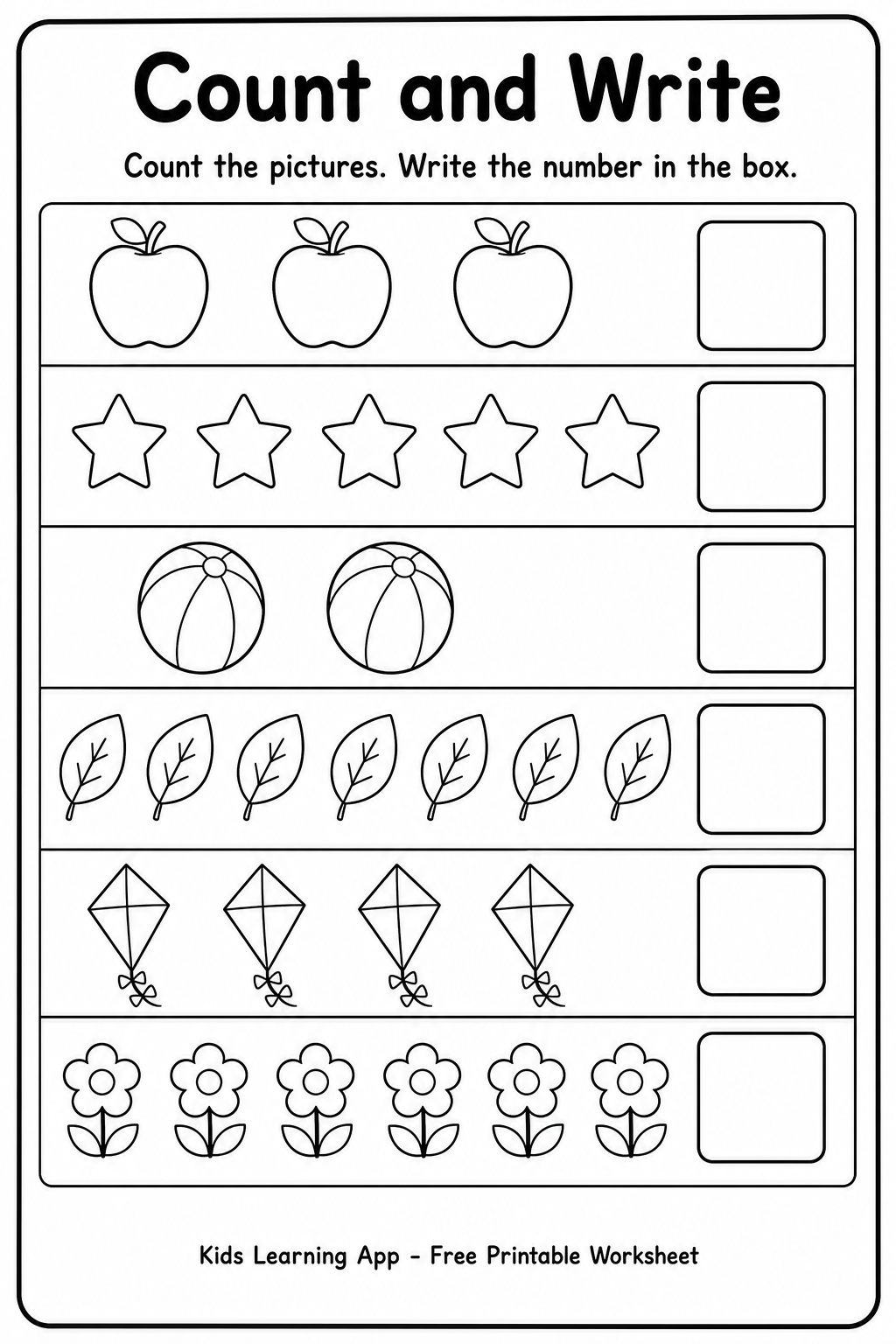 ⭐
Class 2 Worksheets for Kids: Count, Write and Match📄 Printable Worksheets · Age 4-5
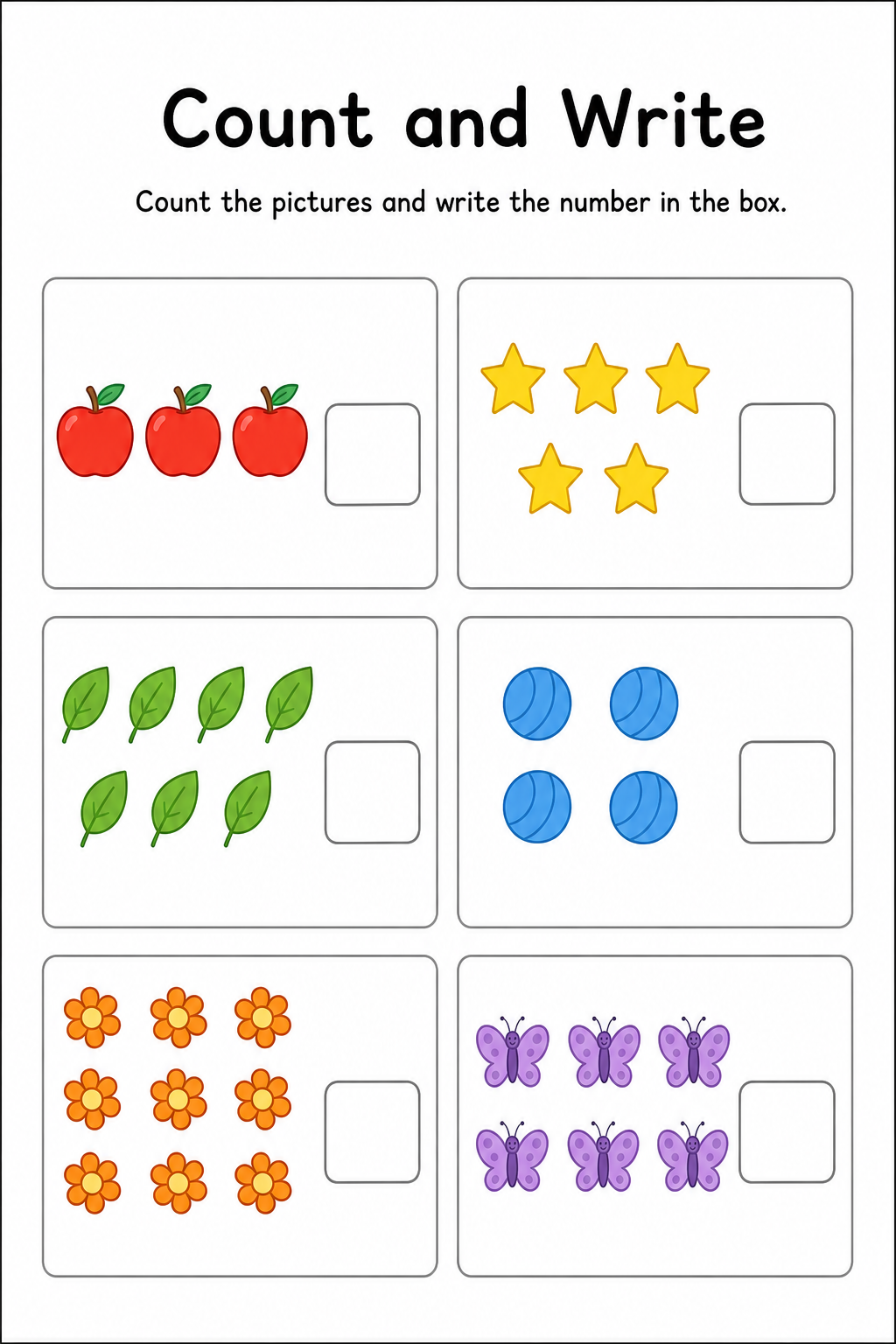 ⭐
Class 1 Worksheets for Kids: Count, Match and Trace📄 Printable Worksheets · Age 4-5
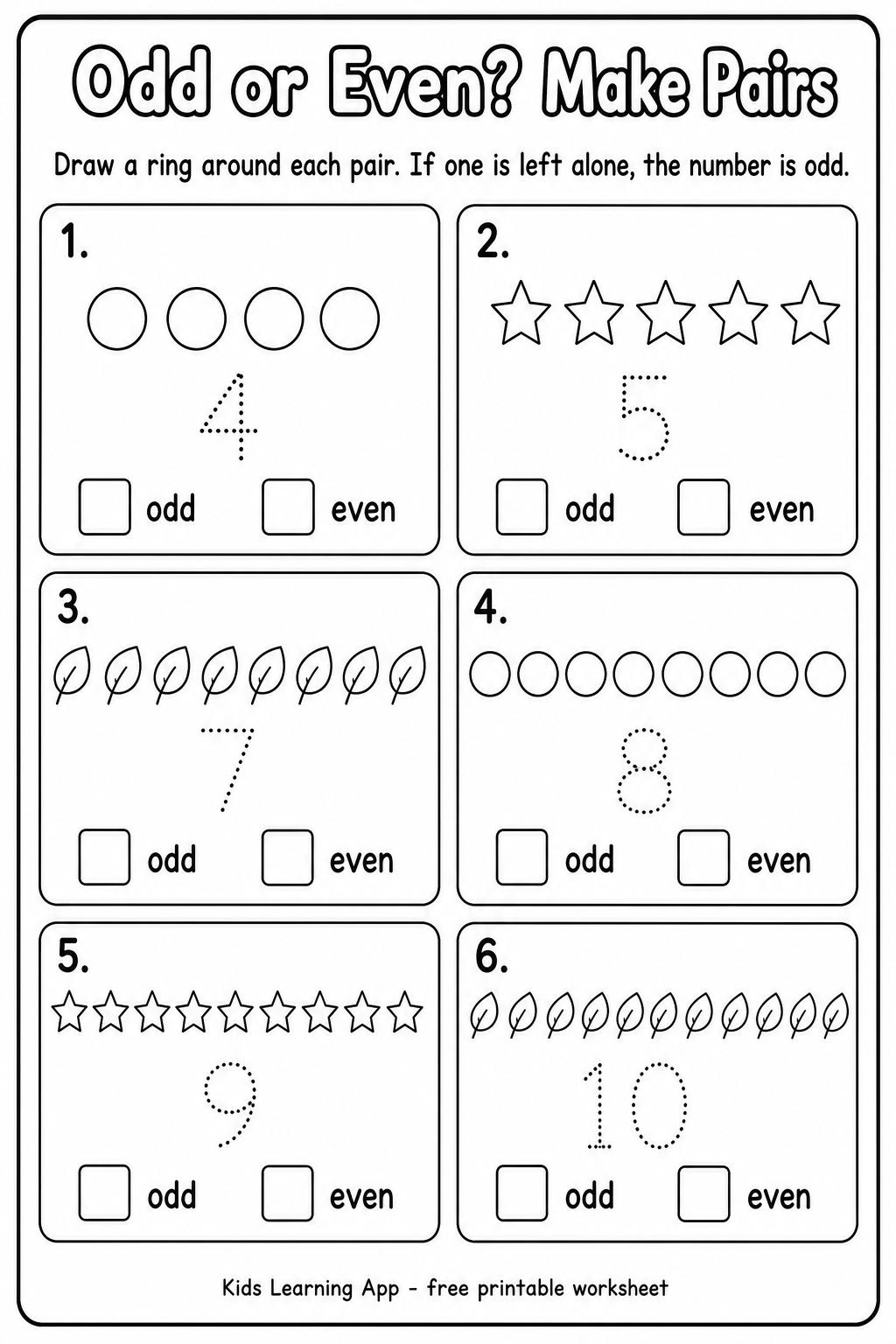 ⭐
Odd and Even Numbers Worksheets for Kids📄 Printable Worksheets · Age 6-8
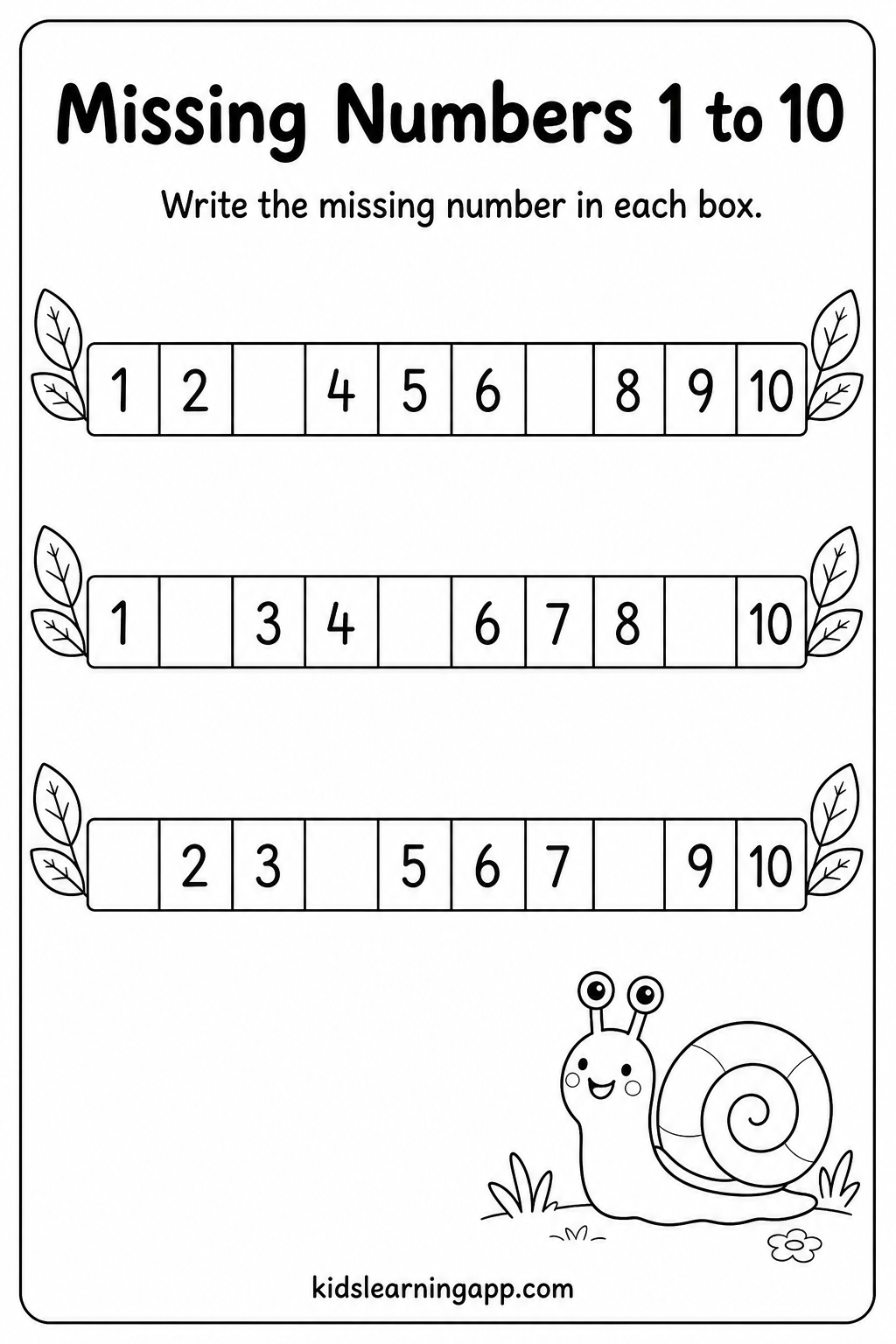 ⭐
Missing Numbers 1 to 20 Worksheets for Kids📄 Printable Worksheets · Age 5-6
Updated 5 Nov 2026